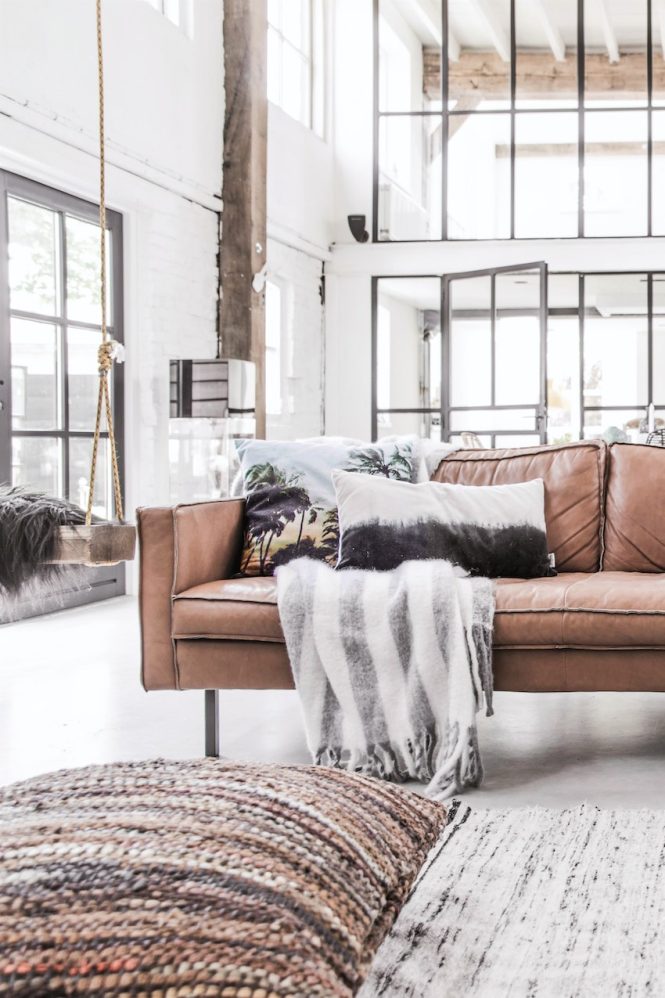
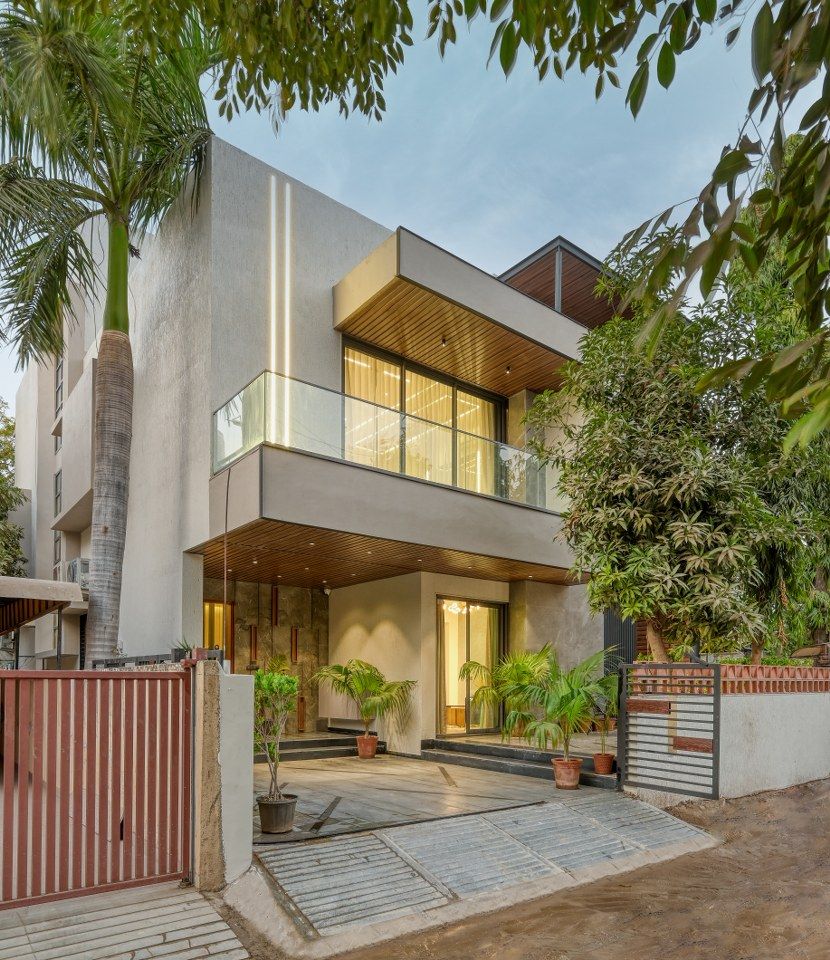
Natural light in modern spaces is paramount to creating inviting and functional living areas. Imagine waking up to the soft glow of the sunrise streaming through your windows, illuminating your space with warmth and vibrancy. This approach goes beyond aesthetics, influencing energy efficiency and fostering a sense of connection with the natural world. This article delves into the nuances of maximizing natural light in modern designs, exploring various strategies and techniques. We’ll tackle the challenges of optimizing natural light, revealing how to transform any modern space from dull to dazzling with abundant natural light. The structure of this article will cover the foundational elements of natural light design, followed by practical strategies for optimizing various spaces. This includes exploring window placement, light control mechanisms, and overall interior design strategies. We will also touch upon the sustainable design implications of this approach.
Understanding the Fundamentals of Natural Light Design
Daylight Factors and Their Importance
Daylight, the primary source of natural light, plays a crucial role in shaping the atmosphere and functionality of a space. The amount of daylight entering a room, influenced by factors such as window size, orientation, and surrounding obstructions, is a key element in achieving optimal interior design. Understanding daylight factors is essential for effective natural light design. Analyzing daylight factors is about understanding how much light can penetrate a space and how to strategically plan for better interior design based on the available light.
Strategic Window Placement
Proper window placement is critical in maximizing natural light. Larger windows are a key to achieving abundant daylight. South-facing windows, for instance, receive the maximum amount of sunlight during the day, making them optimal for maximizing natural light and boosting energy efficiency. Consider the orientation of your space when planning your window placement, ensuring a harmonious balance between the design and available daylight. By understanding sunlight patterns, you can strategically position your windows for maximum benefit. A strategically placed window can transform a space and impact the overall mood of the interior.
The Role of Window Treatments
Window treatments, from curtains and blinds to shutters and shades, can significantly impact how much light enters a space. They can be used to control and regulate the amount of natural light depending on the time of day or need.
For example, sheer curtains can allow a soft, diffused light to fill a room, while heavier drapes can block direct sunlight. The appropriate selection of window treatments can significantly improve your space’s ability to manage natural light.
Optimizing Natural Light in Different Spaces
Maximizing Light in Living Rooms
Living rooms are often the heart of a home, and maximizing natural light in this space can significantly enhance the ambiance and create a welcoming atmosphere. Strategically placing large windows or sliding glass doors can flood the room with natural light. Consider installing skylights or a glass roof to introduce even more light and connect the interior with the outdoors. Large, well-placed mirrors can further amplify light, creating a sense of spaciousness and enhancing the overall mood.
Enhancing Natural Light in Bedrooms
Natural light in bedrooms is crucial for creating a calm and restful atmosphere. By strategically positioning windows, you can allow natural light to gently illuminate the space, promoting a sense of peace and tranquility. Consider using sheer curtains or light-filtering blinds to allow diffused daylight, optimizing the space’s ambiance and creating a calming haven. Natural light can positively impact sleep cycles, reducing the need for artificial lighting.
Utilizing Natural Light in Kitchens
In kitchens, natural light enhances both the functionality and aesthetics of the space. Strategic placement of windows can improve efficiency, reducing the need for overhead lighting during the day. Integrating natural light into the kitchen design enhances the visibility and overall ambiance. This is particularly important in open-concept kitchens, where natural light seamlessly connects different areas of the home.
Sustainable Design Considerations
Energy Efficiency and Natural Light
Integrating natural light into modern spaces has significant energy efficiency benefits. By optimizing natural light intake, homeowners can drastically reduce their reliance on artificial lighting, leading to cost savings and a more sustainable approach to design. Minimizing the need for artificial lighting during the day not only reduces energy bills but also diminishes the environmental footprint. Incorporate larger windows and reflective surfaces to make the most of natural light.
Reducing Carbon Footprint
Utilizing natural light reduces the environmental impact of energy consumption, resulting in a more eco-friendly design. Daylight reduction in the use of artificial lighting minimizes energy usage. This has direct and significant implications for carbon footprint reduction. Implementing sustainable approaches in space design not only reduces costs but also minimizes environmental impact.
Improving Indoor Air Quality
Studies have shown a correlation between natural light and improved indoor air quality. Natural light can promote air circulation, assisting in the removal of pollutants and contributing to a healthier indoor environment. Incorporating natural light into designs promotes air circulation, enhancing air quality and creating a healthier home environment. Open windows and well-placed windows can contribute to better air circulation, increasing the overall health and well-being of occupants.
Integrating Natural Light with Modern Design
Combining Aesthetics and Functionality
Modern design embraces simplicity, elegance, and functionality. Natural light, when skillfully incorporated, complements these design principles. Architects and designers increasingly prioritize the integration of natural light into modern spaces, creating a design synergy that enhances both aesthetic and functional aspects. A key aspect is creating a harmonious balance between interior design principles and daylight optimization.
Maximizing Space with Natural Light
Natural light can significantly impact a space’s perceived size and openness. Large windows and strategically placed skylights create a sense of spaciousness and connectivity to the surrounding environment. This effect is amplified by incorporating reflective surfaces and light-colored walls. Designing for ample natural light is a great way to make any space feel more spacious, bright, and inviting.
Creating a Connection with Nature
Natural light not only enhances the aesthetics of a space but also fosters a stronger connection with the natural world. Bringing the outdoors in through the careful use of natural light creates a sense of tranquility and wellbeing. By integrating these principles, homeowners and interior designers can create spaces that reflect the beauty of nature and inspire feelings of calm and serenity.
Practical Strategies for Maximizing Natural Light
Optimizing Window Placement and Size
The correct placement and sizing of windows are crucial for maximizing natural light. South-facing windows generally receive the most direct sunlight throughout the day, maximizing the benefits of daylight. Large windows are essential for filling a space with light. Consider the position of windows relative to sunlight patterns and surrounding obstacles. The size and position of windows dictate the amount of daylight that enters a space, making it crucial to account for this factor in your design.
Using Reflective Surfaces
Strategically placed mirrors and light-colored walls can effectively reflect and diffuse natural light throughout a room. Mirrored walls or strategically placed mirrors amplify natural light, creating an illusion of more space and brightness. Incorporating reflective surfaces can significantly alter a room’s perceived brightness and enhance the use of natural light.
Choosing Energy-Efficient Windows
Choosing energy-efficient windows is crucial for optimizing natural light while also reducing energy consumption. Consider the types of glass and their insulation properties when selecting windows for your space. Selecting the correct windows is not only about allowing natural light in, but also reducing energy loss, making it an important part of the decision-making process.
Common Mistakes to Avoid
Neglecting Window Placement
One common mistake is overlooking the placement of windows. This can result in rooms receiving insufficient or poorly-distributed natural light. Carefully consider the direction, size, and arrangement of windows to maximize natural light, both in function and aesthetic appeal. Insufficient natural light can reduce the overall comfort and ambiance of a room.
Ignoring Window Treatments
Improper use of window treatments can hinder the benefits of natural light. Choosing the right blinds, curtains, or shades is crucial for adjusting light levels and controlling the warmth.
Underestimating the Role of Reflective Surfaces
Underestimating the potential of reflective surfaces can lead to missed opportunities to maximize natural light. Strategically placed mirrors and light-colored walls can dramatically impact a room’s illumination.
Case Studies of Natural Light Integration in Modern Homes
Project A: Optimizing a Modern Loft Apartment
In this project, the designers strategically placed a large south-facing window to maximize daylight. A combination of sheer curtains and reflective surfaces was used to bounce and diffuse the light throughout the apartment. This design dramatically reduced the need for artificial lighting.
Project B: Enhancing Natural Light in a Contemporary House
This case involved adding skylights to maximize the natural light in the house’s interior spaces. The addition of skylights and light-colored flooring created a bright and airy feel, improving the overall ambiance.
Conclusion of Natural Light in Modern Spaces
References and Further Reading
FAQ
What are the key design considerations when maximizing natural light in a modern home?
Key design considerations include strategic window placement, efficient window treatments, and the appropriate use of reflective surfaces. Consider the orientation of your building and how natural light will impact different rooms throughout the day. Careful planning and design are crucial for harnessing the full potential of natural light.
How can homeowners incorporate sustainable design principles when maximizing natural light?
By choosing energy-efficient windows, minimizing artificial light use during the day, and integrating plants and sustainable materials, homeowners can integrate sustainable design principles. Consider the environmental impact of your choices and look for products and designs that reduce the carbon footprint of your home.
In conclusion, maximizing natural light in modern spaces is a significant design consideration impacting aesthetics, energy efficiency, and overall well-being. By understanding the principles of natural light, implementing strategic design solutions, and considering sustainable practices, homeowners and designers can create spaces that are both visually appealing and environmentally friendly. Embrace the power of natural light to enhance your modern living experience. For personalized guidance, consider consulting with a design professional.