
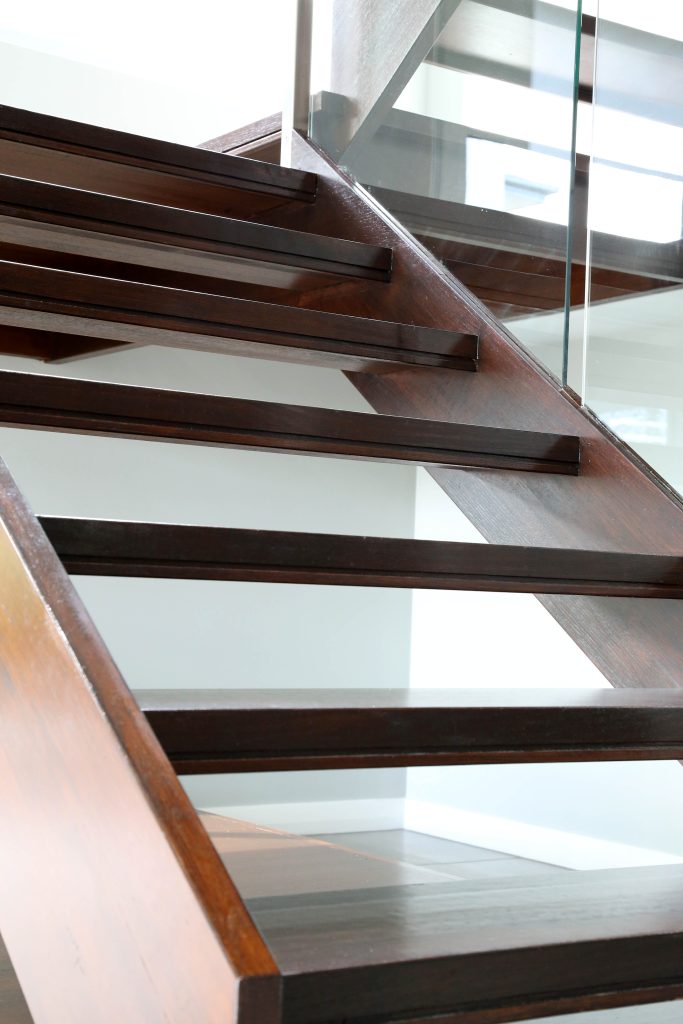
Classic staircases are architectural marvels, transcending mere functionality to become captivating focal points in any space. From intricate details to grand proportions, these structures embody a legacy of design and craftsmanship. This article delves into the world of classic staircases, exploring their history, design elements, and practical applications in modern homes and commercial spaces. We’ll also discuss common renovation issues, and offer practical solutions for incorporating these majestic structures into your projects. Throughout this exploration, we’ll provide insights to assist you in choosing, renovating or creating your own stunning staircase.
Unveiling the Historical Significance of Classic Staircases
Early Influences:
Classic staircases weren’t born overnight. Their evolution is deeply rooted in historical architectural styles. Early examples, often found in castles and grand estates, showcase the craftsmanship and social status of the era. These structures were intricately carved, featuring elaborate handrails, balusters, and risers that reflected the prevailing aesthetic of the time. For example, Italian Renaissance staircases often featured ornate curves and flowing lines, while French Baroque designs frequently employed sweeping curves and mirrored symmetry. This rich history adds immense value to classic staircases, transforming them into more than just an element of a home; they are part of a larger narrative, reflecting the architectural trends and social conventions of their time. From the grandeur of Victorian homes to the elegance of Georgian mansions, each style embodies the era in which it was created.
The Impact of Artistic Movements:
The evolution of classic staircases reflects shifts in artistic movements across centuries. The Renaissance, with its emphasis on humanism and classical ideals, saw a resurgence of interest in classical architecture, resulting in elaborate and symmetrical staircases. Later periods, such as the Baroque and Rococo, brought their own stylistic flourishes, such as ornate carvings and luxurious materials. Understanding the influence of these periods is key to recognizing the stylistic nuances of different classic staircases. This allows you to appreciate the depth of artistry and engineering involved, turning them into a testament to the beauty of human ingenuity.
Essential Design Elements of Classic Staircases
Materials and Craftsmanship:
The choice of materials significantly impacts the aesthetic and longevity of a classic staircase. High-quality woods like oak, mahogany, and walnut are frequently used, exhibiting natural beauty and durability. Stone, marble, or metal can also be incorporated to enhance the sophistication and grandeur of the staircase. The intricate craftsmanship evident in classic staircases often involves hand-carved details, meticulously designed balusters, and elegant handrails. The craftsmanship required to create these details showcases the dedication to quality that defines classic staircases. These elements often make the staircase a statement piece for the entire house.
Geometry and Proportions:
The balance between symmetry, asymmetry, and proportion is crucial in the design of a classic staircase. Architects often strive to create a harmonious relationship between the staircase and the surrounding space, ensuring it complements rather than overpowers the environment. The curvature of the stairs, the height of the risers, the tread width, and the overall design must fit the room’s dimensions. This attention to detail, coupled with the use of appropriate materials, creates the sense of grandeur and sophistication that defines classic staircases. An example is the use of a central or focal point within the staircase’s design, drawing the eye and enhancing the overall aesthetic.
Renovation Considerations for Classic Staircases
Preservation vs Modernization:
When renovating a home with a classic staircase, one faces the challenging dilemma of preservation vs. modernization. Preserving original features, maintaining the historical integrity, and updating the design for modern use can be a difficult balance to strike. This is because modern requirements and lifestyles sometimes clash with traditional architectural features. Careful consideration, including consulting with experts and understanding the specific requirements of the staircase is critical for successful modernization without compromising the historical integrity.
Addressing Structural Issues:
Classic staircases, especially those built decades ago, can sometimes suffer from structural problems. These problems include deteriorated supports, loose treads, or worn-out handrails. Addressing these issues requires a thorough assessment by a structural engineer to identify potential risks and develop a renovation plan that strengthens the staircase. Careful evaluation and attention to detail are required to avoid any safety hazards.
Incorporating Modernity into Classic Designs
Blending Classic with Contemporary:
Modern homeowners frequently seek to integrate contemporary design elements into their classic staircases. This involves selecting modern materials and finishes that complement, rather than compete with, the architectural grandeur of the staircase. Consider painting the walls with neutral shades to allow the staircase’s rich wood tones to stand out or the selection of contemporary lighting schemes to elevate the space without detracting from the aesthetic value of the classic staircase.
Updating Functionality:
While preserving the beauty of classic staircases, modernizing their functionality is equally important. Adding features like built-in storage solutions or integrated lighting can not only enhance the staircase’s usability but also provide a fresh take on this architectural element.
Classic Staircases in Contemporary Settings
Adapting for Modern Living:
Classic staircases, with their inherent elegance, can work seamlessly in contemporary environments, providing a timeless counterpoint to modern furnishings and decor. By carefully integrating design elements and selecting appropriate materials, these staircases can continue to shine in the contemporary design landscape. The rich history and craftsmanship of a classic staircase can be appreciated even in modern environments, providing a striking contrast to modern furnishings.
Case Studies and Examples:
Numerous examples exist where classic staircases have been successfully integrated into contemporary homes. The key is to approach the integration with careful attention to architectural context, and maintain a balance between the elements of a classic staircase and modern living. The preservation of the original architectural characteristics and the use of neutral colours can successfully integrate such a classic staircase with a modern design. For instance, one could think of a contemporary house or an apartment building in a modern city where a classic staircase is incorporated into the design with a blend of elegance, durability and functionality.
In conclusion, classic staircases are more than just functional elements; they are architectural statements that add character, value, and timeless elegance to any home or building. Understanding their historical context, design principles, and the impact they have on overall aesthetics empowers you to appreciate and potentially integrate them into your own projects. If you’re planning renovations or new construction, consider incorporating classic staircase designs for a truly rewarding and enduring result. Learn more about stair design and renovation tips by visiting our website.