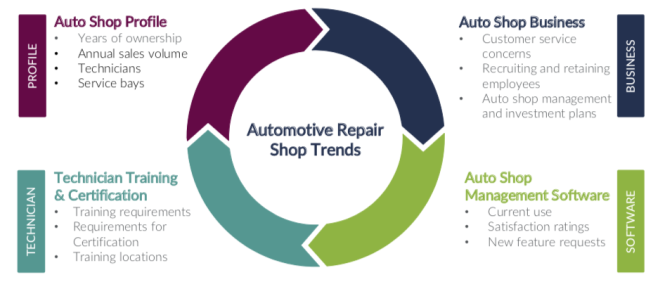

Repair trends are reshaping the industry, demanding businesses to adapt and innovate to stay competitive. This article explores the significant repair trends impacting businesses today, emphasizing the critical need for preventative maintenance, digital advancements, and a strong commitment to sustainability. We’ll discuss the challenges faced by repair professionals and offer practical solutions for thriving in this evolving sector. This article will outline the key trends and provide actionable advice to navigate the future of repair. We will explore preventative maintenance strategies, the role of technology in modern repair shops, and the emergence of sustainable practices. Each segment will be accompanied by real-world examples and potential strategies for incorporating these trends into your business.
The Rise of Preventative Maintenance in Repair Services
Proactive Measures for Enhanced Customer Satisfaction
The repair industry is shifting from reactive to proactive approaches. Customers increasingly value preventative maintenance as a means to avoid costly repairs down the road. Many repair shops are now offering preventative maintenance packages, which include routine inspections and services designed to extend the lifespan of equipment and reduce unexpected breakdowns. This proactive approach often translates into stronger customer relationships built on trust and reliability. For example, consider a local appliance repair shop that now offers annual check-ups for refrigerators and dishwashers. They found that customers not only appreciated the peace of mind, but also saw a decrease in emergency repair requests, which leads to increased revenue and happier customers.
Data-Driven Strategies for Predictive Maintenance
Businesses are increasingly leveraging data analytics to predict potential equipment failures. Analyzing historical maintenance records and real-time sensor data from devices can help anticipate maintenance needs. This predictive approach reduces downtime, optimizes resource allocation, and minimizes the need for costly, reactive repairs. Studies have shown that predictive maintenance can reduce maintenance costs by up to 20% while enhancing operational efficiency. A manufacturing company in the automotive industry used sensor data to predict potential engine failures, allowing them to schedule maintenance proactively and avoid costly factory shutdowns. This resulted in significant savings and increased production output.
Embracing Technology for Enhanced Efficiency
Digital Tools for Streamlined Operations
Digital tools are transforming how repair businesses operate, from scheduling appointments to tracking parts inventory. Repair shops that utilize these technologies often experience increased efficiency and productivity. Software solutions simplify administrative tasks and optimize scheduling. Integrated inventory management systems ensure parts are readily available when needed, further reducing downtime. Consider a small plumbing company that integrated a cloud-based scheduling platform; their customer service improved dramatically thanks to streamlined scheduling and better communication. This led to increased customer satisfaction and a noticeable rise in repeat business.
Mobile Repair Solutions for Improved Accessibility
The mobile repair concept is gaining traction. This approach provides on-site service, improving convenience and accessibility for clients. Mobile repair solutions are particularly beneficial for hard-to-reach locations or time-sensitive repairs. A significant advantage is the adaptability it offers when servicing clients in their homes or workplaces, which can be a major factor in increased customer satisfaction.
The Importance of Online Presence
Nowadays an online presence is crucial to reach a larger customer base and establish trust. Repair shops with an active online presence have a higher chance of attracting new clients. This involves having a professional website, active social media engagement, and potentially even a mobile-first approach to online presence. This strategic approach to online communication fosters trust and positions the company as a reliable service provider.
Sustainability in the Repair Industry
Eco-Friendly Practices for a Greener Future
Repair businesses are embracing sustainability in their daily operations. Consumers are increasingly seeking eco-friendly repair solutions. This trend is impacting how companies source materials, handle waste, and approach repair processes. A growing concern is the environmental impact of new product purchases, leading customers to prefer repair over replacement. For instance, an electronics repair store is now using recycled materials and implementing waste reduction strategies within their repair process. This approach not only appeals to environmentally conscious customers but also positively impacts their business by lowering operational costs and enhancing their reputation.
Responsible Materials Sourcing for Environmental Impact
Businesses can minimize their environmental impact by sourcing materials responsibly, working with suppliers who prioritize sustainable practices. Choosing recycled or repurposed components can reduce their carbon footprint. Many repair companies are implementing these practices to gain market share and attract customers who value environmentally friendly services. For example, an appliance repair company partnered with a local sustainable materials supplier to source eco-friendly parts, attracting customers concerned about environmental impact.
Recycling and Waste Reduction Practices
Implementing comprehensive recycling and waste reduction programs is essential to promote sustainability. Repair shops can also collaborate with local recycling centers to properly handle electronic waste and other potentially harmful materials. Partnering with local recycling facilities has become an integral part of responsible repair practices.
The Impact of AI and Machine Learning on Repair Services
Optimizing Repair Processes Using AI
Artificial intelligence (AI) is being used to enhance repair efficiency and accuracy. AI-powered systems can provide real-time diagnostic support, streamlining the repair process. AI can analyze vast amounts of data and recommend the best repair options, reducing the risk of errors. An automotive repair shop started integrating AI into its diagnostic system, leading to a significant decrease in repair time and improved accuracy in diagnoses. This directly impacted the shop’s profitability and customer satisfaction.
Personalized Repair Solutions with Machine Learning
Machine learning (ML) can provide personalized recommendations based on individual client needs. Analyzing past customer data allows for tailored repair solutions, improving overall customer satisfaction. A furniture repair shop used ML to predict customer preferences and tailor their repair services, resulting in increased customer engagement and loyalty.
Advanced Diagnostic Tools and Data Analysis
Advanced diagnostic tools, coupled with detailed data analysis, help streamline repair procedures and identify potential issues before they lead to more expensive and complex repairs.
The Changing Role of the Repair Technician
Skills Gap and Training Requirements
The increasing complexity of modern equipment necessitates upskilling for repair technicians. To maintain competitiveness, repair shops need to focus on continuous training and skill development for their technicians. Specialized training programs, apprenticeships, or workshops are important investments for attracting and retaining talented personnel. An HVAC repair company began offering specialized training courses to its technicians to equip them with the knowledge and skills necessary to repair newer, more sophisticated equipment. This has resulted in increased efficiency and enhanced customer satisfaction.
Adapting to New Technologies
Keeping up with new technological advancements in the repair industry is critical. This requires continuous training and development for repair technicians. Repair technicians need to be proficient in using various tools, software, and diagnostic equipment. Repair technicians are now responsible for not only fixing appliances but also diagnosing the root cause of the problem, using sophisticated diagnostic tools, and often working with complex systems.
Importance of Customer Service and Communication Skills
Excellent customer service and clear communication skills remain vital in the repair industry. Technicians need to effectively communicate repair options and timelines to clients, ensuring transparency and building trust. Many successful repair companies have invested in training programs for their technicians, emphasizing both technical skills and effective communication techniques.
Frequently Asked Questions
What are the biggest repair trends impacting businesses today?
The biggest trends include shifting from reactive to proactive maintenance, leveraging digital tools, embracing sustainability practices, and adapting to new technologies like AI and machine learning. These trends address the need for increased efficiency, reduced costs, enhanced customer satisfaction, and a greater focus on environmental responsibility in the repair sector. These are critical for businesses to thrive in a competitive and rapidly evolving market.
How can I implement these repair trends in my business?
Start by identifying areas within your business where you can incorporate preventative maintenance. Invest in digital tools to streamline your operations, like scheduling software and inventory management systems. Evaluate your environmental impact by exploring eco-friendly repair practices and sourcing materials responsibly. Assess how you can adopt AI or machine learning tools, for example, using diagnostic software or ML for predicting equipment failures. These steps can help your business gain a significant competitive advantage and provide a greater value proposition for your customers.
In conclusion, understanding repair trends is crucial for staying competitive and adapting to evolving customer needs. By focusing on preventative maintenance, embracing digital technologies, and prioritizing sustainability, businesses can position themselves for long-term success in the repair industry. To discover how these trends can benefit your specific repair business, explore our resources and schedule a consultation today!