Blending classic design with modern styles is a fantastic way to create a home that feels both timeless and trendy. It’s about finding the perfect harmony between traditional elements and contemporary aesthetics, resulting in a space that’s uniquely yours. Many homeowners struggle to achieve this balance; they may find the transition too daunting, or are unsure of how to integrate elements without overwhelming the room’s visual appeal. This comprehensive guide provides a roadmap for seamlessly merging classic and modern design elements. We’ll explore various strategies and offer practical examples to help you create a beautiful and inviting living space that reflects your personal taste. This article will be divided into sections focusing on selecting the right color palettes, incorporating historical design elements, and utilizing modern accessories to create a unified aesthetic.
Selecting Harmonious Color Palettes
Understanding Color Theory
Color plays a crucial role in establishing the overall mood and aesthetic of a room. A well-chosen color palette can seamlessly connect classic and modern elements. Classic designs often feature sophisticated color schemes with muted tones, while modern styles embrace bolder hues and vibrant accents. The key is to find a balance that doesn’t clash but complements each other. This can be achieved through subtle color gradients or by strategically introducing contrasting accents. Understanding the principles of color theory – such as analogous colors, complementary colors, and triadic colors – is fundamental to creating a harmonious aesthetic. These concepts allow you to easily select palettes that evoke feelings of tranquility and modern sophistication.
Incorporating Neutral Tones
Neutral colors like cream, beige, gray, and white form the foundation of many classic styles, providing a backdrop for showcasing modern elements with boldness. Combining these neutral tones with a touch of jewel-toned accents or striking modern artworks is a winning combination. Consider the mood you want to cultivate—is it calm and serene, or vibrant and energetic? Understanding the function of each room will aid in selecting the right palette. For a master bedroom, consider a calmer palette, while a family room could embrace a more dynamic approach.
Incorporating Historical Design Elements
Classic Architectural Details
Incorporating elements of classic architecture, like intricate moldings, crown molding, or decorative fireplaces, can seamlessly introduce historical charm. Modern styles can be enhanced by embracing these features. A simple, yet impactful way to do this is to use subtle moldings that create depth and dimension. Integrating such features effectively can create a unique balance, where the room looks as if it’s organically blended through the ages.
Using Traditional Furniture Pieces
Think about incorporating solid wood furniture pieces that are characteristic of classic design. These pieces offer enduring style and robust quality. Combine them with sleek modern lighting or contemporary fabrics for a striking visual contrast. This creates a striking blend of traditional craftsmanship and contemporary elegance.
Utilizing Modern Accessories
Integrating Modern Lighting Fixtures
Modern lighting fixtures can effectively enhance a classic design. Recessed lighting, contemporary pendants, or statement chandeliers can effortlessly blend with antique furniture or traditional wallpapers, creating a cohesive and contemporary aesthetic. For example, a beautifully crafted pendant light over a dining table can dramatically elevate the look of the room, seamlessly bringing together the old and new worlds.
Incorporating Contemporary Fabrics
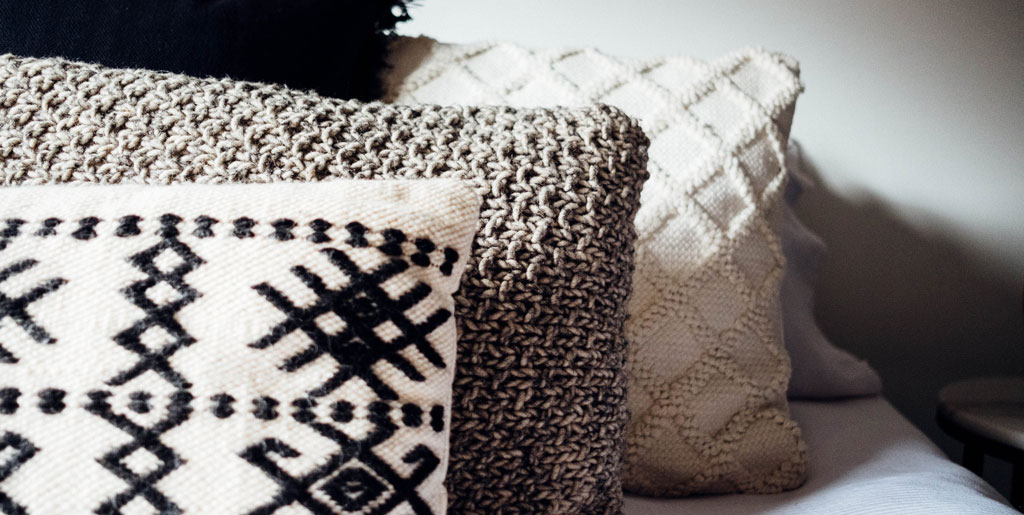
Using vibrant modern fabrics is a powerful way to modernize a space. Introduce textiles with geometric patterns, bold colors, or unusual textures, and pair them with classic furniture for a visually interesting contrast. This can help to modernize a classic living room or update a historic dining area.
Creating a Unified Aesthetic
Maintaining a Balanced Ratio
Maintaining a balanced ratio between classic and modern elements is vital. Avoid overwhelming the space. If you incorporate lots of modern items, balance them out with at least one or two classic elements. This way, the design stays harmonious and aesthetically balanced, creating a look that works for years to come.
Using Furniture as a Focal Point
Using furniture as a focal point can create a captivating focal point for your living room. A bold statement piece, like a sectional sofa or a luxurious armchair, can draw attention without compromising your classic aesthetic. Combining bold pieces with classic details can be a winning strategy to bring classic and modern features together.
Example: A Transitional Living Room
Combining Elements for a Cohesive Look
Imagine a living room with a classic fireplace, adorned with an antique mantelpiece. Pair it with a contemporary sectional sofa and a modern coffee table. Accent the space with strategically placed plants in stylish modern planters, and use patterned area rugs to add a pop of color and visual interest. This exemplifies how you can seamlessly blend classic and modern design elements, allowing for a warm and welcoming living room.
Frequently Asked Questions:
What are the key steps to blending classic and modern design?
Blending classic and modern design involves carefully selecting color palettes that complement each other. Incorporate historical design elements such as moldings, traditional furniture, and carefully choose modern accessories like lighting and fabrics that do not overwhelm the room, but create a balanced, harmonious look.
How can I ensure the blend looks cohesive and not mismatched?
Maintain a balanced ratio between classic and modern elements. Avoid overwhelming the space by carefully integrating each style. A designer can provide a detailed approach tailored to the specific style you envision. You can also get inspiration from online resources, design magazines and catalogs. This will help ensure your blend looks cohesive and sophisticated, not jarring and unbalanced.
In conclusion, blending classic and modern design styles is a powerful strategy for creating spaces that are both timeless and trendy. By understanding the principles of each style, and thoughtfully integrating elements of both, you can create a unique and sophisticated living space. We encourage you to experiment, embrace your personal taste, and most importantly, have fun with the process! Dive into a project that reflects your personality and lifestyle, and don’t hesitate to contact a designer for personalized advice. They can offer invaluable insights and ensure a cohesive aesthetic.