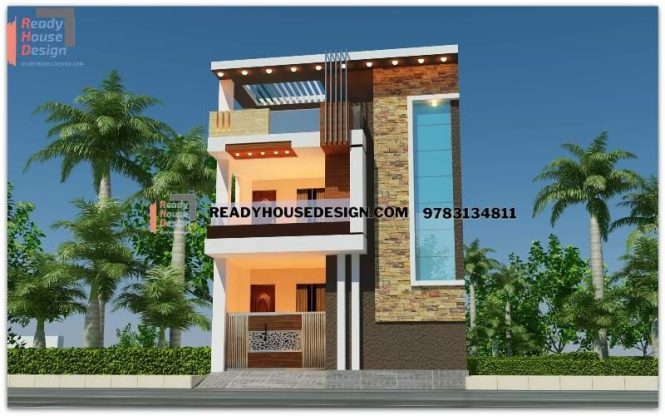
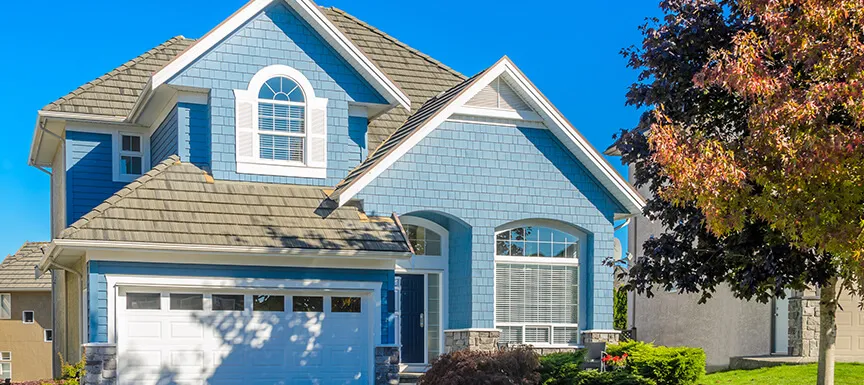
The impact of texture on exterior design is undeniable. A thoughtfully chosen exterior texture can completely transform a house’s aesthetic and overall appeal. Imagine a home that isn’t just functional but visually captivating, standing out from the neighborhood. This article will delve into the fascinating world of exterior textures, exploring how different materials and patterns contribute to a home’s unique character. We’ll examine the role of texture in creating a visually striking facade, improving durability, and increasing curb appeal. We’ll also touch on the practical considerations, and discuss how to seamlessly blend texture with architectural style for optimal results.
Understanding the Importance of Texture in Exterior Design
Defining Exterior Texture
Exterior texture refers to the surface quality of a building’s facade. It encompasses the visual and tactile characteristics of materials used in the construction and decoration of the exterior of a home. From the rough grain of wood to the smooth surface of stucco, texture plays a pivotal role in the overall aesthetics and practicality of a building. This is where the choices we make in selecting materials for our home’s outer shell make or break its appeal.
Material Choices and Their Impact on Texture
Wood, Stone, and Concrete: Examples of Robust Choices
Wood, stone, and concrete are three building materials renowned for their diverse textural qualities. Wood, with its inherent warmth and natural grain, creates a visually appealing and welcoming exterior. Stone, with its enduring strength and varied textures, offers a timeless and stately look. Concrete, a versatile material, can be molded into diverse forms, allowing for creative texture variations. Choosing the right material is key to achieving the desired aesthetic.
Creating Visual Interest with Texture Patterns
Pattern Variations for a Dynamic Exterior
Beyond the inherent texture of a material, deliberate patterns can further enhance the visual impact of an exterior. Pattern variations can be achieved through different techniques in construction, such as varied laying patterns of brick or stone. By using textures in an innovative design, you elevate curb appeal, making a space more captivating and desirable. For example, staggered patterns of brick can create a sense of depth and dimension that traditional layouts lack.
The Role of Texture in Enhancing Durability
How Texture Protects Against the Elements
The right choice of texture can also significantly improve the durability of an exterior. Materials like brick or stone, with their naturally rugged surfaces, offer resistance to weathering and erosion, while smooth surfaces may require more maintenance due to the greater surface area for moisture absorption.
Integrating Texture with Architectural Style
Creating a Seamless Blend
When selecting textures, the architectural style of the home must be taken into consideration. For a rustic-style home, a wooden exterior with exposed beams might be ideal. For a contemporary design, smooth stucco or metal panels could create the right mood. A consistent and purposeful integration of texture into the overall architectural style is key to creating a cohesive and impactful exterior design.
Frequently Asked Questions
What are the best materials for creating a textured exterior?
Different materials offer unique textures, and the best choice depends on the desired aesthetic, budget, and maintenance needs. Consider using stone or brick for a rustic look, wood for warmth, or stucco for a smoother, more modern feel. Each option offers its own strengths and considerations. Carefully weigh the long-term implications of each choice when making decisions for your home’s exterior.
How does texture impact the curb appeal of a home?
A well-considered texture scheme can significantly boost a home’s curb appeal. It can make the home stand out in a neighborhood or area. The right texture choices can add warmth, visual interest, and longevity, making it a more beautiful, inviting, and enduring architectural masterpiece. A textured facade immediately attracts attention, prompting potential buyers or guests to take notice of your home’s design. With careful consideration, texture can enhance the appeal of your home.
In conclusion, the impact of texture on exterior design is profound, influencing both the aesthetic appeal and the practicality of a home. By carefully considering texture choices, homeowners can create a unique exterior that reflects their personal style and enhances the overall visual appeal. Employing the right techniques and materials, homeowners can also improve the durability and longevity of their exterior. Understanding the diverse range of textures available empowers you to make informed decisions, ultimately leading to a more beautiful and enduring exterior. Explore the world of textures for exterior design today and transform your home into a stunning architectural masterpiece! Visit our website for more resources and design inspirations!