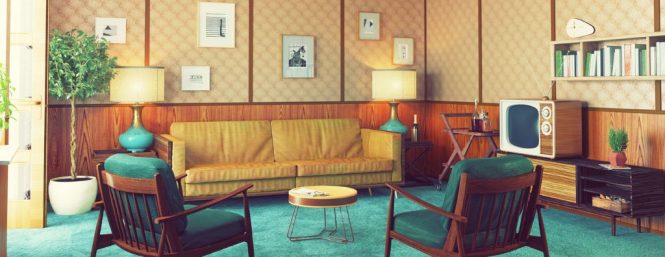
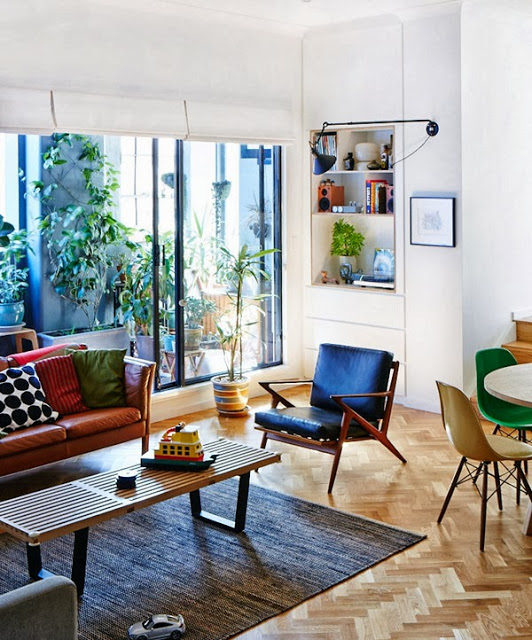
Dive into the captivating world of Mid-Century Modern Design, a style that effortlessly blends vintage appeal with contemporary practicality. This design aesthetic, marked by its distinctive forms and bold colors, has experienced a resurgence in popularity, offering homeowners a unique opportunity to infuse their spaces with personality and charisma. Many homeowners struggle to balance the nostalgic appeal of vintage elements with modern comfort and functionality. This article will explore how to successfully navigate this balance and create a truly stunning space. We will cover everything from understanding the core principles of Mid-Century Modern Design to practical tips and inspiration for bringing this style to your home. We’ll also address common challenges and offer solutions to help you achieve the desired look.
Understanding the Core Principles of Mid-Century Modern Design
Defining Mid-Century Modern
Mid-Century Modern Design, a design movement that flourished in the mid-20th century, balances the beauty of classic aesthetics with functional design. It draws inspiration from a variety of sources, including Bauhaus design, Art Deco influences, and the desire for streamlined simplicity. This design is characterized by clean lines, geometric shapes, and neutral color palettes, but also boasts an adventurous use of bold, unexpected colors.
Key Elements
Several elements define this style. The emphasis on functionality is paramount, coupled with an aesthetic focus on the use of natural materials like wood and leather. Sculptural elements play a crucial role in creating visual interest. Open floor plans and well-designed spaces are hallmarks of this style, allowing for better flow between areas. The use of bold colors and geometric patterns adds a pop of character.
Addressing Common Challenges
Many homeowners find it challenging to balance vintage aesthetics with modern functionality. Finding furniture pieces that both evoke the past and meet modern needs can be a stumbling block. Another challenge is choosing color palettes that achieve the desired aesthetic impact. Finding a balance between the use of bold color accents without overwhelming the space is key.
Incorporating Mid-Century Modern into Your Home
Choosing the Right Furniture
Finding furniture pieces that embody the essence of Mid-Century Modern requires careful consideration of both aesthetics and functionality. Sleek silhouettes, bold forms, and a combination of materials like chrome, wood, and leather are integral elements. Consider using vintage pieces, but adapt to modern living to create a balance.
Creating a Color Palette
Mid-Century Modern design frequently features a muted color palette with a touch of boldness. Neutral colors like beige, gray, and cream form the foundation, while pops of brighter colors, such as burnt orange, deep teal, or turquoise, can add vibrancy and character. Experiment with different hues and shades to find the perfect balance that complements your personal style.
Utilizing Geometric Shapes and Patterns
Geometric patterns and shapes frequently play a crucial role in Mid-Century Modern design. Look to incorporate patterns like stripes or bold geometric prints, but use them strategically to create visual interest without overwhelming the space.
Creating a Space with Character
Accessorizing for a Bold Aesthetic
Accessories are essential to enhance the Mid-Century Modern aesthetic. Look for decorative objects that complement the space’s overall personality without being overly flashy. Introduce artwork that echoes the design’s emphasis on clean lines, vibrant colors, or bold geometric patterns. Use lamps, trays, and other decorative pieces to accentuate the design elements.
Incorporating Natural Elements
Bringing natural elements into the space is another crucial way to enhance a Mid-Century Modern aesthetic. Use natural materials like wood, stone, and leather to evoke a sense of warmth and groundedness. Consider introducing plants to add a touch of life and vibrancy.
Maintaining Functionality
While Mid-Century Modern celebrates a vintage aesthetic, maintaining functionality is key. Think about how your furniture and design choices enhance the everyday usability of your space. For example, furniture pieces with hidden storage can greatly contribute to the practical functionality of a room without losing the design’s visual appeal.
Inspiration for Mid-Century Modern Homes
Case Studies
Numerous interior design projects demonstrate the versatility of Mid-Century Modern. Explore projects that feature open-plan living areas and incorporate distinctive furniture elements. Look for inspiring examples that blend vintage furniture with modern accessories to illustrate the practical integration of style.
Architectural Marvels
Take note of examples of famous homes and apartment buildings from the 1950s and 60s. Analyze the unique use of space and the ways in which bold colors and textures were utilized to create visually stunning and functional spaces. Research famous architects of the era to glean insights into their design philosophies.
Trend Analysis
The Mid-Century Modern design movement continues to inspire new design trends. Explore recent design trends that draw inspiration from vintage or retro aesthetics to see how the style is being adapted.
FAQs on Mid-Century Modern Design
What are the key features of mid-century modern design?
Mid-Century Modern design features clean lines, simple silhouettes, and a blend of vintage and modern elements. These designs often use a combination of natural materials and bold color palettes to create a captivating and functional space. The movement draws from a variety of aesthetic sources that prioritize the use of space, light, and architectural elements. Key features include the use of wood, leather, and chrome, while incorporating bright, unexpected colors. The goal is functionality and beauty, often in open floor plans.
How do I successfully incorporate Mid-Century Modern elements into my home?
Start by selecting a few key pieces that reflect the design style, such as a vintage sofa or coffee table. Carefully consider your existing furniture and décor and choose pieces that complement those elements. Introduce natural elements like plants and incorporate geometric patterns. Use bold colors strategically to add a pop of character to the space without overwhelming the room. Think about your existing color palette and how the Mid-Century Modern elements fit into that scheme.
What are the key features of mid-century modern design?
How do I successfully incorporate Mid-Century Modern elements into my home?
What are some common challenges in implementing Mid-Century Modern design?
What are some examples of Mid-Century Modern design in architecture?
In conclusion, embracing Mid-Century Modern design offers a unique blend of timeless aesthetics and contemporary practicality. Whether you’re a seasoned interior designer or a homeowner looking for inspiration, understanding the key elements and principles of this design style can revitalize any space. The retro-chic allure, combined with the focus on functionality and simplicity, creates a captivating atmosphere.
Ready to transform your home into a Mid-Century Modern masterpiece? Explore our curated collection of inspiration and resources for personalized design.
Dive deeper into the world of Mid-Century Modern Design and unlock your creative potential by exploring the links below!