Lighting repairs are crucial for maintaining the functionality and safety of homes and businesses. Whether it’s a flickering light, a blown bulb, or a complete system failure, knowing how to address these issues is essential. This comprehensive guide delves into the intricacies of lighting repairs, focusing on fixtures and wiring. We’ll explore common problems, provide troubleshooting steps, and discuss best practices for preventing future issues. This article will cover different types of lighting fixtures, common wiring problems, and expert repair techniques.
Understanding the Importance of Proper Lighting Repairs
Identifying Common Lighting Problems
Many homeowners and business owners face a range of lighting issues. Some typical problems include flickering lights, sudden outages, and a complete failure of the system. These issues are not only inconvenient but can also pose a safety hazard, especially in areas with wet or damp conditions. Prompt attention to these problems prevents further damage and electrical dangers. Unresolved issues can lead to more complex (and expensive) repairs later. Fixing the root cause is often more cost-effective than enduring intermittent issues.
Why Professional Lighting Repairs Are Necessary
DIY attempts can often worsen the situation, leading to even greater expenses and safety risks. Working with faulty wiring or damaged fixtures poses a significant threat of electrical shocks, fires, and injuries. The complexity of modern lighting systems often requires the skills and knowledge of a trained electrician. Electrical codes and safety regulations dictate the appropriate standards for lighting installations. Improper repairs can render any warranty invalid and can impact the value of your property.
Troubleshooting Lighting Fixtures
Assessing Fixture Damage
Common damage in light fixtures ranges from loose connections to broken parts, such as globes or lamp holders. Careful visual inspections are essential for pinpointing the root cause. Look for discolored wiring, frayed insulation, or damaged connections. If you identify any of these, seek immediate professional assistance. If there are obvious signs of damage, the issue likely requires more than just a simple replacement. A professional electrician will have the tools and experience to assess and repair the situation correctly.
Fixture Replacement Strategies
Replacing a fixture can be a significant undertaking, especially in older homes or complex installations. Matching a new fixture to the existing wiring and the design of the space is critical. Modern fixtures often use LEDs or other energy-efficient technologies. Consider the specific needs of the area and choose a fixture accordingly. If you opt for the DIY approach, always consult your local electrical codes and safety precautions.
Diagnosing and Fixing Wiring Issues
Identifying Wiring Problems
Wiring issues can range from loose connections to faulty circuit breakers. Inspecting the wiring is crucial for identifying problems. Examine the wiring for any signs of damage or wear and tear, ensuring you adhere to the electrical code and regulations. This includes checking insulation for damage, assessing connections for tightness, and ensuring wires are properly secured. Sometimes, the issue is an issue with the circuit breaker or other components in the system.
Wiring Repair Techniques
Repairing wiring requires careful attention to detail. Using the correct tools and materials is vital for safety. Proper insulation is crucial to avoid short circuits. Always follow established safety protocols to reduce risk of injury. If you are unsure about any wiring procedure, contact a qualified electrician immediately. Knowing the proper techniques for splicing and connecting wires is critical for preventing future problems.
Addressing Specific Lighting Types
Troubleshooting Halogen Lights
Halogen lights are susceptible to filament failure or ballast issues. When dealing with halogen lights, look for signs of burning or discoloration. Often, these signs can point to either the light itself or the wiring connections. Sometimes, a simple replacement of the bulb can resolve the issue.
Troubleshooting LED Lights
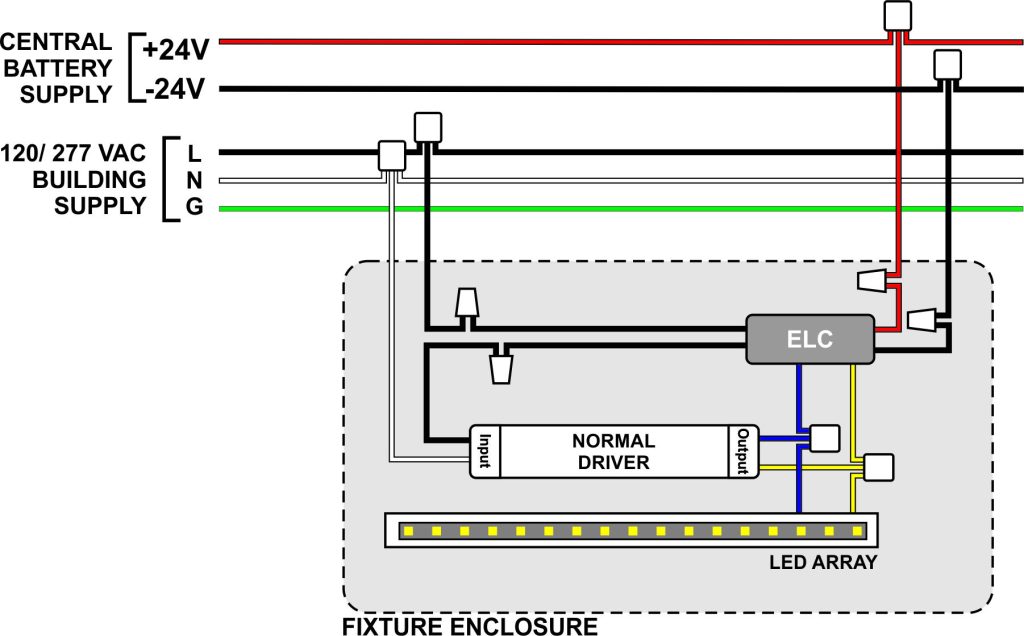
LED light failures can stem from driver issues or other circuit problems. Understanding the specific LED lighting system is crucial to determining the cause and applying the appropriate solution. Consult your product manual for specific troubleshooting instructions.
Preventing Future Lighting Problems
Regular Maintenance
Routine maintenance can prevent many lighting problems. Ensure proper ventilation around lighting fixtures. Examine connections regularly. Periodically check for damage or deterioration. Simple inspection and preventative measures can prevent future problems.
Choosing High-Quality Components
Investing in high-quality components can significantly reduce the risk of future problems. Look for reliable brands and products that meet safety standards. This includes both the fixtures themselves and the components involved in the wiring.
In conclusion, resolving lighting repairs requires a systematic approach, understanding the intricacies of fixtures and wiring, and the expertise of a qualified electrician. Addressing these issues promptly prevents further damage, ensures safety, and maximizes the lifespan of your lighting systems. For expert lighting repair services, contact a reputable electrician today! Contact [Your Company Name] for a free consultation and quote.