
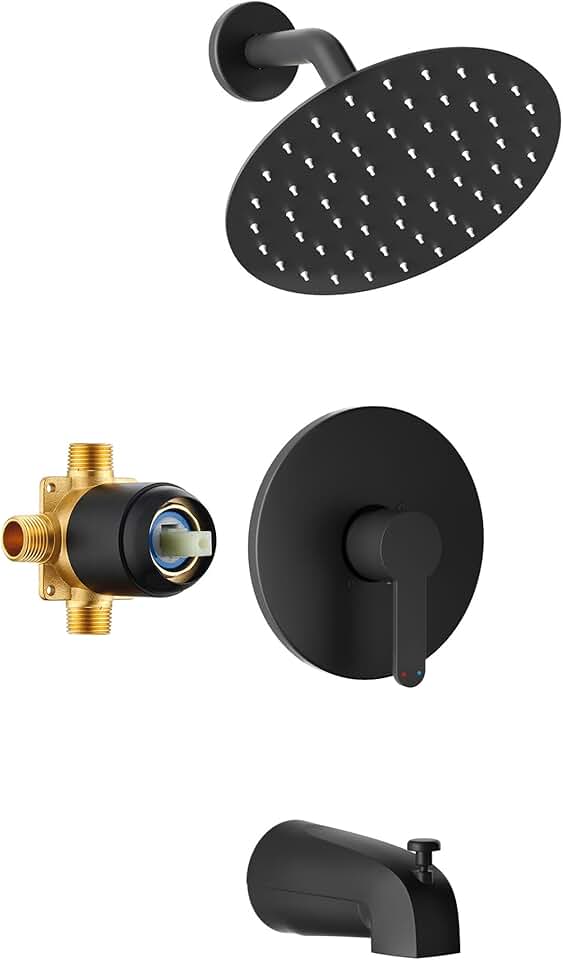
Fixture repairs are a common homeowner project, from leaky faucets to broken showerheads. Tackling these repairs yourself can save you money and give you a sense of accomplishment, but only if you approach it methodically and safely. This guide will provide you with step-by-step instructions for fixing common fixture issues, such as leaky faucets, showerheads, and more.
Understanding Fixture Repair Basics
What are Fixture Repairs?
Fixture repairs encompass a wide range of tasks related to maintaining the functionality of faucets, showerheads, and other bathroom and kitchen plumbing fixtures. Common issues include leaky faucets, clogged drains, and damaged showerheads. This broad category often involves troubleshooting, replacing parts, and ensuring proper water flow. The key is to identify the specific problem before diving into a potential fix. Sometimes, a simple adjustment can solve a troublesome issue, while other times, more extensive repair or replacement is necessary. Understanding the underlying mechanisms is crucial for addressing the problem correctly.
Identifying Common Fixture Problems
The most common fixture problems arise from wear and tear, mineral buildup, or improper installation. Leaky faucets are a frequent complaint, often caused by worn-out washers, worn-out O-rings, or faulty cartridges. Clogged drains can result from hair, soap scum, or food particles. Damaged showerheads may require replacement due to corrosion or physical damage. Knowing the root cause can drastically simplify the repair process. Proper diagnosis is critical for effective repair; tackling the wrong problem might lead to wasted time and resources, or worse, create more severe issues.
Fixing a Leaky Faucet
The Importance of Proper Faucet Repair
Leaky faucets waste water, can cause extensive water damage over time, and increase your water bill. Fixing a leaky faucet is a simple DIY project that can save you money and prevent significant damage to your home. A dripping faucet can be easily repaired with the proper tools, saving you money over calling a plumber. Most leaky faucets are caused by worn-out components, like washers, and these are relatively inexpensive to replace.
The Step-by-Step Guide
1. Turn off the water supply to the faucet.
2. Disassemble the faucet by unscrewing the handle and the faucet body.
3. Replace any worn-out washers or O-rings.
4. Reassemble the faucet and turn the water supply back on.
5. Test the faucet to ensure there are no leaks.
This process ensures a proper and lasting repair. Remember safety measures; always shut off the water supply before working on any fixture.
Replacing a Showerhead
Why Replace a Showerhead?
Replacing a showerhead is another straightforward task often undertaken by homeowners. Sometimes, issues stem from mineral buildup, causing the water to spray unevenly or less forcefully. Or, perhaps the showerhead is simply outdated and needs an aesthetic upgrade. A new showerhead can dramatically enhance your showering experience and may even reduce water consumption.
The Process of Showerhead Replacement
1. Turn off the water supply to the shower.
2. Disconnect the old showerhead from the pipes.
3. Install the new showerhead following the manufacturer’s instructions.
4. Turn the water supply back on. It is imperative that the connections are secured tightly and sealed properly to prevent leaks. New showerheads often offer improved water pressure, which will add value to your home.
Addressing Drain Clogs
Understanding the Causes of Clogged Drains
Clogged drains in sinks and showers can be frustrating, often interrupting daily routines. The causes range from hair buildup to food particles accumulating in pipes. These clogs can create significant problems if ignored, potentially leading to water damage. Early identification and proper intervention can prevent larger issues. Understanding the common causes can help prevent clogs from happening in the first place.
Effective Drain Cleaning Solutions
1. Use a drain snake to remove blockages.
2. Try a chemical drain cleaner (use cautiously).
3. Consider a plunger for simple clogs.
4. If the clog persists, call a plumber. Avoid using harsh chemicals indiscriminately, as they can damage pipes or the drain system if not used correctly. Sometimes, more powerful solutions are needed, such as hiring a professional.
Troubleshooting Other Fixture Issues
Identifying and Addressing Unusual Problems
This includes a multitude of other potential fixture issues. This can encompass anything from repairing a leaky sink to fixing a dripping tap, addressing issues with faucets, or even dealing with a faulty water filter. It is important to carefully assess the issue and look for the source. The most important step is to identify the exact cause of the problem before attempting any repair.
Specialized Strategies for Various Fixture Problems
1. Fixing leaky valves: Carefully identify the type of valve and choose the proper tools and parts to fix the issue.
2. Cleaning aerators: Carefully clean the aerators of faucets or other fixtures. If the aerators are clogged with mineral deposits or other debris, this will restore their effectiveness.
3. Replacing worn-out parts: If parts of the fixtures are worn out, it is important to replace them. It is best to use replacement parts made specifically for the fixture type to ensure proper fit and functionality.
Safety Precautions in Fixture Repair
Essential Safety Measures
Always turn off the water supply before working on any plumbing fixture. Improper handling of water lines can cause water damage, which can be extremely costly. Improper use of tools can lead to injuries as well. Working with water and potentially harmful chemicals requires utmost care and adherence to safety guidelines.
Common Safety Mistakes to Avoid
1. Ignoring water shutoff valves.
2. Using improper tools.
3. Using harsh chemicals carelessly.
4. Lack of adequate ventilation.
5. Working alone on complex tasks.
Additional Tips for Fixture Repairs
Planning and Preparation
Always plan your project thoroughly before you begin. A thorough inspection of the fixture can help you identify the exact issue and plan the best approach for repair. Having the correct tools and supplies on hand will make the task much easier. Gather all necessary parts and materials to ensure you have everything before starting work.
Understanding Different Fixture Types
Each fixture, like toilets, sinks, or tubs, has its unique requirements. Research the specific type of fixture before starting to avoid damage. Different fixtures have unique mechanisms, requiring different repair methods. Thorough understanding of specific fixtures saves time and effort, prevents damage and mistakes.
Long-Term Fixture Maintenance
Strategies for Preventing Future Problems
Preventative maintenance can save you money and avoid larger problems in the future. Proper maintenance involves things like regular cleaning to prevent mineral buildup and regular checks to detect minor problems early.
Preventative Measures
1. Regular cleaning: Regularly check for mineral buildup or debris in your faucets and showerheads. Cleaning these regularly can help prevent clogging or leaks.
2. Inspection: Regularly inspect your plumbing fixtures for any signs of wear and tear or potential issues. Early detection can save you from larger and more costly repairs.
3. Proper installation: Properly install fixtures to ensure optimal functionality and long-term use.
Resources and Further Learning
Helpful Tools and Guides
Seek out helpful resources like online videos, tutorials, and instructions specific to your fixture type. These resources often offer visual aids and clear instructions for various repairs.
Professional Plumbers vs. DIY
Weighing the pros and cons of a professional plumber versus DIY fixture repair is crucial. Professional plumbers have the training, tools, and experience for complicated jobs. DIY can save costs for straightforward tasks. Properly assessing the complexity of the task is vital to making the best choice for your situation. Professional plumbers can help with complicated repairs or scenarios that go beyond basic repairs, ensuring complete resolution and safety. This could save your home from additional damage and save time in the long run. It is essential to make the right choice for the safety and efficiency of the repair process. This might entail researching the difficulty of the task and getting expert help when necessary. This is very important for large or complex repairs to avoid costly errors and damage. A professional’s services will offer expertise in problem-solving and identification to ensure lasting results for fixtures. Also, it might be essential for intricate repairs or tasks that need specialized equipment or extensive knowledge of plumbing systems. Hiring a professional saves you time and effort, and ensures the work is done correctly and safely. This is essential in ensuring that the repair will not result in future problems in your home. Therefore, a qualified professional can save you the trouble of unnecessary repairs and damage to your home. This ensures a safe and lasting solution. You can find reputable local plumbers by searching online or asking for recommendations from friends or neighbors. Verify their certifications and licenses. This approach safeguards your home and ensures the fix will last for a long time. If possible, discuss your concerns or ask questions regarding the potential risk and the feasibility of the job to find out the best approach for your situation. Consult several professionals to obtain reliable estimates for the work required. Doing this will let you compare different quotes and decide what is best for you. This research allows you to understand the project better and makes sure your expectations and the professional’s are aligned to ensure you get the best outcome. It is also essential to understand the implications of hiring a professional, such as their rates and estimated completion time. These factors need to be evaluated and compared against the complexity and cost of the task, to make informed decisions about the repair project. Understanding the factors of the project from the professional’s standpoint allows you to get a clear idea about the project’s feasibility and implications. Also, consider checking for necessary permits before undertaking any plumbing project, and it’s best to comply with local building codes to avoid potential legal issues, which could potentially impact the project’s cost or duration. You should know whether or not there are any relevant permits needed for any fixture repair or replacement project to avoid problems in the future. Furthermore, you should also ask for references for past work, which can give you an idea about the plumber’s reliability and quality of work. Thorough verification of their reputation and past work can be a deciding factor in your decision, and finding out about their past jobs shows their competency and quality. This shows the effectiveness of the plumber and their track record, allowing you to evaluate whether or not you should hire them. This is a critical part of the project, and you should make sure that you are comfortable with the plumber’s approach to your project to ensure the best possible outcome for your repairs. A professional’s expertise is invaluable for more complex projects. This adds to the importance of properly vetting and hiring a qualified plumber. Contact multiple plumbers for quotes and discuss any concerns or questions you have to find one who understands your requirements and needs. Checking their past work and their reputation is an important step towards making a wise choice. Researching their portfolio for different fixture repairs can give you an understanding of their competency in different jobs, and this can be extremely valuable in making a well-informed decision. Doing this in advance can save you from unnecessary troubles and headaches in the future. Checking references or reviewing testimonials can help you find out about their work and give you insights on whether they might be suitable for the type of job you need done. This could be a determining factor in choosing the right person for the project and ensuring a positive and long-lasting experience with the repair project. If needed, get a second opinion. Get estimates from multiple sources and compare the cost and proposed solutions. This approach ensures that you are getting the best possible deals and ideas, leading to making a wise decision that can improve your home and your pocket. You can look at past projects to ensure the plumber has done what is best for the home and that they are a qualified professional. This research should help you evaluate the plumber’s expertise, experience, and trustworthiness, allowing you to make an informed decision about your home improvement projects. Ask for detailed descriptions of how the job will be done and what materials will be used. This method will help you visualize how the work will be performed, and understanding the process can help you make better choices. Doing your research is a great way to learn about the process and ensure that you understand what you’re getting yourself into. It also saves you time and effort by letting you avoid potential mistakes and problems that could occur, leading to a better outcome for the project. You can gain a better understanding of what to expect in terms of the project, saving you potential troubles, and this could be a critical component of the decision-making process. Understanding the process and getting clear expectations about the work is important to ensure you get the best possible outcome from the project, and it will help you find a better decision. Make sure the plumber is properly insured and bonded. This ensures that the repairs are done safely and legally, and that you have some protection against potential issues in case of any issues that may come up. By understanding the process, you will get a better idea of what to expect and what to look for, and help you make a wise decision. This approach helps you prepare for potential issues and ensure a smoother process. Before signing anything, confirm the specifics of the job and the plumber’s qualifications. This step helps you avoid any potential problems or misunderstandings. Researching and understanding the costs is vital for a better budgeting plan. Gather different estimates from different plumbers, and compare quotes and costs. Comparing different options and factors, such as price and quality of work, will give you the best perspective and options for your repair project, and it will help you make informed decisions. Compare the different options, make a list of the various proposals and factors that you need to compare, and choose the one that best suits your budget. This approach will help you evaluate different options and make the best decision for your situation. Make sure that you have done all the homework for the project. Before you choose the best option for you, make a list of all the factors and compare them to see which is best for you. Review and compare several choices before committing. Review all of the information and compare to be sure that it fits your needs and budget. Do your homework. Be aware of potential issues and challenges that may arise. Research different plumbing companies and their services before making a decision. Research and understand your options thoroughly. By doing this research, you will know the different services that you can expect to get from a plumbing company, saving you time and effort. You will find that there are different companies and services that will serve you, so you can be sure that you can always find companies that meet your standards and that you can rely on. Avoid rushing into decisions to ensure you are making the best choice for your home improvement project. Consider what you want to achieve, and whether the service will fit your needs. Make a decision that you’re proud of, to ensure that you can enjoy the best results. Understand the needs and make sure they match what you’re looking for. This helps you ensure you make a decision that you will be proud of. Know your limitations and know when to seek professional help. Seek a second opinion, especially for more complex repairs, to ensure the job is done correctly. Consult with several professionals to compare quotes and ensure accuracy. Discuss any concerns or questions that you have. This allows you to understand the details and make a better decision. Be prepared for potential issues and challenges in the job. By understanding the process and planning ahead, you will likely get a better outcome and make a better choice. Evaluate the pros and cons of hiring a professional plumber. Weigh the cost versus the time and effort needed for a DIY approach, to get a clearer picture of your options. Assess your situation to see what options work best for you. Be clear about your expectations to avoid future problems and difficulties. Clear communication is crucial for ensuring mutual understanding and a satisfactory outcome. When dealing with a professional, clearly communicate your goals, requirements, and budget for the project. Ensure everyone is on the same page. Make sure you’re comfortable with the approach and solution presented. Knowing that everyone is on the same page will prevent misunderstandings and possible future problems. By researching the different options, you will have a clear picture of what to expect, so you can make informed decisions. This helps you understand the process involved in the task. Carefully evaluate the various factors, such as cost and time, and choose the option that best meets your needs. Be prepared for potential issues and challenges to make sure that the job is completed satisfactorily. Understand the process, evaluate your options, and compare them to find the most suitable approach.
In conclusion, fixing fixtures like faucets and showerheads is a manageable DIY task with the right tools and guidance. Following these steps can save you money and time compared to hiring a professional. Remember to prioritize safety and use the right tools for the job. If you’re still hesitant, consider contacting a qualified plumber for complex repairs. For more home improvement tips and resources, visit our website. Fix those leaky faucets and enjoy a smoother, more efficient home today!