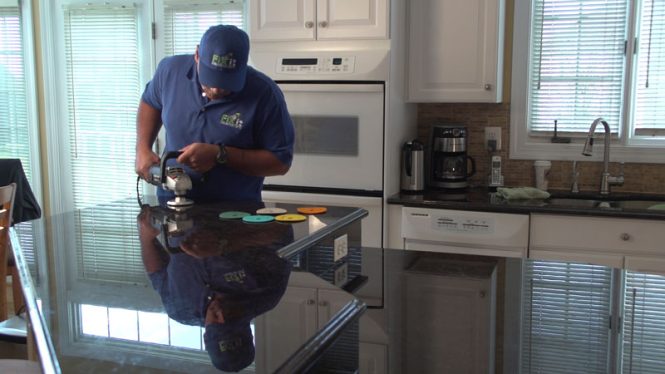

DIY Countertop Repair is a practical and budget-friendly solution for addressing minor issues on your countertops. This guide delves into the techniques, steps, and materials needed for successful DIY repairs, helping you save money while maintaining the aesthetics and functionality of your kitchen. Many homeowners encounter chipped, cracked, or stained countertops, leading to frustration and costly replacement anxieties. However, with the right approach and careful execution, you can often restore your countertops to their former glory. This guide will break down the process for various countertop materials into manageable sections, equipping you with the knowledge to tackle repairs confidently and effectively. We will discuss the types of repairs, the materials needed, step-by-step procedures for different countertop types, and safety precautions. Finally, we’ll address common questions and offer expert tips for extending the lifespan of your countertops.
Identifying the Damage and Assessing the Situation
Understanding Different Countertop Materials
Countertops come in diverse materials, each with unique characteristics and repair requirements. Understanding your countertop type is crucial for selecting the right repair technique. Common types include granite, marble, quartz, laminate, and concrete. Each material reacts differently to damage and requires specific repair strategies.
Assessing the Extent of the Damage
Before starting any repair, thoroughly assess the extent of the damage. Is it a minor chip, a significant crack, or a large stain? The severity will determine the complexity of the repair and the materials you need.
Identifying the type of damage and the severity will help you select the most appropriate repair approach.
Repairing Minor Chips and Cracks
Choosing the Right Repair Kit
For minor chips and cracks, specialized repair kits designed for specific countertop materials are often your best bet. These kits usually contain epoxy resin, fillers, and other necessary components.
Step-by-Step Repair Process
The repair process typically involves cleaning the affected area, applying the filler, smoothing the surface, and finally, sealing it. Carefully follow the instructions provided with the repair kit. Many manufacturers offer online videos and detailed tutorials that can greatly assist in the process.
Different types of countertop materials respond better to specific repair kits.
Addressing Stains and Discoloration
Identifying the Source of the Stain
Countertops can accumulate various stains. Understanding the source of the stain is vital. Food-related stains, water damage, or chemical spills often require different treatment. Water-based stains may need a different approach compared to oil-based stains. For example, a vinegar solution might be effective for certain food stains, but too harsh for a different material.
Removing Stains Effectively
For effective stain removal, use appropriate cleaning solutions and techniques. Consult product labels for proper usage instructions. Test any solution on an inconspicuous area first to ensure it doesn’t damage the countertop material.
Stains are often caused by spills, or everyday wear and tear. Identifying the cause of the stain can help avoid future issues.
Advanced Repair Techniques
Dealing with Large Cracks
Large cracks in countertops often necessitate professional repair services. DIY methods might not always be suitable or effective for extensive damage. Professional repair often involves specialized resins or patching techniques tailored to the specific countertop material.
Resurfacing Damaged Areas
In some cases, a complete resurfacing might be the best option for severe damage or aesthetic concerns. Professional resurfacing techniques often involve grinding down the existing surface and applying a new layer. This option is generally more complex but can provide a complete renovation if desired.
The complexities of large repairs often necessitate a qualified professional, and it is advisable to seek help when the damage goes beyond the average homeowner’s capability.
Safety Precautions and Considerations
Working Safely
Safety should always be a top priority when working on your countertops. Always wear appropriate safety gear, such as gloves and eye protection. Proper ventilation is essential, especially when using chemicals or adhesives.
Handling Materials
Carefully follow all safety instructions and handling guidelines for the materials and equipment you use in the process. Ensure to use equipment according to specifications, and in proper working condition.
DIY countertop repair projects can be tricky. Always prioritize safety and consult with experts when necessary.
Additional Tips
Sealants and Coatings
Applying sealant or coating to your countertops can help prevent future stains and damage by acting as a barrier. Choose a sealant that’s appropriate for the specific countertop material. The sealant protects the surface and helps maintain its appearance and durability.
Using Color Matching
Choose repair materials and products that closely match the color of your existing countertop. Careful color matching will ensure minimal visual impact after repair. This step is crucial for maintaining the aesthetic integrity of your countertop.
When to Call in the Professionals
While DIY countertop repairs are viable for minor issues, professional help is recommended for substantial damage, extensive repair needs or concerns regarding the specific countertop materials. Always assess the damage carefully before proceeding, especially if you’re not familiar with countertop repair techniques.
FAQ
What is the best material to use for DIY countertop repairs?
For minor chips and cracks, epoxy resins or specialized countertop repair kits are often the most effective. These usually come with step-by-step instructions to guide you through the repair process. The best choice often depends on the specific type of countertop material. Always check the product information and compatibility.
How can I prevent future countertop damage?
Regular maintenance and proper cleaning procedures can significantly reduce the risk of damage. For example, use coasters under glasses or hot items to prevent potential scratches. Be mindful of how you use your countertops and follow manufacturer guidelines for proper care.
In conclusion, DIY countertop repair is a viable and often cost-effective solution for minor damage. By understanding the different types of countertop materials and employing the appropriate repair techniques, you can significantly extend the lifespan of your countertops. Remember to always prioritize safety and consult professional help when necessary. Before undertaking any DIY countertop repair project, thoroughly research the specific material of your countertop, and explore any available resources or tutorials. For any major damage or if you’re uncertain, contact a qualified countertop repair technician.