Classic design for every room in your home provides a timeless and versatile approach to interior decorating. It allows you to create a stylish and enduring atmosphere that transcends fleeting trends. Today’s homes often struggle with maintaining a sense of calm and balance amid the endless barrage of home design choices and trends. Many people feel overwhelmed by the sheer volume of options when it comes to decorating, and this can lead to a sense of dissatisfaction with the finished space. This article presents solutions for achieving a cohesive and stylish classic design aesthetic for every room of your home. We will break down the key elements of classic design, offering practical advice and real-world examples to inspire your own design journey. This article is organized into sections that explore different aspects of classic design, from choosing the right furniture to selecting suitable color palettes and creating a unified flow throughout your house.
Defining Classic Design
Understanding the Essence of Timeless Style
Classic design is a style that transcends fleeting trends. It emphasizes timeless elegance, balance, and sophistication. It is often characterized by a sense of order and harmony. Rather than relying on vibrant, trendy colors and extravagant patterns, classic design focuses on neutral color palettes and simple, well-crafted forms. Elegant yet approachable, it is a style that grows more beautiful with age. Think of historical homes: their enduring appeal stems from thoughtful, sophisticated design choices.
Key Characteristics of Classic Design
Some key characteristics of a classic design include: symmetry, balance, and proportion; a thoughtful approach to color and texture; carefully selected furniture and decorative accessories; and the use of high-quality materials. When done well, classic design can create a feeling of both elegance and comfort.
Choosing Furniture for a Classic Aesthetic
Selecting Timeless Pieces
Investing in high-quality, well-made furniture is crucial for achieving a classic design style. Look for pieces with clean lines, durable materials (such as wood or leather), and classic designs that have proven their lasting appeal over time. Avoid trendy or overly ornate furniture. Focus on pieces with a simple, understated elegance. Consider the classic styles from different eras and countries to create a unique and personalized aesthetic.
Color Palettes that Exude Sophistication
Creating Harmony Through Neutral Colors
Classic design often features a harmonious blend of neutral colors. A color palette that is predominantly composed of soft grays, creams, and beige can provide the perfect canvas for more dramatic touches while maintaining a calm and elegant vibe. Consider using warm or cool tones within this palette to add depth and interest. You can use accent colors, such as rich jewel tones, to create visual interest without disrupting the overall calm and balanced feel. Consider how different shades of the same color can be used to create layered looks.
Creating a Unified Flow Throughout Your Home
Integrating Classic Design Elements
To achieve a truly classic look, it’s important to establish a consistent aesthetic throughout all rooms. This means selecting color schemes and furniture pieces that complement each other, creating a harmonious flow from one space to another. For example, a high-quality hardwood floor can be integrated into other areas through different styles of wood finishes and the use of rugs. Consider lighting fixtures and architectural details for continuity.
Classic Design in Different Rooms
Adapting to Unique Needs and Preferences
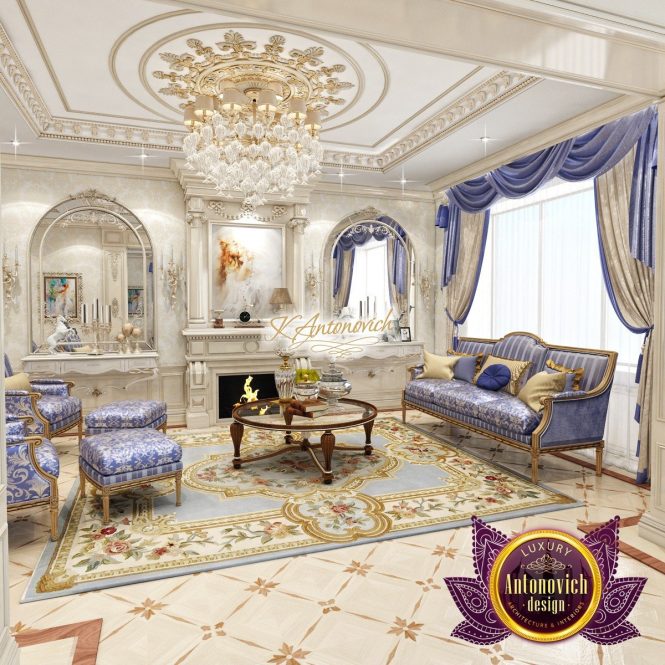
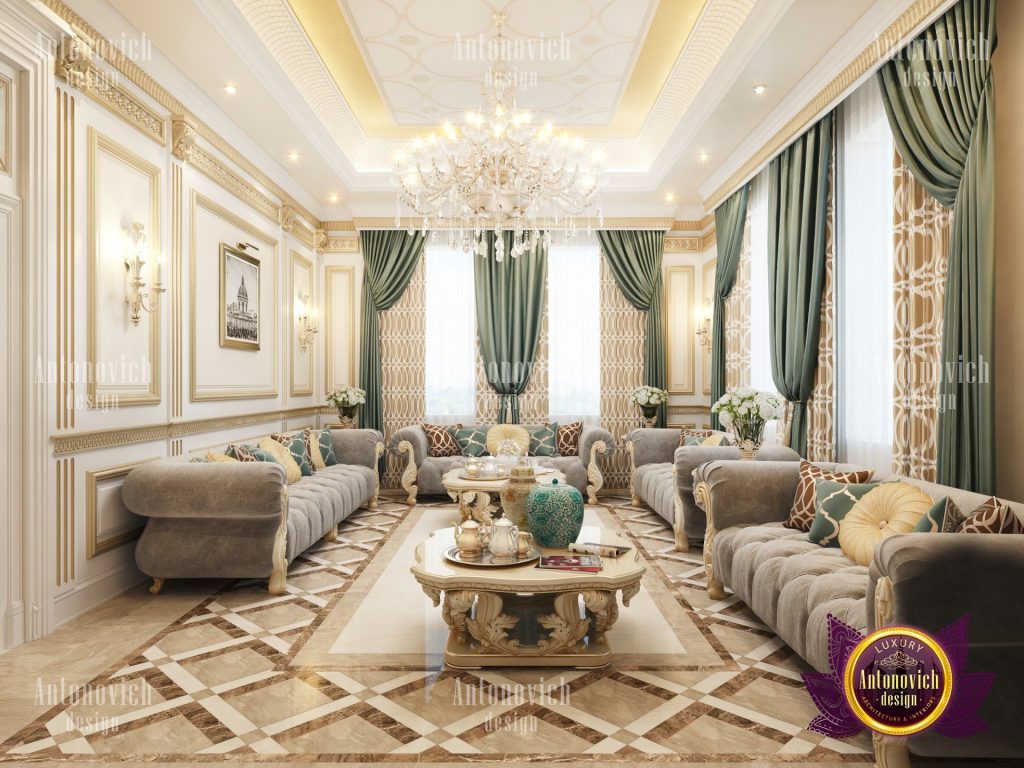
Classic design can be adapted to meet the unique needs and preferences of each room in your home. For example, a classic living room may feature a stately sofa and armchairs, while a dining room might have a formal table and chairs. Bedrooms can include a luxurious bed, bedside tables, and perhaps some thoughtful, elegant accessories. A kitchen can still exhibit classical touches with classic cabinetry, high-quality appliances, and stylish countertops.
Case Studies and Examples
Classic Design in Action
Many designers around the world have showcased the power of classic design. Examples can be found in stately homes, historical landmarks, and even contemporary homes that draw inspiration from classic aesthetics. Look at famous interior designers; their work can provide valuable insight and inspiration.
Conclusion
FAQ
Examples from Famous Interior Designers
In conclusion, embracing classic design for every room in your home offers a timeless and versatile approach to interior decorating. By carefully selecting pieces, paying attention to color palettes, and considering the overall flow of the space, you can create a truly elegant and enduring atmosphere. Remember to prioritize comfort and functionality alongside aesthetics to ensure a space that is both beautiful and practical. If you’re ready to embark on a classic design transformation for your home, take inspiration from these tips and start planning your dream space! Begin by brainstorming your ideal aesthetic and setting a budget for the project.