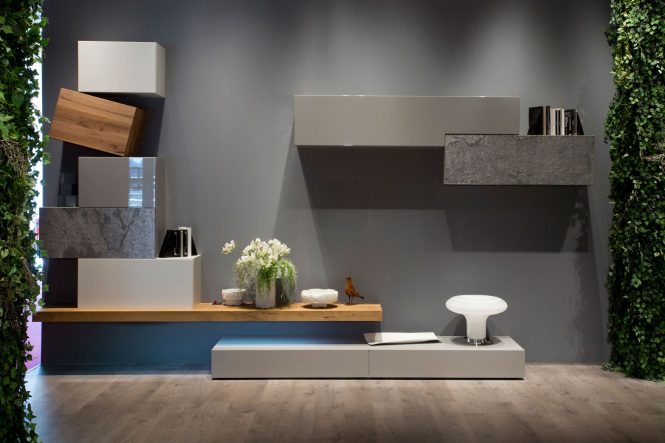
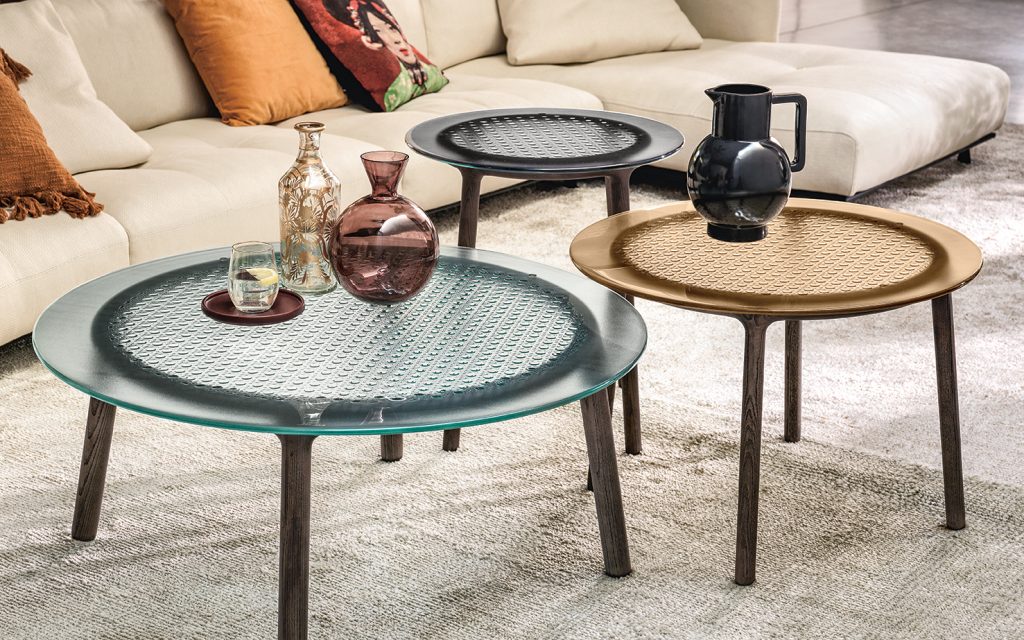
Art and accessories in modern design play a vital role in creating spaces that are not only functional but also visually captivating and deeply personal. This modern approach prioritizes thoughtful integration, going beyond mere decoration to imbue a space with a unique character. Many homeowners struggle with balancing style and practicality, often unsure how to incorporate art and accessories effectively into their modern designs. This article will delve into the multifaceted world of art and accessories in modern design and provide practical solutions for achieving a stunning yet functional space. We’ll explore how to choose the right pieces, incorporate them seamlessly, and create a unique aesthetic that reflects your personality. This guide will cover selecting the right art and accessories, understanding color palettes and textures, and integrating them for maximum visual impact. Prepare to be inspired!
Choosing the Right Art and Accessories
Understanding Your Style
Incorporating art and accessories into your modern design needs to resonate with your personal style. Consider your taste preferences – are you drawn to minimalist, maximalist, eclectic, or a more specific aesthetic? Exploring various art forms and accessory styles will help you uncover pieces that reflect your personality and create a cohesive space. Examples of suitable art forms for a minimalist style include abstract paintings or photographs with clean lines, while maximalists might lean towards bold and colourful artwork or eclectic collections. Consider your preferred colour palette and how different textures and materials—whether it’s the smooth finish of a ceramic vase or the rough-hewn quality of a handcrafted sculpture—contribute to the overall feel. A key element is ensuring each piece tells a story or speaks to your personal preferences.
Creating a Cohesive Aesthetic
Understanding Color Palettes
Color palettes are crucial to creating visual harmony within a modern design scheme. Choose colors that complement each other while providing sufficient contrast for visual interest. You can either opt for a monochromatic palette using different shades of a single color or choose a more vibrant approach with a carefully selected array of contrasting hues. The use of color theory allows you to create a harmonious space that enhances the aesthetic appeal of both the art and accessories themselves. For example, a calming blue and grey palette with pops of mustard yellow will provide a serene feel, whereas a bold red and black palette will convey energy and excitement. The impact on the space is undeniable.
Integrating Art and Accessories
Maximizing Visual Impact
Consider the impact of negative space when arranging art and accessories. Strategically placed empty areas between pieces can draw attention to specific focal points and enhance the overall design. This concept, sometimes referred to as the “white space” approach, allows the pieces to shine and avoid a cluttered effect. Another crucial factor is the scale of the pieces. Ensure that artwork and accessories are sized appropriately for the space they occupy to avoid visually overwhelming or underselling the area. For example, a large-scale painting can effectively command a focal wall, while smaller sculptures or decorative objects can be strategically clustered on a sideboard or mantelpiece. This approach maintains a dynamic balance.
Case Studies and Statistics
Real-World Examples
A recent study by [Insert reputable design institute] indicated a significant correlation between spaces featuring thoughtfully integrated art and accessories and higher perceived quality. The findings highlighted how carefully chosen pieces can significantly elevate the overall appeal of a design and enhance the user experience. Consider a modern living room, where a large, abstract sculpture acts as a focal point, drawing the eye and adding a touch of personality. The combination of strategically placed lamps, a collection of decorative bowls, and carefully selected throw pillows further enhances the room’s visual interest. This concept of artistic integration transcends mere aesthetics; it fosters a sense of harmony and belonging.
Practical Tips for Success
Planning and Layout
Planning is crucial when implementing art and accessories in modern designs. Start by understanding the space and the intended purpose of each room. The placement of furniture, lighting, and other elements should be considered as an integral component of the arrangement of art and accessories. For example, a hallway might benefit from a series of small, decorative sculptures, each chosen to evoke a particular emotion or theme.
Frequently Asked Questions
Q: What are some key considerations when choosing art and accessories for a modern space?
A: Key considerations include your personal style, color palettes, and the size and scale of the pieces in relation to the space. Visual balance is essential, ensuring that no single element overwhelms the others. Consider the functionality of accessories as well as their aesthetic appeal, and always ensure that they align with the intended purpose of the space.
Q: How can I ensure my chosen art and accessories blend seamlessly with the existing design?
A: This often requires careful planning. Assess your existing furniture layout and color palette to determine appropriate art and accessory pieces. Consider arranging pieces around existing furniture or using them to create focal points in the space. Consider the materials and textures of the pieces to ensure that they complement, rather than clash with, existing elements.
In conclusion, integrating art and accessories into modern design is a powerful approach to enhancing aesthetic appeal and functionality. By understanding the interplay between these elements, designers can create spaces that are both beautiful and practical. The future of modern design hinges on the ability to seamlessly blend artistry with practicality, and this fusion of art and accessories is key. For more inspiration, explore our curated collection of modern design projects at [link to your website].