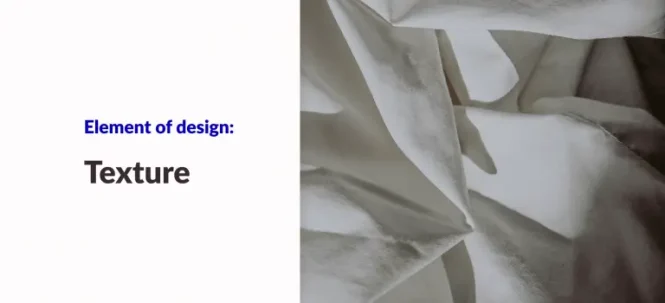
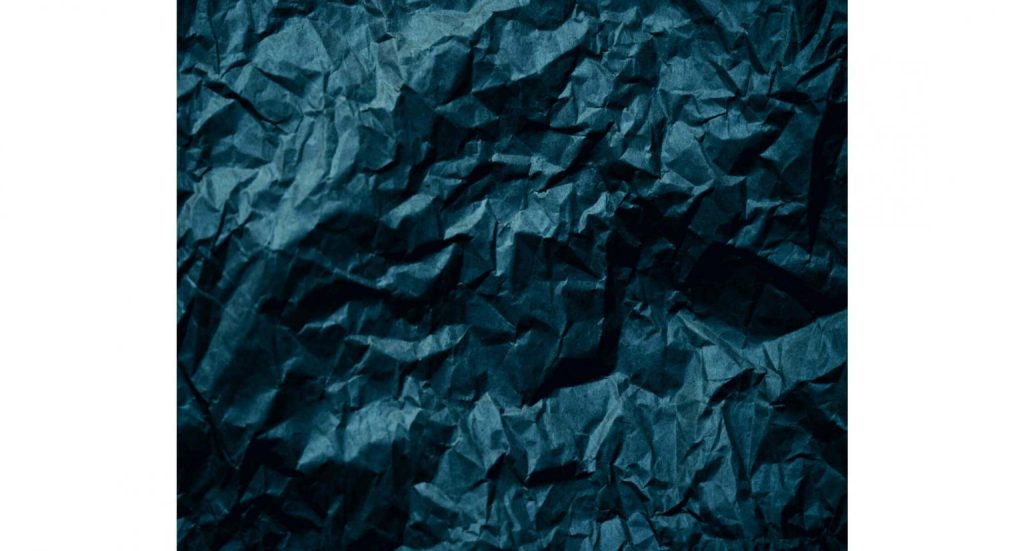
Texture in Modern Design plays a crucial role in creating captivating and evocative spaces. It’s more than just a visual element; it’s a sensory experience that can evoke emotions and enhance the overall functionality of a design. Many individuals and businesses struggle with understanding how texture can be a powerful tool to elevate their designs. This comprehensive guide explores the nuances of texture in modern design, providing practical tips and examples to help you understand and implement this crucial element. We’ll delve into the psychology of texture, examine various applications across different design disciplines, and ultimately show you how to use texture effectively to transform your spaces. This guide will cover different textures, their psychological impact, and show you how to strategically use texture to your benefit.
The Psychology of Texture
Understanding the Sensory Experience
Texture isn’t just about visual appeal; it’s deeply tied to our sensory experience. Different textures evoke different emotions and create distinct moods. Rough textures, for example, can convey a sense of strength or ruggedness, while smooth textures often suggest elegance or sophistication. The tactile quality of materials also influences how we interact with a space. Consider the difference between the feel of a soft, plush rug and the cool, smooth surface of a polished concrete floor. This difference in texture directly affects our comfort level and emotional response to the space.
Applications of Texture in Interior Design
Creating Depth and Dimension
In interior design, texture plays a pivotal role in creating depth and dimension within a space. Varying textures within a single room can draw the eye, creating a focal point or guiding the viewer’s attention through a particular arrangement. By carefully selecting materials with different textures, designers can create a layered effect that adds visual interest and richness to the environment. Consider incorporating a textured wallcovering alongside smooth, polished furniture pieces to create a striking contrast and balance. For example, using a woven rug with a patterned, textured surface can draw the eye and create a unique visual narrative in a room. Many designers use this technique to highlight particular areas within the design.
Texture in Furniture Design
Enhancing Functionality and Aesthetics
Texture is not limited to wall coverings and floorings; it significantly impacts furniture design. The choice of materials, from the smooth, polished surfaces of wood to the intricate weaves of textiles, significantly affects the way furniture interacts with our bodies and senses. Different materials offer unique properties in terms of durability, comfort, and visual appeal. For example, the soft texture of velvet upholstery creates a sense of luxury and comfort in a living room, while the sturdy texture of a wooden desk provides a sense of stability and practicality. Think about the comfort you get from sitting on a soft sofa with a plush texture versus a hard, unyielding surface.
Beyond Interiors: Texture in Other Design Disciplines
Expanding the Application
Texture’s influence extends beyond interior design. It’s also important in architecture, product design, and even graphic design. In architecture, the texture of building materials can reflect the surrounding environment or evoke specific aesthetic qualities. Consider a rustic cabin with rough-hewn timber or a futuristic skyscraper featuring smooth glass panels. These materials and textures work hand in hand to dictate the feeling of the space. Likewise, the texture of a product’s surface can greatly influence its appeal to consumers. Think about the subtle texture differences between various smartphones or the distinct tactile experience of holding a ceramic mug versus a plastic one. Even in graphic design, texture can be incorporated through patterns or subtle visual effects that create a distinct aesthetic and brand identity.
The Role of Texture in Visual Hierarchy
Guiding the Eye
In any design, the visual hierarchy is paramount to a pleasing aesthetic. Texture plays a significant role in creating this hierarchy. Strategic use of textures can guide the viewer’s eye through a design, highlighting key elements and creating a visual flow that complements the composition of the piece. For example, using a textured rug with a bold pattern can draw attention to a particular seating area within a room. Incorporating a variety of textures to create an interactive atmosphere is a valuable element for any space.
Incorporating Texture and Color
Creating Depth and Impact
Combining texture with color creates further impact and interest within a modern design. Color and texture both contribute to the overall impression of a room. By strategically placing elements with specific textures and colors, designers can enhance the overall aesthetic value of a room.
Consider a living room with a soft, plush rug in a deep blue shade against a pale beige wall with subtle textures. This combination creates depth, a focal point, and a well-rounded visual experience. The use of contrasting colors and varied textures in furniture placement enhances the visual depth of the entire room. By incorporating a combination of texture and color into a room’s design, you can create both a pleasing visual experience and a pleasant and interactive room.
Choosing Appropriate Materials
Creating Sustainable and Practical Designs
When selecting materials for a project, consider not only their aesthetic qualities but also their practical aspects such as durability and sustainability. Using durable, sustainable materials in your design will make the space even more valuable over time. By selecting materials that have a rich visual and tactile nature, designers create a welcoming and functional space.
For example, bamboo, cork, or reclaimed wood are great options for creating both sustainable and visually appealing pieces. These materials offer a unique texture and are sourced from sustainable materials, creating a thoughtful space and visual experience.
Exploring Case Studies
Analyzing Successful Applications
Analyzing successful applications of texture in modern design can provide valuable insights and inspiration. Researching specific examples of design projects helps designers develop a strong understanding of the overall visual harmony and aesthetic experience.
Case studies showcasing well-executed texture applications can offer valuable insights into the psychology of texture, demonstrate the design process, and illustrate the impact of different materials. By reviewing case studies, you can gain inspiration and learn from the choices made by experienced designers to develop a deeper understanding and appreciation for texture in design.
Working with Design Professionals
Enlisting Expert Advice
Consulting with design professionals can provide invaluable insights into effectively incorporating texture into your modern design. Professional advice from experts is often essential in developing a great design project.
Design professionals have a deep understanding of material qualities, surface textures, and design principles. Their experience in space planning is invaluable when considering all the different aspects to create the ideal aesthetic.
Design professionals can offer guidance and support in navigating the wide range of materials available and help choose appropriate materials to meet your needs.
Frequently Asked Questions
What is the most effective way to incorporate texture into a modern design?
Incorporating texture into a modern design requires careful consideration of the overall aesthetic. The key is to select textures that complement each other and create a cohesive visual narrative. A good strategy is to use a mix of contrasting textures and use texture as a focal point within the space. By considering the desired mood and the overall style of the design, a designer can create a space with a balanced visual hierarchy and pleasing visual harmony.
How can I choose the right texture for my project?
The right choice of texture depends on the specific project and the desired aesthetic. Consider the overall mood or feeling you want to evoke and the function of the space. Consider the visual impact of various textures on the environment, such as the visual impact of polished materials versus materials with a textured surface. For example, a smooth, polished surface might work well in a modern minimalist design, while a rough, textured surface might be a better fit for a rustic or industrial aesthetic. Exploring different samples and consulting with professionals is a great way to gain further insights and determine the best fit for the specific project.
In conclusion, texture in modern design is a powerful tool that can evoke emotion, enhance functionality, and ultimately elevate the overall aesthetic appeal of a space. From incorporating tactile elements into furniture design to using varied textures in wall coverings, the strategic use of texture can transform a simple design into something truly exceptional. By understanding the nuances of different textures and their visual and sensory impact, designers can craft spaces that are both beautiful and impactful. For businesses and individuals seeking to incorporate these principles, exploring further resources on design theory and exploring various textures in existing designs can be a beneficial exercise. This exploration will lead to a better understanding of how texture can be effectively implemented and potentially unlock new avenues for creativity and innovation.