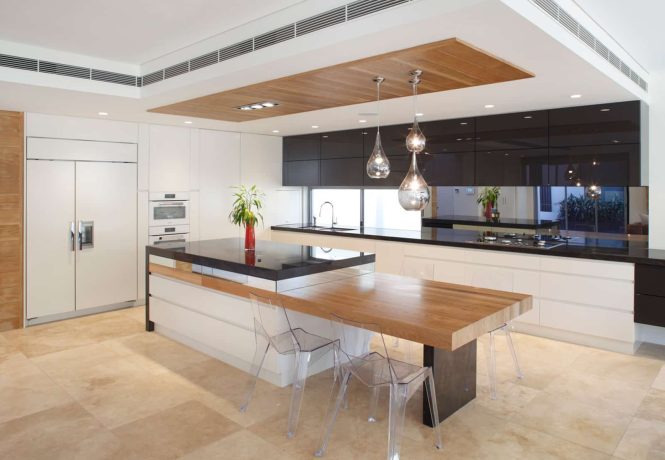
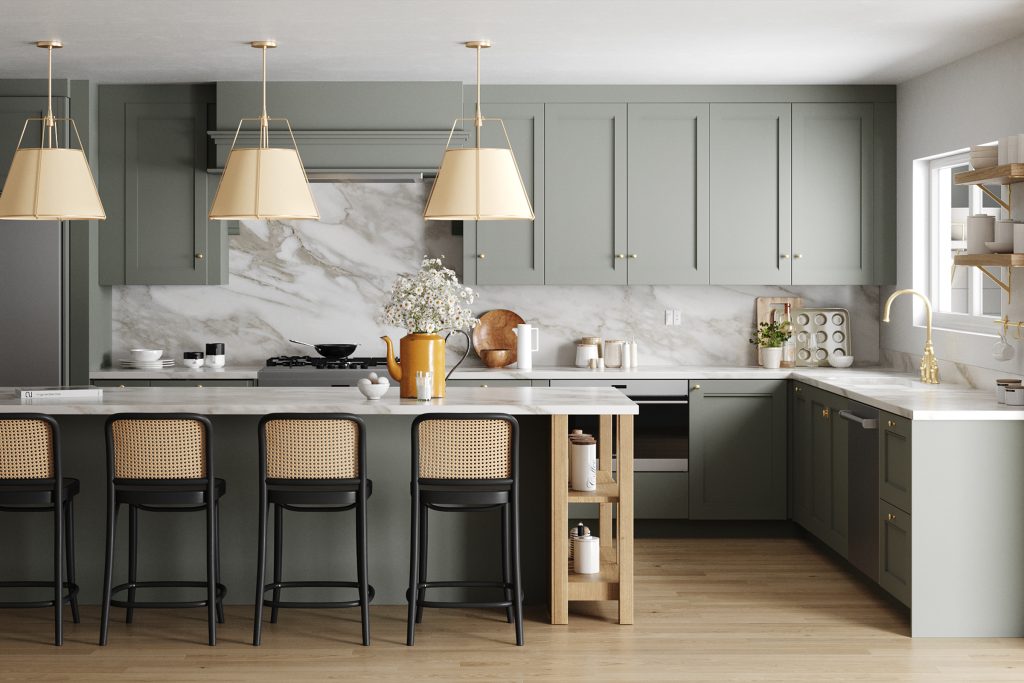
Kitchen renovation ideas are exploding in popularity as homeowners seek to improve their living spaces and boost home value. A well-designed kitchen can dramatically affect daily routines, cooking experiences, and the overall enjoyment of your home. Renovations can feel daunting, but with the right approach, you can achieve a kitchen that’s both beautiful and practical. This comprehensive guide explores various kitchen renovation ideas, offering practical solutions and inspiration to help you transform your kitchen into the heart of your home. We’ll cover everything from choosing the right style to budgeting effectively, ensuring you get the most out of your renovation project. This article will cover several critical areas to consider for a successful renovation, including planning, budgeting, choosing design elements, and exploring different styles.
Planning Your Kitchen Renovation: A Solid Foundation
Defining Your Needs and Wants:
Kitchen renovations require meticulous planning. The first step involves understanding your specific needs and desires for the new space. Consider the flow of your current kitchen and how it affects your daily activities. What do you want the new kitchen to accomplish? Is there more storage needed, or would an open-concept layout be more beneficial? Do you enjoy cooking and entertain frequently? These answers can help determine the features that should be prioritized.
Setting a Realistic Budget:
Understanding the total cost involved is crucial to effectively manage expectations. Research the prices of materials, labor, appliances, and any necessary permits or licenses. Establish a detailed budget to avoid overspending and consider financing options for the renovation, such as loans or home equity lines of credit. The costs of materials and labor can vary greatly depending on your location and the complexity of your project.
Choosing Design Elements to Enhance Functionality
Kitchen Layout Considerations:
Your kitchen’s layout is a fundamental aspect affecting functionality and flow. Consider a layout that optimizes workflow—placing the stove, refrigerator, and sink in an efficient triangle arrangement. If space is limited, explore options like galley or L-shaped layouts for maximum efficiency. The key is to position key areas to minimize wasted movement and maximize interaction with the space. Consider the placement of storage, countertops, and appliances. A well-placed island, for example, can serve as a workspace and social hub in the kitchen.
Embracing Design Trends and Styles for a Beautiful Aesthetic
Exploring Different Kitchen Styles:
Modern kitchens often prioritize clean lines, sleek appliances, and open layouts. Contemporary kitchens are known for their versatility and adaptability—incorporating a mix of modern and traditional elements. Traditional styles, meanwhile, incorporate timeless features, like classic cabinetry and detailed hardware. Determine your personal style and the overall tone of your home when selecting a style.
Incorporating Color and Lighting to Create a Cozy Vibe:
Colors have a significant impact on the mood and atmosphere of your kitchen. Neutral colors create a versatile backdrop for various design styles. Warm tones evoke a welcoming ambiance, while cool tones offer a sense of tranquility. Light plays an important role in defining the ambience of a room. Proper lighting is needed to optimize the usability of the space, and accent lighting can highlight specific features.
Upgrading Your Kitchen Appliances for Enhanced Functionality
Selecting Energy-Efficient Appliances:
Modern appliances are designed for efficiency, offering significant savings on your energy bills. Look for appliances that come with advanced features like self-cleaning cycles, energy-star ratings, and sensor controls. These features can help you save money and energy over time. Focus on the selection of appropriate equipment for the size of your kitchen and the volume of use you expect.
Budgeting for Your Kitchen Renovation
Prioritizing Your Needs vs. Your Wants:
Determining your priorities in your kitchen renovation is critical. A well-defined budget can guide your choices between must-haves and nice-to-haves. Focus on elements that directly improve functionality and your daily interactions with the space. Consider what is truly necessary for the daily functionality of your kitchen.
Exploring Financing Options:
Renovations can involve substantial costs. Explore various financing options such as home equity loans or lines of credit. Research interest rates and repayment terms before making a commitment.
Finalizing Your Kitchen Renovation Project
Hiring Professionals for Expert Guidance:
Professional guidance can streamline the kitchen renovation process. Hire experienced contractors to navigate complex tasks and ensure your project is handled efficiently. Consider their experience and reputation to ensure your project is handled correctly and effectively.
Ensuring a Smooth Workflow During the Renovation:
Plan your kitchen renovation to minimize disruptions to your daily life. Implement strategies for storing food, preparing meals, and other essential kitchen activities. Carefully consider the timeline and make sure to account for potential delays, and adjust accordingly.
Achieving the Desired Aesthetics through Design
Selecting Cabinetry Styles and Materials:
Cabinetry is a cornerstone of a kitchen’s appearance and functionality. Choose cabinetry that complements your style and offers adequate storage. Consider the materials used, as different options like wood, laminate, or veneer have varying prices and appearances.
Incorporating Sustainable Practices for a Eco-Friendly Kitchen
Selecting Eco-Friendly Materials:
Sustainable materials, like bamboo and reclaimed wood, are gaining popularity in kitchen design. Choose materials from responsible sources, ensuring they have a low environmental impact. Incorporate energy-efficient appliances to contribute to your home’s green footprint.
Choosing the Right Kitchen Lighting
Impact of Lighting on Kitchen Functionality:
Well-planned lighting can dramatically impact a kitchen’s appeal and functionality. Optimize your kitchen’s visibility by considering different lighting options like ambient, task, and accent lighting. This will affect the ambience of the space. This ensures the kitchen is well-lit enough for tasks but also provides a pleasing atmosphere.
Types of Lighting:
Explore various types of lighting fixtures to find those that best complement your style. Consider incorporating under-cabinet lighting for task lighting, pendant lights for ambient lighting, and recessed lighting for a clean look. Lighting should provide sufficient brightness while still creating a pleasant and inviting ambiance for cooking and dining in the kitchen.
In conclusion, kitchen renovations are a significant investment that can greatly enhance your home’s value and your daily lifestyle. By carefully planning your project, considering your budget, and choosing the right design elements, you can create a functional and stylish kitchen that you’ll love for years to come. If you’re ready to embark on your kitchen renovation journey, don’t hesitate to consult with experienced professionals and gather inspiration from various design sources. This will ensure a smooth and rewarding experience. Contact us today for a free consultation.