Coastal Modern Design: Breezy and Light is all about creating a tranquil and inviting atmosphere using natural elements and light. Imagine a home bathed in sunlight, featuring soft colors and open spaces that evoke the serenity of the seaside. This style, a perfect blend of modern aesthetics and coastal charm, is gaining popularity among homeowners seeking a fresh, minimalist design approach. Many homeowners are facing the challenge of creating a space that feels both stylish and relaxing, especially when considering the design constraints of space limitations and budget concerns. This guide provides a practical solution, guiding you through the key principles, design elements, and implementation strategies to achieve your desired aesthetic. We will explore how to leverage natural light, choose the right color palette, and incorporate furniture and accessories for a breezy and light feel. We will also discuss some budget-friendly solutions for achieving a coastal modern style. This article presents a comprehensive approach, beginning with defining the concept, moving to a discussion of crucial design elements, and concluding with practical insights and answers to your questions.
Defining Coastal Modern Design
Understanding the Essence of the Style
Coastal modern design blends the relaxed charm of coastal living with the sleek lines and clean aesthetics of modern design. It prioritizes natural light and open spaces, creating an airy and inviting ambiance reminiscent of a beach house or seaside retreat. This style embraces natural materials, often featuring wood, rattan, and linen, further enhancing the connection to nature. The overall effect is serene and uncluttered, inviting relaxation and tranquility. Ultimately, this approach embodies a sense of understated elegance, making it attractive to those who appreciate a minimalist aesthetic. The style focuses on spaciousness, light, and a connection to the outdoors, all key elements for creating a calm atmosphere.
Identifying the Design Elements
Essential design elements include large windows to maximize natural light, neutral color palettes to create a sense of spaciousness and calm, and the incorporation of natural materials like wood and rattan to connect with nature. Furnishing often includes comfortable seating and natural textiles. The philosophy of this style underscores minimalism, keeping the space free from unnecessary clutter and distractions.
The Role of Natural Light
Maximizing Sunlight for a Breezy Feel
One of the most defining characteristics of coastal modern design is its emphasis on natural light. Large windows and strategically placed mirrors maximize sunlight, creating an airy and bright space. This element is crucial for making the space feel open and connected to the surrounding environment. Sunlight plays a critical role in creating a welcoming and refreshing atmosphere that is synonymous with coastal living. For instance, installing skylights or strategically positioning mirrors can double or triple the amount of natural light in a room, creating a welcoming and bright ambiance.
Implementing Effective Lighting Solutions
Beyond large windows, consider incorporating ambient lighting to supplement natural light. Task lighting can create specific zones for reading or working, while accent lighting highlights architectural features or artwork, drawing attention to specific aspects of the design. For example, using soft, warm-toned lighting fixtures can enhance the space’s cozy appeal, while also setting a relaxed mood.
Color Palettes for Coastal Modern Design
Embracing Neutral Hues for a Timeless Look
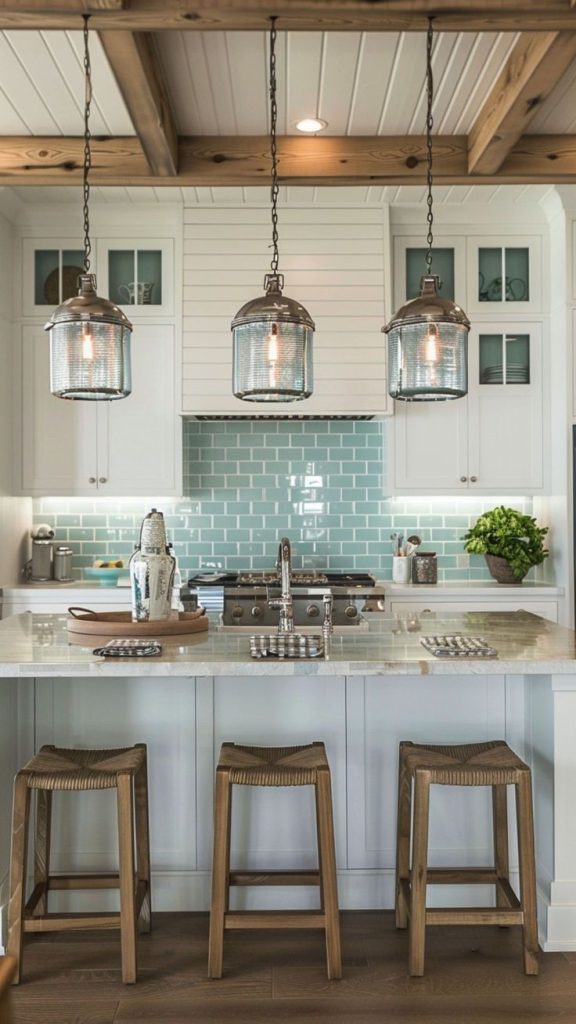
Color palettes in coastal modern design often lean towards neutral tones that evoke the beachy environment. Soft creams, calming grays, and gentle blues are popular choices, creating a sense of serenity and spaciousness. Using a limited color palette ensures that the space feels uncluttered and cohesive. Furthermore, neutral colors create a sense of tranquility and allow other design elements to shine. For instance, a soft seafoam green can add a touch of vibrancy without overwhelming the space, complementing the overall peaceful and natural ambiance. This restraint in the color scheme contributes to the style’s elegance and timeless appeal.
Integrating Accents for Visual Interest
While neutral colors form the foundation, strategic use of accent colors, like soft corals, sandy beiges, or pastel pinks, can inject pops of visual interest and warmth. These accents can add personality to the space without disrupting the overall tranquility. For example, a colorful throw pillow or a patterned rug can create a focal point, complementing the neutral backdrop. Utilizing contrasting colors for furniture and accessories can create visual interest in the otherwise calm color scheme.
Furniture and Accessories for Coastal Modern Design
Choosing Functional and Stylish Furniture Pieces
Furniture selection is crucial to the success of any coastal modern design. Opt for sleek, modern pieces with clean lines and minimalist silhouettes. Pieces featuring natural materials like wood or rattan, in neutral tones, are key aspects. Consider comfortable seating areas to create a relaxing environment that embraces comfort and style. For example, a simple but elegant sofa can be paired with a low-profile coffee table and comfortable armchairs to create a cozy seating area that embraces the effortless style of coastal living. Focus on furniture that seamlessly blends functionality with aesthetic appeal.
Complementing the Design with Appropriate Accessories
Accessorizing the space can add personality and warmth to the overall design. Introduce textures through throws, pillows, and rugs. Mirrors can visually enlarge the space and reflect natural light. Small decorative elements should complement the neutral colors, adding pops of color and visual interest. For example, seashells, driftwood, and other natural elements can bring the coastal aesthetic to life. Remember to maintain the balance of the design elements to avoid overwhelming the style.
Creating Coastal Modern Outdoor Spaces
Expanding the Design Aesthetic to Outdoor Living
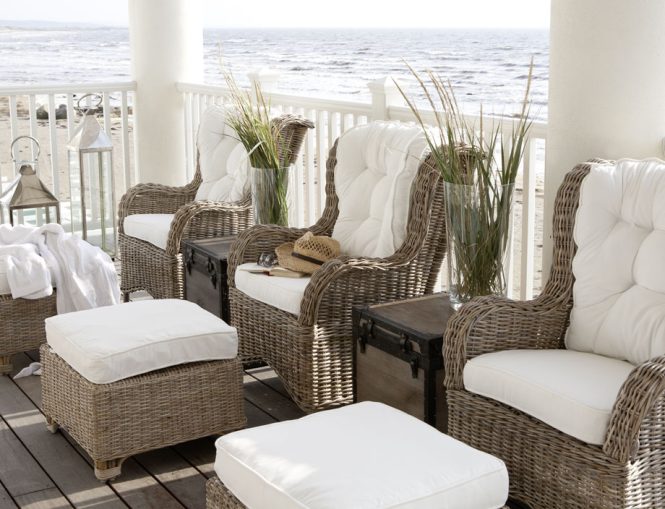
Extend the coastal modern aesthetic to your outdoor living spaces. Utilize large outdoor furniture pieces, in a modern style, to create a functional and aesthetically pleasing outdoor retreat. Integrating natural elements such as plants, wooden furniture, and stone accents creates a seamless transition between indoor and outdoor spaces. These additions add to the overall harmony and ambience of the space. For example, creating a covered patio with comfortable seating areas and outdoor dining options allows for enjoyable relaxation and entertaining in the fresh air. This design extends the concept of “living outdoors” to an ideal level.
Designing for Durability and Aesthetics
Choose materials resistant to weathering and use outdoor-appropriate textiles for upholstery. Consider features like outdoor kitchens, fire pits, and pergolas to enhance the usability and appeal of the space. These designs maximize the ability to utilize the space, while also creating a relaxing environment for outdoor enjoyment.
Budget-Friendly Coastal Modern Design
Cost-Effective Solutions for Achieving the Look
Achieving a coastal modern design doesn’t require breaking the bank. A key to success in a coastal modern style is to prioritize natural elements and focus on functionality over luxury. Consider opting for affordable natural materials like reclaimed wood or secondhand furniture for a unique touch. Repurposing existing items can also be a cost-effective approach to achieving the desired aesthetic. For instance, using whitewash paint on existing wooden furniture can dramatically improve its appearance and add a clean, coastal feel. Simple touches can transform existing pieces without major expenditure.
Creative Ways to Implement the Style on a Budget
Embrace DIY projects to add a personal touch and unique coastal feel. Upcycling and repurposing can transform ordinary items into stylish accessories for the home. Source accessories and decor from thrift stores and flea markets for more affordable alternatives. For example, a painted wooden crate can serve as a stylish side table.
Case Study: A Coastal Modern Renovation
Transforming an Existing Space with the Coastal Modern Style
Imagine a typical suburban home that has been renovated to embrace coastal modern design. Large windows and skylights were implemented to maximize natural light, giving the living space an airy and spacious feel. The walls were painted in soft neutral tones, creating a sense of serenity. Furniture consisted of comfortable seating and pieces constructed using natural materials, embracing the natural elements. The incorporation of outdoor living spaces creates an extension of the living area. The project’s success is largely a reflection of its thoughtful design strategy that emphasizes natural light and elements of the coastal aesthetic. The outcome, from a seemingly ordinary space, is a refreshing and inviting living area that embodies the essence of coastal modern design.
Maintaining the Breezy Atmosphere
Preserving the Fresh and Airy Feel
To maintain the breezy and light nature of the coastal modern style, regularly decluttering the space is essential. Minimalism is key, as clutter can quickly diminish the aesthetic. Regularly cleaning the space and removing unnecessary items ensures that the fresh feel and spaciousness of the design remain evident. Ensuring clean lines and keeping surfaces uncluttered contributes to the overall sense of tranquility. For example, regularly organizing storage solutions to maintain a sense of order will reinforce the spacious and airy feeling of the room.
Understanding the Role of Seasonal Changes
Consider incorporating seasonal elements to refresh the design without compromising its foundational principles. For example, fresh flowers, seasonal throws, and decorative objects can provide an update to the space, maintaining the appeal of the coastal design style while still being in line with the current season.
Choosing the Right Materials
Embracing Natural Elements in Design
Coastal modern design often embraces natural materials such as wood, rattan, linen, and stone for a calming and inviting atmosphere. The use of natural materials like bamboo and wicker can evoke a sense of tranquility. For example, utilizing bamboo shades can create a subtle design element while providing privacy and control over light. Natural materials harmonize with the overall coastal aesthetic, creating a cohesive and warm design.
Selecting Durable and Sustainable Options
When choosing materials, consider the durability and sustainability of your options. Sustainable materials often align with the principles of coastal modern design and contribute to a environmentally friendly lifestyle. This aspect is crucial in maintaining the design’s integrity over the long term and promotes a mindful approach towards design and building decisions. For instance, opting for reclaimed wood or sustainably sourced materials can enhance the home’s eco-friendly appeal while preserving its essence. Consider the lifecycle of the materials used in the process to ensure they support the desired aesthetics and lifestyle goals while being environmentally considerate. This promotes an emphasis on sustainability in your decisions.
In conclusion, Coastal Modern Design: Breezy and Light offers a refreshing approach to interior design, emphasizing natural light and airy spaces. By incorporating these principles, homeowners can create a tranquil and inviting atmosphere. This style is easily adaptable to various budgets and living spaces, from coastal homes to urban apartments. To embark on your own coastal modern design journey, consider exploring the resources and inspiration presented in this article. Explore the diverse array of design elements and discover how to personalize your space. Start your project today!