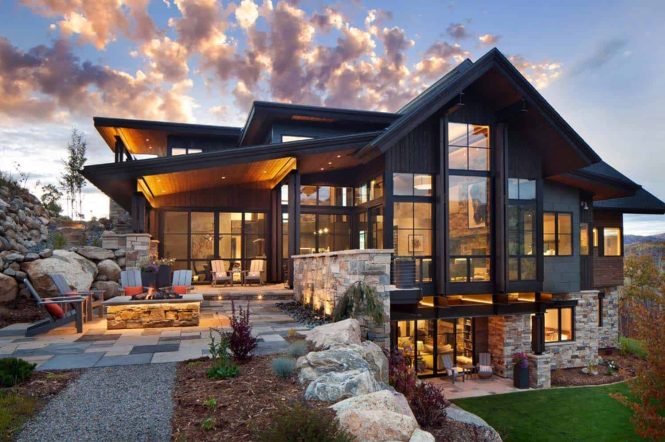
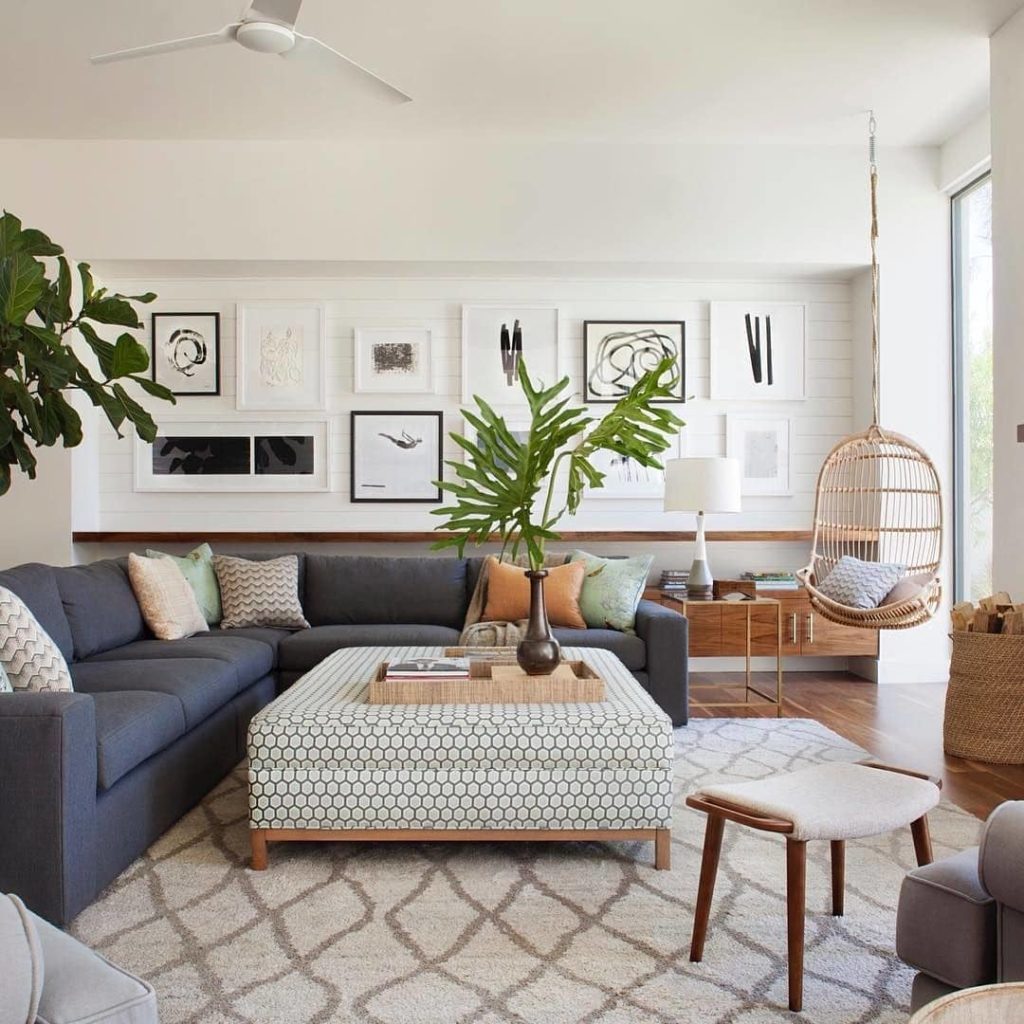
Contemporary Modern Design is shaping the future of living spaces, pushing boundaries and redefining aesthetics. It’s more than just a style; it’s a response to evolving needs and a celebration of innovative design. Many homeowners are struggling to find a blend of aesthetics, functionality, and sustainability within their projects. This article tackles this issue by exploring the most prominent contemporary design trends to create stylish and functional spaces. We’ll cover key themes, showcase practical examples, and outline how to implement these trends effectively. This comprehensive guide will provide you with everything you need to embark on your contemporary modern design journey!
Sustainable Design: Embracing Eco-Consciousness
Integrating Eco-Friendly Materials
Contemporary Modern Design is increasingly embracing environmentally conscious practices. Sustainable materials are becoming essential considerations, not just for ethical reasons but also for aesthetics. Recycled wood, bamboo, and reclaimed materials add unique character and warmth to spaces. Using natural materials like linen, hemp, and organic cotton in textiles creates an inviting and environmentally friendly atmosphere. Companies like IKEA are leading the charge, showcasing the potential of sustainable choices in their products. The rise in eco-consciousness reflects a significant shift in consumer preferences, underscoring the importance of incorporating sustainability into the design process.
Energy-Efficient Innovations
Energy-efficiency is a central theme in contemporary modern design. Smart home integration is no longer just a luxury but a necessity. Using lighting fixtures that maximize daylight, incorporating energy-efficient appliances, and utilizing smart thermostats are just some examples. The focus on energy-efficiency is not only cost-effective but also contributes to a smaller environmental footprint.
Promoting Circularity
Circular design principles are pivotal for creating sustainable spaces. Encouraging reusable furniture and long-lasting materials ensures a smaller impact on the environment. Promoting design that can be repurposed or easily dismantled supports a more eco-friendly design cycle.
Technology Integration: The Smart Home Revolution
Seamless Technology Integration
The merging of technology and design in contemporary modern spaces is undeniable. This fusion seamlessly integrates modern technology without sacrificing aesthetic appeal. Smart lighting systems, automated window coverings, and voice-controlled appliances create an efficient and aesthetically pleasing living experience. Many contemporary homes leverage smart technology to automate lighting schedules, adjust temperatures, and manage appliances remotely. The seamless blending of technology and design fosters a functional and visually engaging atmosphere.
Personalized Experiences
Contemporary design emphasizes creating personalized experiences. Utilizing smart home technology allows homeowners to tailor their living environments. The user-friendliness and intuitive control offered by these systems make them appealing. Smart homes can optimize lighting, music, and temperature settings for individual preferences, increasing comfort and personalization.
Future-Proofing Your Design
Considering future integration of technology in the design phase is crucial. With constantly evolving technology, incorporating modular and adaptable systems from the outset ensures long-term value.
Global Influences: Blending Cultures
Exploring Cultural Aesthetics
Contemporary modern design draws inspiration from diverse global influences. The fusion of East and West in interior design brings together different cultural aesthetics. Global influences are evident in the incorporation of unique fabrics, handcrafted elements, and traditional art forms into modern designs. These influences create a more dynamic and engaging environment.
Incorporating Unique Materials
Employing unique and varied materials is a significant component of contemporary modern design, reflecting the fusion of cultures. Materials like natural stone, hand-woven textiles, and locally sourced wood are used creatively to create designs that transcend cultural boundaries.
Creating Inclusive Spaces
Designers are increasingly creating spaces that embrace inclusivity and celebrate diversity. This approach emphasizes a variety of visual aesthetics and materials, reflecting the different facets of cultures and traditions. This trend creates a more welcoming and inclusive atmosphere that resonates with a global audience.
Minimalist Design: Simplicity and Elegance
Embracing Simplicity
Minimalist design principles continue to be a dominant trend in contemporary modern design. It emphasizes clean lines, simple shapes, and uncluttered spaces. The focus on essential elements creates a sense of calm and elegance. Minimalist design is often associated with a sense of serenity and sophistication.
Maximizing Space
Minimalism naturally enhances the feel of spaciousness. The removal of unnecessary items and the use of multifunctional furniture optimize the use of available space, creating a sense of openness and airy ambiance. Careful consideration of every detail contributes to a clean and uncluttered atmosphere.
Enhancing Functionality
Minimalist design prioritizes functionality. The use of multifunctional furniture pieces and strategically placed storage solutions enhances space efficiency while maintaining a clean and uncluttered look. This approach demonstrates a conscious effort to create a balanced and useful space.
Open-Plan Living: Seamless Flow
Maximizing Space
Open-plan living spaces are a defining characteristic of contemporary modern design, promoting a sense of spaciousness and freedom of movement. Removing partitions and incorporating flexible design elements create a harmonious flow.
Adaptability and Functionality
Open-plan designs offer adaptability and functionality. These spaces are adaptable to different needs and can easily transition between living, dining, and working areas. The fluid design ensures a welcoming space for both relaxation and productivity.
Enhanced Social Interaction
Open spaces encourage social interaction by facilitating connections between various areas of the home. This seamless design promotes greater interaction among family members and guests.
Q: What are some specific examples of contemporary modern design trends?
A: Specific examples include the use of sustainable materials like reclaimed wood and bamboo. Another example is the incorporation of smart home technologies to create a seamless user experience. Open-plan living spaces are also a defining characteristic. Minimalist designs emphasizing simple lines, clean colours, and uncluttered spaces are also prominent trends in Contemporary Modern Design. The blending of different global cultural influences in terms of aesthetics and materials is a noteworthy aspect of this current design style.
FAQ
Q: How can I incorporate contemporary modern design elements into my existing home?
A: You can incorporate contemporary modern elements into your existing home by focusing on a few key areas. Start by decluttering and removing unnecessary items. Choose multifunctional furniture, and use simple lines and shapes. Introduce clean colours and materials, focusing on texture. Incorporating statement lighting and thoughtful use of plants can also transform a space. Consider an open-plan layout to add spaciousness. Remember to choose pieces with durability and flexibility for long-term use.
In conclusion, Contemporary Modern Design: Current Trends showcases a dynamic evolution of aesthetics and functionality. From embracing sustainability to incorporating technology seamlessly, these trends are pushing the boundaries of what’s possible. If you’re a designer, architect, or enthusiast seeking to stay ahead of the curve, embracing these evolving trends is crucial to creating impactful and timeless spaces. Dive deeper into specific trends and discover how to implement them in your projects by consulting further resources, collaborating with professionals, and engaging with communities.