
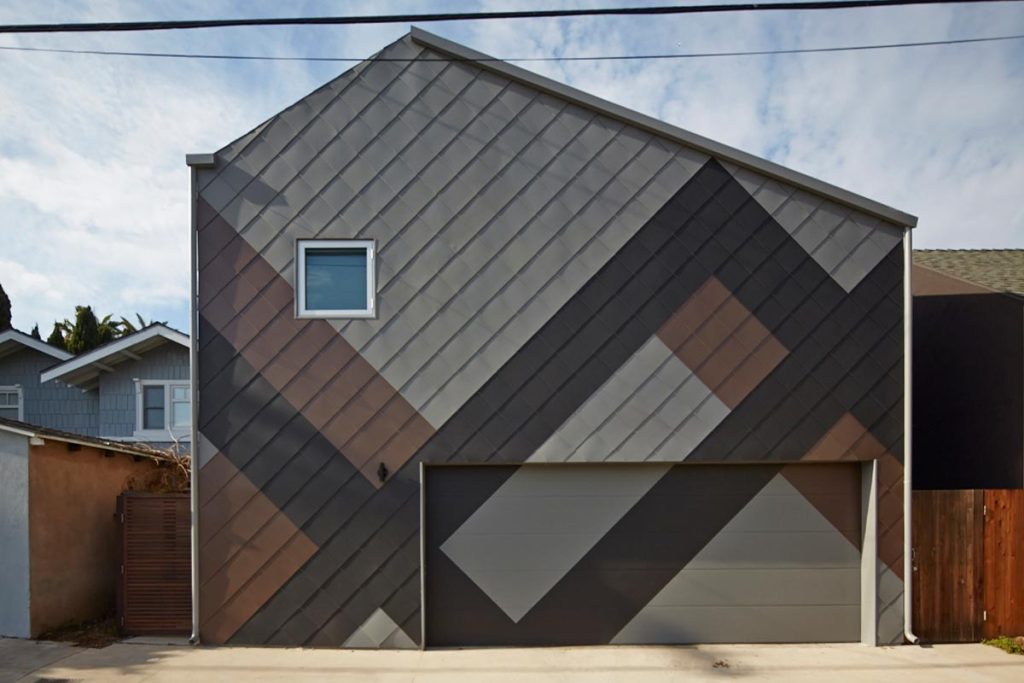
Materials in modern design are fundamental to creating impactful and sustainable products. From the sleek surfaces of a contemporary kitchen to the intricate patterns of a handcrafted vase, the materials chosen tell a story. Modern design is intrinsically linked to materials – their properties, textures, and availability dictate the very possibilities of creation. However, choosing the right materials presents significant challenges, especially given the increasing demand for sustainable and aesthetically pleasing solutions. This article will explore the importance of materials in modern design, delving into factors like sustainability, functionality, and aesthetic appeal. We will cover the critical aspects of material selection, explore different material types, and discuss how these choices shape the final design outcome. The structure of this article includes an overview of the importance of materials, followed by a deep dive into sustainable options, innovative materials, and how they impact design aesthetics, functionality, and longevity.
Understanding the Fundamental Role of Materials
The Influence of Materials on Design Aesthetics
Material selection plays a pivotal role in shaping the aesthetic appeal of a design. The visual texture, color, and finish of a material significantly impact the overall look and feel of a product or space. For instance, the smooth, polished surface of marble evokes a sense of luxury and sophistication, while the rough, textured surface of wood brings warmth and natural beauty. The choice of material is often dictated by the desired aesthetic, from minimalist to maximalist designs. A great example is the use of recycled plastic in furniture design, offering a stylish alternative that’s also environmentally conscious. This approach demonstrates how material selection can be aesthetically pleasing while addressing concerns about resource consumption.
Sustainable Materials: Eco-Conscious Choices
Prioritizing Sustainability in Material Selection
In today’s world, sustainability is a key concern for designers and consumers alike. Using environmentally friendly materials is crucial for creating designs that minimize their impact on the planet. Examples include bamboo, reclaimed wood, and recycled metals, each offering a sustainable alternative to traditional materials. These materials often require less energy to produce and have a lower carbon footprint, making them an excellent choice for eco-conscious designs. Consider the case of the growing demand for furniture made from recycled plastic bottles; this innovative use of waste materials not only conserves resources but also provides an environmentally sound solution to a global problem. Sustainable material choices are now a key selling point for products, as consumers are increasingly seeking out ethical and environmentally friendly options.
Innovative Materials: Pushing the Boundaries of Design
Exploring Emerging Materials and Technologies
Innovation in materials is constantly pushing the boundaries of design possibilities. New composite materials, advanced polymers, and bio-based materials are emerging as potential game-changers. These materials offer unique properties, such as enhanced strength, durability, and lightweight characteristics, enabling designers to create more innovative and functional designs. One prominent example is the development of 3D-printed architectural models using bio-based plastics, allowing for precise customization and rapid prototyping in the design process. These innovations not only enhance the functional aspects of design but also create new avenues for aesthetic expression, leading to designs that were previously unimaginable.
The Interplay of Materials and Functionality
Enhancing Functionality Through Material Selection
The choice of materials directly impacts the functionality of a design. Different materials possess various properties, such as strength, durability, and thermal conductivity. For example, high-strength materials are often preferred for structural components, while insulating materials are used to improve energy efficiency. This interplay is vital in various design disciplines, including architecture, product design, and fashion. Consider the use of lightweight materials in aircraft construction, which enhances both performance and fuel efficiency. This careful consideration of material properties allows designers to optimize the functionality of their designs and enhance user experience.
Materials and Design Aesthetics: A Synergistic Relationship
How Material Properties Impact Visual Appeal
Materials and design aesthetics are intrinsically linked. The texture, color, and finish of a material can evoke specific emotions and create a desired atmosphere. For example, the warm, natural tones of wood create a welcoming ambiance, whereas sleek, metallic surfaces project a sense of modernity. Furthermore, innovative surface treatments and coatings can enhance both the visual appeal and practical qualities of a product. Consider how leather upholstery in a furniture design exudes a sense of luxury, while the use of natural stone in a kitchen countertop adds a touch of sophistication. Material selection in design is not merely about functionality, but profoundly affects the psychological and emotional impact of the design on the user.
What role does material science play in modern design?
Material science plays a significant role in modern design by providing designers with the knowledge and tools to understand and utilize various materials effectively. It helps evaluate the physical and chemical properties of different materials, enabling designers to make informed decisions about material selection and application. This understanding allows for improved performance, durability, and aesthetic appeal. For instance, material science principles guide designers in choosing lightweight yet durable materials for aerospace applications or energy-efficient materials for construction.
How can designers incorporate sustainability into their material choices?
Designers can incorporate sustainability into material choices by prioritizing recycled or renewable materials, minimizing waste, and using less energy-intensive manufacturing processes. Selecting sustainable materials like bamboo or reclaimed wood, opting for environmentally friendly production methods, and designing for recyclability are all crucial steps. Examining the lifecycle of the material from raw material sourcing to product disposal is also vital for ensuring sustainability.
What are some examples of innovative materials used in contemporary designs?
Examples of innovative materials include bio-based plastics, composite materials, and advanced polymers. Bio-based plastics provide a sustainable alternative to traditional petroleum-based plastics, while composite materials offer enhanced strength and durability. 3D-printing technologies are revolutionizing design, allowing for intricate and customized designs using a variety of materials.
What are the environmental implications of material choices?
Material choices significantly impact the environment. Some materials require substantial energy to produce, and others contribute to pollution during manufacturing or disposal. Sustainable material choices are key to minimizing environmental impact. Carefully considering the lifecycle of a material and opting for recycled or renewable options can contribute to a more environmentally responsible design process.
Frequently Asked Questions
What are the key factors to consider when selecting materials for a design project?
When choosing materials, consider factors like sustainability, cost-effectiveness, durability, aesthetics, and functionality. Thorough research and understanding of the material properties are vital to ensure the design meets the desired criteria and avoids potential issues down the line. This thorough assessment of pros and cons and evaluating the impact of the choice on the environment, budget, and overall experience will ensure a successful design project.
In conclusion, the importance of materials in modern design cannot be overstated. From sustainable choices to innovative applications, materials play a crucial role in shaping the aesthetics, functionality, and sustainability of products and environments. By carefully considering material properties and trends, designers can create more impactful, durable, and environmentally responsible designs. To explore this further, consider taking a design course or exploring resources on sustainable design principles. Your next design project will benefit from understanding these concepts better.