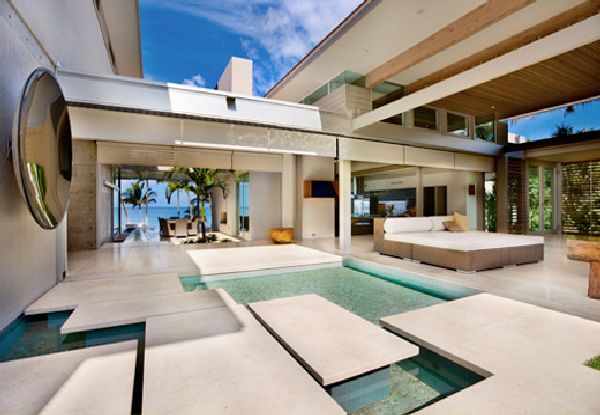
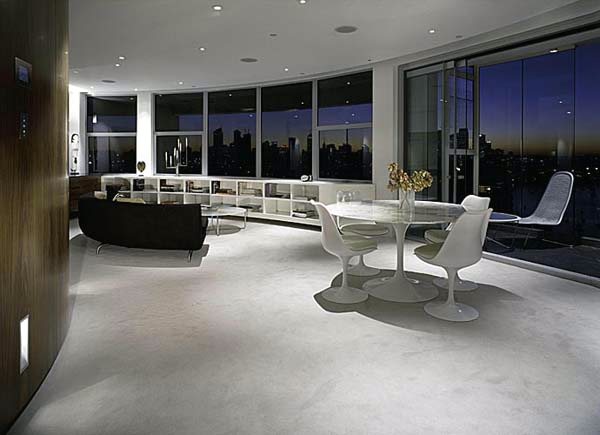
Modern design for different spaces is a powerful concept that seamlessly integrates aesthetics with practicality. It’s a design philosophy that doesn’t shy away from innovation, embracing versatile styles that can be adaptable to any home or office. This approach recognizes that design should not just be visually appealing, but also functional and emotionally engaging. Many homeowners and businesses face the challenge of translating their visions into reality, balancing aesthetic choices with practical constraints. This article will walk you through various aspects of modern design, helping you tailor it to different spaces, from cozy homes to vibrant offices.
Embracing Versatility in Modern Design
Understanding the core principles of modern design
Modern design, at its heart, prioritizes simplicity, functionality, and clean lines. It often incorporates elements of minimalism, emphasizing a streamlined aesthetic that minimizes clutter and maximizes space. This approach resonates with diverse living styles, making it adaptable to any space from a cozy studio apartment to a grand estate. Moreover, modern design emphasizes the use of neutral tones, allowing for a canvas of possibility for personal expression through strategically chosen accessories and decor. The underlying philosophy isn’t merely about creating visually appealing spaces; it’s about fostering environments that feel both aesthetically pleasing and conducive to everyday living.
Exploring Design Trends in Different Environments
Modern design isn’t a static style; it’s a living entity. New technologies, societal trends, and artistic influences constantly shape its direction. From the resurgence of organic shapes in interior design to innovative lighting solutions, the modern design landscape is ever-evolving.
Today’s modern designs emphasize the use of natural light, a direct connection to nature through the use of plants, and sustainable materials. This approach aligns with increasing consumer interest in eco-friendly solutions.
The minimalist movement, which has its roots in modernism, persists, with its emphasis on uncluttered spaces and neutral color palettes. These elements are crucial to the creation of calm and relaxing spaces in any setting.
Tailoring Modern Design to Residential Spaces
Optimizing Space in Small Apartments
Modern design excels in creating the illusion of spaciousness in smaller apartments. Utilizing light and airy color palettes, strategic furniture choices, and cleverly designed storage solutions are paramount to maximizing the visual impact of the area. Mirrors strategically placed can effectively expand a room’s perceived size. Additionally, multi-functional furniture items are crucial. For instance, a sofa bed can serve dual purposes for a guest room.
Creating Cozy and Inviting Living Areas
Modern design can also be uniquely cozy and welcoming. A balanced approach involves selecting furniture that offers both style and comfort, and choosing textures that create a warm atmosphere.
Soft lighting, strategically placed rugs, and carefully chosen textiles create a welcoming environment.
Incorporating natural elements such as plants or a fireplace can significantly increase a room’s appeal and atmosphere.
Modern Design for Commercial Spaces
Creating Dynamic Office Environments
Modern design in commercial settings often prioritizes functionality and productivity. Open floor plans, featuring natural light, contribute to a more collaborative and dynamic work atmosphere. Strategic use of color, along with suitable lighting, impacts mood, focus, and creativity.
Building a Brand Identity through Design
Businesses often seek to showcase their brand identity through their commercial spaces. Modern design allows for the incorporation of brand colors and logo elements in subtle yet impactful ways.
From carefully chosen materials to specific lighting fixtures, the design choices reinforce the business’s brand message, creating a memorable experience for clients and employees alike.
For example, a tech company might use sleek lines and minimalist decor to project an image of innovation and efficiency.
Incorporating Sustainable Practices
Prioritizing Eco-friendly Materials
Modern design is increasingly incorporating sustainable practices. One key aspect is the use of eco-friendly materials, such as recycled wood, bamboo, and reclaimed metals. These choices lessen the environmental impact while maintaining a stylish aesthetic. This consideration aligns with a growing trend toward environmentally responsible design choices.
Minimizing Energy Consumption
Modern design strategies also focus on minimizing energy consumption. This involves employing energy-efficient lighting, using natural light whenever possible, and utilizing smart home technologies. This commitment is reflected in increasing popularity and use of smart home technology.
Many architects are now integrating energy-efficient designs, such as solar panels and improved insulation into their projects.
The Role of Technology
Integrating Smart Home Systems
Modern design increasingly integrates smart home systems. These systems allow for automation of lighting, temperature control, and entertainment, enhancing convenience and efficiency. This integration is making smart home systems increasingly popular.
Using Digital Tools for Design
Digital tools are becoming invaluable in the design process. Software such as AutoCAD and Revit allow for precise planning and visualization, minimizing errors and streamlining the design process.
Frequently Asked Questions
What are the key elements of a modern design for a home?
Key elements of modern design for a home include clean lines, minimalism, neutral color palettes, and the strategic use of natural light. Multifunctional furniture and thoughtful storage solutions contribute significantly to a well-functioning and aesthetically pleasing space. Focusing on the integration of technology and sustainable materials also reflect a contemporary approach.
How can I make my home office feel modern and productive?
To create a modern and productive home office, prioritize a clear workspace, optimized for natural light, and effective storage solutions. Incorporate ergonomic furniture and consider the use of color psychology to create a focus-friendly space. Smart lighting and sound systems further enhance productivity and comfort in the modern home office.
In conclusion, modern design principles offer a dynamic approach to crafting aesthetically pleasing and functional spaces for diverse needs. By thoughtfully considering individual preferences, trends, and practicality, you can create truly unique and inspiring environments. Remember, modern design is not just about aesthetics; it’s about creating spaces that enhance lives and respond to contemporary needs. To start your modern design journey, explore the resources and inspiration provided in this article. Dive deeper into the world of modern design by visiting our dedicated blog or contacting our team for personalized consultations.