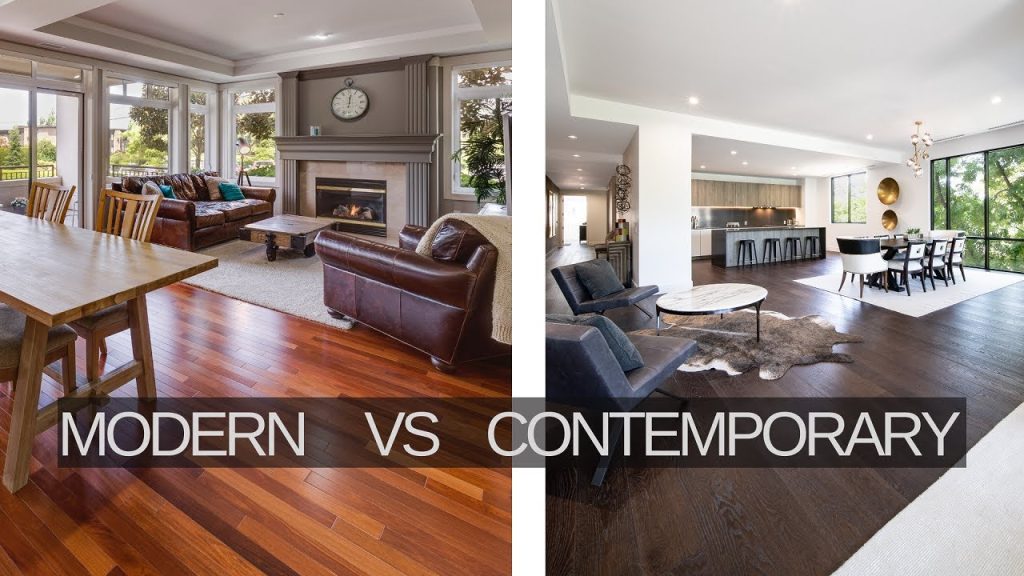
Modern design vs contemporary design is a crucial distinction for anyone venturing into interior design or architecture. This stylistic divide often confuses homeowners and professionals alike, leading to design dilemmas. Understanding the core principles and aesthetics of each will help you choose the perfect approach for your project. This comprehensive guide will delineate the differences between modern design and contemporary design, providing a clear framework to navigate the world of design aesthetics and make informed decisions. We’ll cover everything from historical context to modern interpretations and provide examples and case studies to illustrate the key distinctions. Let’s dive into the exciting world of design choices!
Historical Context and Origins:
Modern Design Roots
Modern design emerged in the early 20th century, a reaction against the ornate styles of the Victorian era. Key figures like Le Corbusier and Frank Lloyd Wright championed simplicity, functionality, and a focus on materials. Modernism aimed to create spaces that were both beautiful and practical, emphasizing the use of geometric shapes, clean lines, and natural materials. This era was marked by a profound shift in design philosophy, rejecting traditional ornamentation and embracing a new aesthetic. This period saw a rise in the use of glass, steel, and concrete, materials that offered both structural and aesthetic advantages.
Contemporary Design Evolution
Contemporary design evolved from modernism, drawing inspiration from it but incorporating a wider range of influences and approaches. While modern design adhered to specific principles, contemporary design acknowledges a diversity of inspirations, including historical styles, international trends, and personal interpretations. It embraces a broader aesthetic spectrum encompassing a wider range of colors, materials, and textures. Contemporary design is more fluid and adaptable, reflecting the ever-evolving tastes and cultural shifts.
Key Characteristics:
Modern Design Essentials
Modern design is characterized by its clean lines, simple forms, and focus on functionality. The use of geometric shapes, neutral color palettes (often grays, whites, and blacks), and natural materials is prevalent. A key element is the integration of the structure and form of the space. Functionality often dictates the space’s layout, and materials are chosen for both their strength and appearance.
Contemporary Design Versatility
Contemporary design, in contrast, is more flexible and embraces a wider variety of styles and aesthetics. While clean lines can still be found, contemporary design often incorporates elements of art and creativity. It’s a style that can incorporate diverse patterns, textures, colors, and a wider range of materials. It’s this versatility that makes contemporary design so appealing to modern consumers.
Application in Different Contexts:
Modern Design in Residential Spaces
Modern design is well-suited for creating spacious and airy homes. The emphasis on simplicity and clean lines creates a sense of calm and tranquility. Modern residential spaces often feature large windows, open floor plans, and a focus on natural light. A perfect example of a modern home is one built by Frank Lloyd Wright, integrating nature with the built form, with a focus on natural light and the harmony between the architecture and its surroundings. Modern design can work incredibly well in a variety of homes, be it a compact apartment or an expansive country estate.
Contemporary Design in Commercial Settings
Contemporary design often finds a home in commercial spaces. Its versatility allows for adaptability to diverse environments. From corporate offices to retail stores, contemporary design can create a unique aesthetic that reflects the brand’s personality and values. Its adaptability in commercial spaces allows it to quickly respond to design trends.
Influence of Trends:
Modern Design’s Enduring Appeal
Modern design principles, despite their age, have endured and continue to influence current trends. The emphasis on simplicity and functionality remains highly desirable. Often seen in minimalist designs or in the creation of high-end minimalist living spaces, the concepts behind modern design remain powerful drivers of aesthetic choices, reflecting a desire for clean lines and well-designed spaces.
Contemporary Design’s Embrace of Innovation
Contemporary design seamlessly adapts to current trends and technological advancements. It’s a dynamic style that incorporates cutting-edge materials, innovative technologies, and a willingness to push boundaries. The inclusion of advanced technologies, such as smart home features or sustainable materials, is often an essential element in contemporary design.
Choosing the Right Style:
Modern Design Criteria
When considering modern design, the focus is on functionality and simplicity. Consider elements like open spaces, natural light, and the strategic use of materials. A modern space often maximizes the use of space, employing clever layouts and storage solutions. This style will suit individuals who value clean lines and a well-organized space.
Contemporary Design Considerations
Contemporary design is characterized by its adaptability and embrace of new trends. When making the choice, consider elements like textures, colors, and the ability to incorporate both the new and old to create a unique design aesthetic. This versatility caters to individuals seeking a more expressive and evolving design statement.
Additional Considerations:
Budget and Space
The budget and available space can play significant roles in the design process. Modern design often translates into more streamlined space utilization while contemporary design can be more adaptable, allowing for more creative design approaches.
Personal Preferences
The final design choice is ultimately personal. Understanding your personal preferences and lifestyle is paramount in selecting the right style for your specific needs. This is fundamental to making a decision for the right aesthetic that speaks to your unique values and taste.
Case Studies and Examples
Modern Design Examples
The work of Frank Lloyd Wright exemplifies modern design principles, with buildings often characterized by their integration with nature and focus on space and form. The Guggenheim Museum is another standout example of modern architecture, exhibiting the clean lines and unique spatial arrangements of the style.
Contemporary Design Examples
The use of bold colors and innovative materials in modern homes demonstrates contemporary design principles at work. The incorporation of vibrant colors, unique furniture pieces, and advanced materials create a space that embraces the present.
Summary and Conclusion (updated)
Modern and Contemporary design offer distinct approaches to design. Modernism focuses on clean lines, simplicity, and function, while contemporary embraces innovation, and personal expression. Knowing the differences in these two styles is critical to navigating the complexities of modern design choices. The choice between modern and contemporary design ultimately comes down to personal preference, lifestyle, and the specific goals of the design project.
Tips for Choosing the Right Design:
Consult Professionals
Consulting an interior designer or architect offers invaluable insights into selecting the best approach for your specific project, including budget considerations and space optimization.
Understand Your Needs
A clear understanding of personal preferences and the desired aesthetic of the space is paramount in selecting the correct design approach. Careful consideration of these needs will ensure that the chosen style caters to both your practical and aesthetic desires.
Frequently Asked Questions:
What are the key differences between modern and contemporary design?
Modern design emphasizes clean lines, simplicity, and functionality, often using minimalist aesthetics, while contemporary design is more flexible, embracing a range of styles and incorporating innovation, trends, and personal interpretation. Modern design is rooted in the principles of the 20th century, while contemporary design adapts to the present-day influences, with an emphasis on incorporating cutting-edge materials and designs. This difference is fundamental to understanding the choice between the two.
How can I incorporate elements of modern design in my home decor?
Integrating modern design elements into your home decor can be achieved through several methods. Firstly, focus on clean lines in furniture and accessories; secondly, opt for neutral color palettes to create a sense of calm; and thirdly, maximize the use of natural light by using large windows and reflective surfaces. Modern decor incorporates a focus on clean lines, using lighting effectively and strategically placed to showcase space, and selecting pieces that are aesthetically pleasing while also serving a purpose.
In conclusion, choosing between Modern and Contemporary design hinges on individual preferences and project goals. Modern design prioritizes clean lines, functionality, and minimalism, while Contemporary design embraces innovation, experimentation, and a broader spectrum of styles. Ultimately, understanding the nuances of each approach enables informed decisions for any design endeavor. For a deeper dive into choosing the perfect design for your project, consider consulting with a professional interior designer. They can help guide you through the complexities and assist in creating a space that seamlessly blends style and functionality.