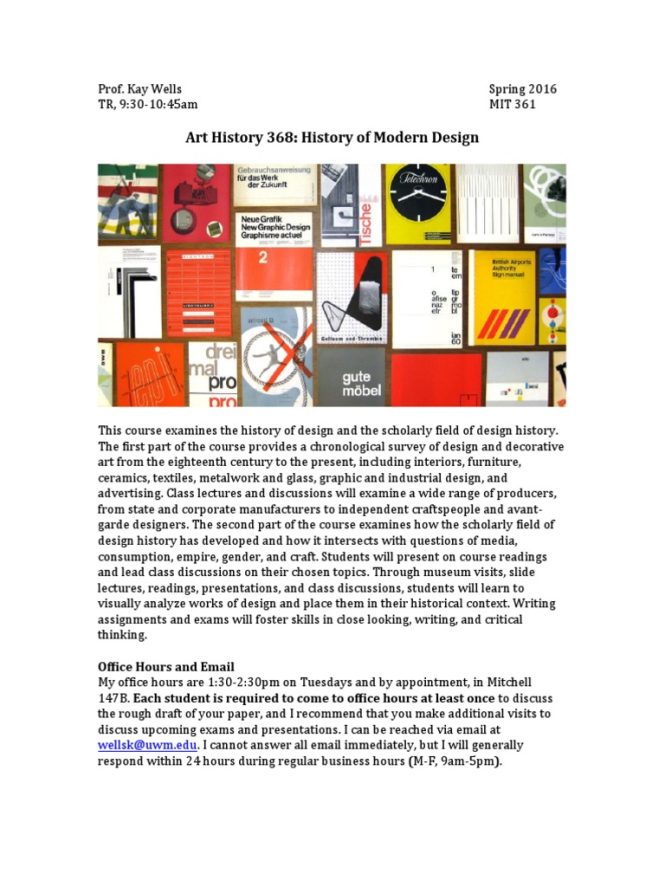

The Modern Design Evolution is a fascinating journey through time, tracing the transformative influence of design principles on society and culture. This ever-evolving landscape, shaped by social, technological, and aesthetic shifts, has profoundly impacted the way we live, work, and interact with the world around us. This article examines the key milestones and influences that have shaped the modern design aesthetic. It uncovers the core principles, challenges, and triumphs of this ongoing transformation. We’ll navigate from the pioneering work of the Bauhaus movement to contemporary design trends, identifying the crucial threads that bind them together and understanding the enduring appeal of impactful modern design.
Pioneering the Modern Era: The Bauhaus Movement
Key Principles and Impact
The Bauhaus movement, a pioneering design school founded in Germany in the 1910s, profoundly impacted the evolution of modern design. The school emphasized a holistic approach to design, combining art, crafts, and technology to create functional and aesthetically pleasing objects. This interdisciplinary approach, championed by visionary figures like Walter Gropius, aimed to establish a new aesthetic built on principles of utility and honesty. The Bauhaus style embraced simplicity and rationality, favoring clean lines, geometric forms, and the use of industrial materials. This movement deeply influenced subsequent design trends. Consider the influence of the Bauhaus principles on furniture design, demonstrating its effect beyond the realm of architecture.
The Rise of Functionalism and Material Innovation
Exploring the Impact of Industrialization
The rapid industrialization of the 20th century dramatically altered the manufacturing landscape, providing new materials and techniques for design. The demand for mass-produced, affordable products influenced designers to prioritize functionality and efficiency. This shift from handcrafted artisanal pieces to industrialized mass-production led to a significant evolution in modern design thinking. Consider the iconic designs of Charles and Ray Eames and their innovative use of molded plywood. They effectively merged functionality with a contemporary aesthetic, creating furniture that was both practical and appealing.
Post-War Modernism and Abstract Expressionism
Cultural Context and Design Inspiration
The post-World War II era saw the emergence of a new wave of modern design, influenced by the post-war optimism and a longing for a better future. Designers embraced new materials and technologies while striving for functionality, efficiency, and a touch of emotional expressiveness. The rise of abstract expressionism in the arts also infused design with an emphasis on experimentation and visual innovation. Consider the sleek designs of the 1950s and 60s, demonstrating the intersection between design, technology, and cultural shifts. These designs often reflected a new confidence and optimism.
The Rise of Minimalism and Postmodernism
Exploring Contrasting Styles
The minimalist movement, which emerged in the 1960s, challenged established design principles and embraced a more pared-down approach. Emphasis shifted toward clean lines, neutral colors, and a focus on functionality. In contrast, Postmodernism brought a renewed interest in ornamentation, craftsmanship, and a playful approach to design. This era saw a conscious embrace of historical styles and a blend of various design elements. This period demonstrates the cyclical nature of design trends, with certain aesthetics being revived in response to cultural movements.
Contemporary Design and Beyond
Exploring Sustainability and Technology
Contemporary design has evolved to embrace sustainability and technological advancements, reflecting the demands of a globalized and environmentally conscious world. Designers are now exploring eco-friendly materials, innovative manufacturing processes, and user-centric approaches to design. The integration of technology, from smart homes to interactive products, significantly shapes contemporary design’s direction. Consider the use of sustainable materials and the integration of technology in various product designs, reflecting society’s current values.
Frequently Asked Questions
What is the significance of the Bauhaus movement in modern design?
The Bauhaus movement is hugely significant because it established a new framework for modern design by emphasizing functionality, practicality, and the use of industrial materials. It laid the foundation for the interdisciplinary approach that continues to define much of modern design.
What are some of the key trends in contemporary design?
Several significant trends emerge in contemporary design. These include a greater focus on sustainability and eco-friendly materials, the integration of technology into everyday products, and user-centric designs focusing on functionality. The increasing prevalence of recycled materials and circular design principles is another key shift.
In conclusion, the evolution of modern design reflects a continuous pursuit of innovation, functionality, and aesthetic appeal. From the Bauhaus movement to contemporary minimalism, designers have constantly adapted to societal shifts and technological advancements. Understanding this evolution empowers us to appreciate the beauty and impact of design in our daily lives. To delve deeper into this fascinating journey, I encourage you to explore specific design movements further. Consider subscribing to design blogs or following prominent designers on social media for continuous inspiration and insights into the ongoing evolution of design.