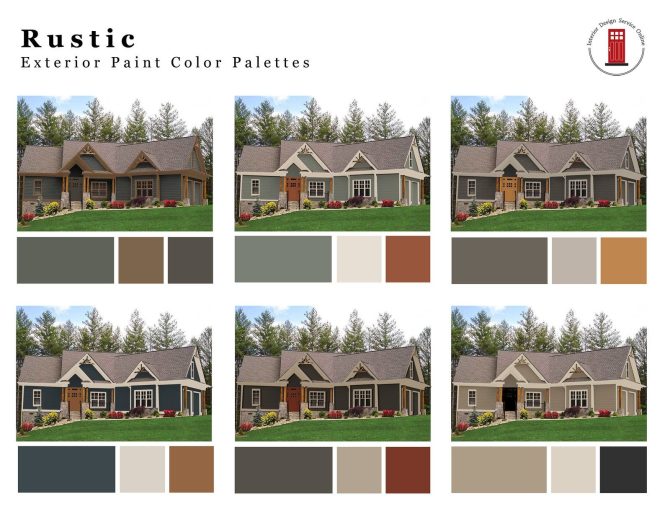
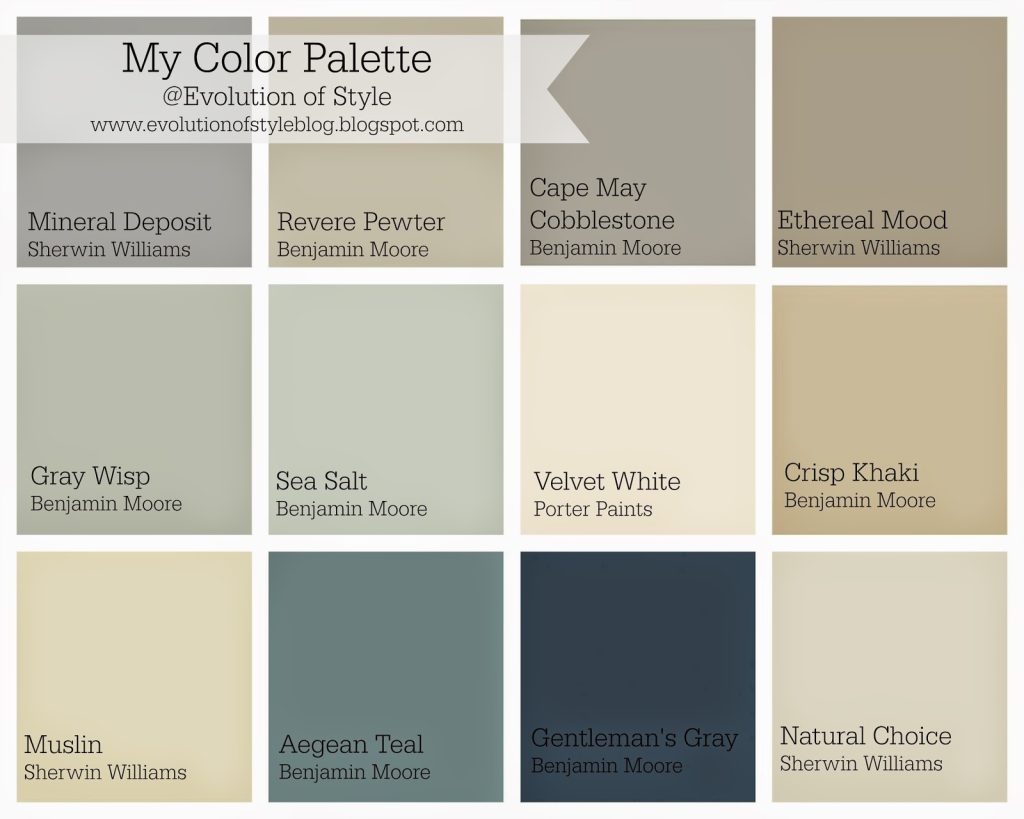
Exterior color palettes are the first impression of your home, influencing everything from curb appeal to property value. Choosing the right hues can make a house stand out from the crowd or blend seamlessly into its surroundings. This comprehensive guide dives into the nuances of selecting exterior color palettes, offering practical strategies to enhance your home’s aesthetic and create a welcoming environment. We’ll explore different styles, trends, and practical considerations, from analyzing architectural elements to understanding how color psychology impacts your exterior design. Ready to transform your home’s exterior? This guide will walk you through each step.
Understanding Your Home’s Architectural Style
Analyzing Architectural Elements
Choosing the right exterior color palette starts with understanding your home’s architectural style. Different styles call for different color schemes. For example, a traditional colonial home might look best with softer, more muted colors, while a contemporary modern house could benefit from bolder, more vibrant hues. A deep understanding of architectural details and features helps you choose a palette that complements and highlights these elements, not clashes with them. Careful observation of the existing architectural style, including window and door configurations, rooflines, and siding materials can help to inspire your exterior design. A consultation with an architect or interior designer can also be valuable for a broader perspective on this facet of design.
Matching Colors to Architectural Features
Consider how the chosen exterior color palette interacts with your home’s architectural details. If your house has intricate carvings or detailing, you might want to emphasize those features with a contrasting color. Similarly, if you have large windows or prominent doors, consider accentuating them with colors that complement the surrounding walls. Think about the size and shape of windows and doors; how will these colors interact with the overall look of the house? Consider how natural light interacts with colors too.
Exploring Color Trends and Styles
Staying Updated with Current Trends
Exterior paint colors are influenced by current trends, which can range from classic hues to bolder, more innovative shades. Staying up-to-date on these trends helps you choose colors that enhance your home’s aesthetic appeal and create a sense of harmony with surrounding properties. Keeping abreast of current trends is vital for selecting modern and stylish colors that are not dated quickly. An examination of recent design magazines and home renovation shows reveals current trends.
Combining Colors for a Harmonious Look
Creating Color Harmony
Color harmony in exterior design is essential for creating a visually appealing home. A balanced combination of colors on the exterior of your home creates a sense of unity and cohesion. Color theory principles, such as complementary, analogous, and monochromatic color schemes, can be applied to achieve a harmonious effect that aligns with the desired aesthetic. Understanding these principles ensures your color choices enhance your property instead of detracting from its overall appearance.
Incorporating Personal Preferences and Style
Reflecting Your Personality
The most crucial element in selecting an exterior color palette is reflecting your personal taste and style. Ultimately, the colors you choose should express your personality and convey your unique style. Consider the feeling and ambiance you desire for your home; the colors should accurately portray the atmosphere you envision. A careful consideration of your preferences and the emotions these colors evoke is vital for making the right decision. Consider what emotions the colors trigger.
Practical Considerations for Choosing Colors
Matching Colors to Landscape and Surroundings
Your exterior color palette should complement the surrounding landscape and neighborhood. Consider the natural elements surrounding your home, including trees, flowers, and other landscaping features. Color palettes that contrast with the environment might appear jarring and out of place. Conversely, a color scheme that harmonizes with the surroundings creates a cohesive and visually appealing effect. This is about creating harmony between the home and the natural surroundings.
How do I choose colors that complement my house’s architectural style?
Carefully analyze the architectural details of your house. Identify key features like the roofline, window shapes, siding materials, and any decorative elements. Select colors that either enhance or complement these details. For example, if your home has a distinctive gabled roof, choosing a contrasting color for the roof and siding might accentuate this element. The key to this process is understanding how the colors you choose will interact with the architecture. Do they create a pleasing visual effect or just clash?
What is the role of color psychology in exterior design?
Color psychology plays a significant role in exterior design by influencing the mood and atmosphere of your home. Warm colors, such as reds and yellows, tend to evoke feelings of warmth and energy, while cool colors, such as blues and greens, create a sense of calmness and tranquility. The choice of colors should reflect the desired ambiance of your home, from inviting guests to relaxing in the garden. It’s about creating a welcoming exterior that reflects the desired mood and energy of your living space.
How do I find reliable sources for exterior color palettes?
Consult with a professional painter or contractor for personalized recommendations. They can offer valuable insights based on their experience and expertise in exterior painting projects. Also, explore online resources that provide comprehensive color palettes with detailed explanations of how they work in various exterior environments. Color palettes can be found in magazines, websites, and blogs dedicated to design, interior, and exterior coloring.
Frequently Asked Questions
What are some popular exterior colors for a modern home?
Popular exterior colors for modern homes often include sophisticated neutrals like gray, black, and white, as well as bolder shades of blue, green, and even deep terracotta. These contemporary colors create a sense of sleekness and sophistication, while still complementing modern architecture. These colors are known for their versatility; their ability to blend well with contemporary architectural styles and the natural landscape.
In conclusion, choosing the right exterior color palettes is crucial for enhancing curb appeal, increasing property value, and reflecting personal style. This comprehensive guide has explored various factors, from architectural style to personal preferences, and provided practical tips for making informed decisions. Remember to consider your home’s existing features, the surrounding landscape, and your own aesthetic vision. By following these guidelines and seeking professional advice when needed, you can create a stunning exterior that you’ll love for years to come. Contact a local contractor or painter for a free consultation and estimate for your exterior painting project today.