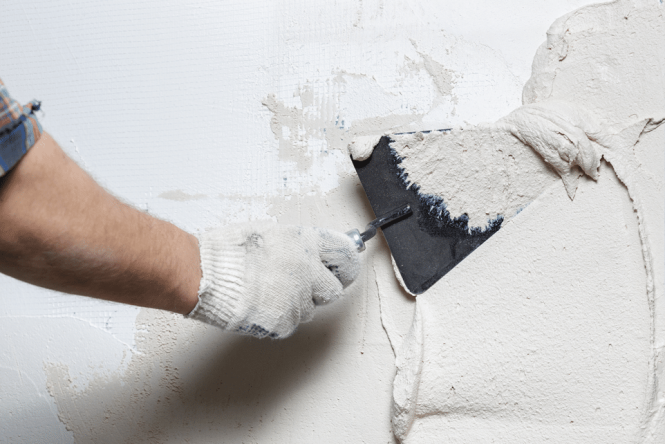
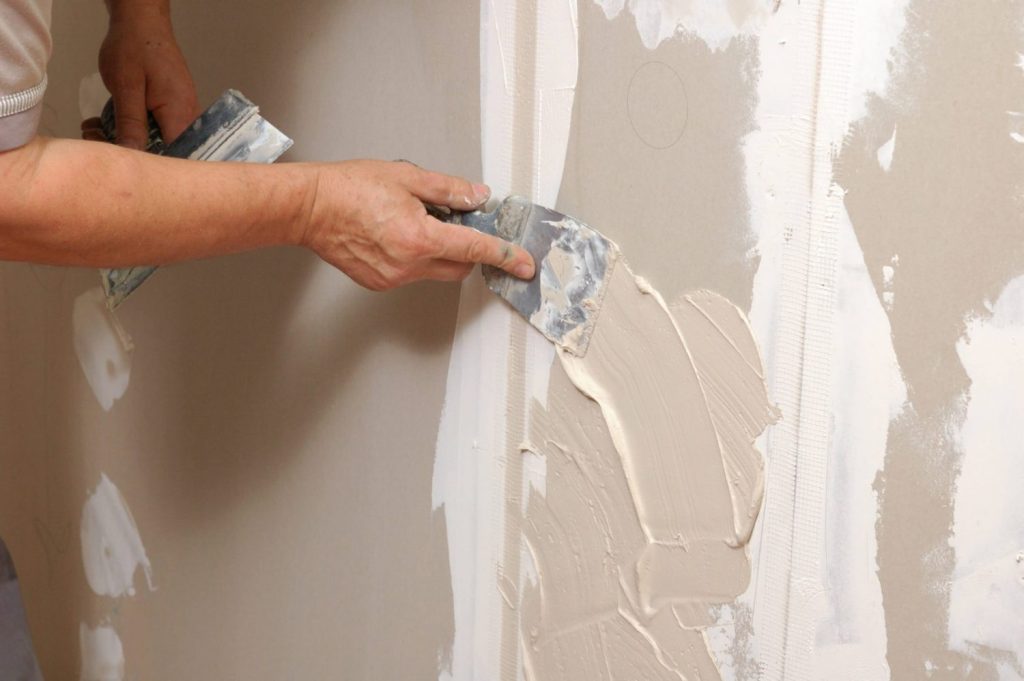
Wall repairs: patching and painting are crucial for maintaining a house’s structural integrity and aesthetic appeal. Imagine walking into a room with a chipped or cracked wall – it instantly detracts from the overall atmosphere. This guide will walk you through various wall repair methods, focusing on patching and painting techniques, making your home look its best. We’ll address common problems and provide solutions, from minor imperfections to more substantial damage. We’ll guide you through the entire process, from initial assessment to final finishing touches, and explain the importance of each step.
Initial Assessment: Identifying the Damage
Identifying the Type of Damage
Understanding the type of wall damage is crucial for determining the right repair method. Cracks, holes, dents, and peeling paint are some common issues. Some may require a simple patch, while others may call for more involved methods. For example, a small hole in drywall might just need a patch, but a large crack could signal a deeper structural issue, requiring the attention of a professional. Proper identification ensures efficient and effective repairs. Different wall materials like drywall, plaster, or brick require different types of repair techniques.
Assessing the Extent of the Damage
The severity of the damage also plays a significant role in the repair process. Is it a minor imperfection or more significant damage that requires a substantial repair? This assessment dictates whether you can handle the repair yourself or require professional assistance. A small, superficial crack in drywall might be a quick fix but a major structural crack could require more involved procedures like installing supporting braces or replacing affected sections. Understanding the extent of the damage will guide you to the right solution.
Choosing the Right Materials
The right choice of repair materials can save you a lot of time and effort. Different types of damages require different materials. For example, a small hole in the wall might be easily filled with spackle, but a large hole might necessitate patching with drywall compound or specialized patching materials. The materials used directly affect the quality and longevity of the repair.
Patching Techniques: Repairing Holes and Cracks
Preparing the Wall for Patching
Before patching any wall damage, it’s essential to thoroughly clean the area. This will remove loose debris and ensure proper adhesion of the patch. Remove any loose or flaking paint, dust, or other debris. This crucial first step ensures the repair will last. Using a putty knife, clean any loose debris and ensure the surface is smooth.
Applying the Patch
Select the appropriate patch material based on the size and type of damage. Apply the patch material according to the manufacturer’s instructions. Ensure proper coverage and a smooth finish to avoid any imperfections. Allow adequate drying time as per the instructions for the chosen patching compound. Overlapping the patch will strengthen it.
Finishing Touches
Once the patch is dry, smooth the area using a sanding block or sandpaper. Ensure the patch blends seamlessly with the surrounding wall. A final touch-up with primer and paint is often necessary to create a flawless finish, and will ensure longevity.
Painting Techniques: Enhancing Your Walls
Choosing the Right Paint
Selecting the correct type of paint is critical. Consider factors like the wall type (drywall, plaster, or brick), the desired finish (matte, satin, or gloss), and the amount of light exposure. Different paints have varying properties, and choosing the wrong type can lead to problems. Latex paints are generally recommended for interior use, while exterior paints are formulated for outdoor conditions. High-quality paints often offer superior durability and coverage.
Preparing the Walls for Painting
Before painting, ensure the wall is clean, dry, and free from any imperfections. Fill any holes or cracks with spackle and smooth the area. Use a primer to create a smoother surface and ensure better adhesion of the paint. This is crucial for even paint coverage and longevity.
Applying the Paint Evenly
Use a paint roller for large areas and a brush for detail work. Apply thin coats in the direction of the wall’s grain. Allow each coat to dry completely before applying another. This will help achieve an even and consistent finish.
Common Problems and Solutions
Identifying and Addressing Peeling Paint
Peeling paint is a common issue, and the root cause often involves moisture or improper preparation. Determine the cause of the peeling and address it before painting. Removing the old, loose paint and priming the wall thoroughly are crucial steps in avoiding future issues. Using a moisture barrier can help prevent future issues.
Dealing with Wall Cracks
Different types of wall cracks need different approaches. Small, hairline cracks can be addressed with patching compounds, while larger cracks may require professional intervention. Addressing the underlying cause of the crack, such as structural issues or moisture, is essential for preventing future problems.
Handling Moisture Damage
Moisture can lead to significant wall damage and even structural issues. Identifying and addressing the source of the moisture is crucial. Employing moisture-resistant materials and ensuring proper ventilation can minimize the risk of future issues.
Safety Precautions: Maintaining a Safe Work Environment
Using Protective Gear
Always wear appropriate safety gear, such as eye protection, gloves, and a mask, to avoid any harm. Using safety equipment is vital for both DIY and professional repairs, to protect against dust, fumes, or splatters.
Ventilation
Ensure adequate ventilation in the work area, especially when using paints or solvents. This is crucial to prevent inhaling harmful fumes and ensure a safe working environment. Natural ventilation or exhaust fans can minimize potential risks.
Proper Storage
Store paint and other repair materials in a cool, dry place and follow manufacturer’s instructions for safe storage procedures. This will ensure that the materials remain in good condition. Improper storage conditions can lead to degradation.
FAQ
Q: What are the most common causes of wall damage?
Ans: Wall damage can arise from various sources, including moisture issues like leaks or high humidity; settling or structural issues; pest infestations; or inadequate preparation before painting. These factors can contribute to various issues, from peeling paint to cracks and holes. Proper maintenance and addressing the underlying problems are essential to prevent further damage.
Q: How often should I inspect my walls for damage?
Ans: Regular inspection of walls, at least once a month, is vital. This allows for prompt identification of any issues, such as minor cracks or peeling paint. Early detection is key to minimizing costs and potential structural problems. Keeping up with routine checks will prevent major problems down the line.
In conclusion, wall repairs, especially patching and painting, are essential for maintaining a house’s aesthetic appeal and structural integrity. By understanding the different types of wall damage, employing proper repair techniques, and selecting high-quality paint, homeowners can effectively address these issues and enhance their living space. Remember to prioritize safety and use the appropriate tools and materials for optimal results. For any persistent issues or complex repairs, consult a professional. Contact us today for a free consultation.