Safety tips for DIY repairs are essential for both experienced DIY enthusiasts and beginners. Accidents happen easily when tackling home projects without the proper precautions. This comprehensive guide will outline key safety measures and best practices to ensure a safe and enjoyable DIY experience, helping you avoid potential hazards and injuries. We will discuss various aspects of DIY safety, from basic precautions to more advanced considerations. By understanding these fundamental tips, you can minimize risks and complete your home improvement projects without putting your safety at risk or suffering any mishaps.
Understanding the Importance of Safety in DIY Repairs
Recognizing Potential Hazards
DIY projects, whether simple or complex, can present various safety hazards. A common problem is neglecting simple but critical steps in the preparation phase. This can lead to avoidable injuries, and costly repairs down the line. Ignoring these basic principles can lead to severe outcomes, from minor cuts and bruises to more significant injuries like broken bones or lacerations. One common example is working with power tools without proper safety equipment. Failing to use safety glasses, gloves, or ear protection can lead to eye injuries, cuts, or hearing loss. These can often be easily avoided by taking a few simple precautions.
Preparing for Your DIY Project
Assess the Task
Thorough planning is crucial before embarking on any DIY project. Safety begins with a careful assessment of the task at hand, especially when dealing with potentially hazardous activities or equipment. Before starting any repair or home improvement job, determine whether you have the necessary skills and knowledge to safely execute the project. If not, seek professional help or consider practicing the steps in a controlled environment before tackling the job itself. A proper evaluation should cover both the project’s complexity and any inherent risks, from potential electrical hazards to the risk of falling from a height.
Using the Right Tools and Equipment
Proper Tool Selection
Using the correct tools is essential for safety in DIY repairs. Choosing the right tool for the job reduces the risk of injury and damage. Using the wrong tool or a tool in poor condition can easily lead to injuries. Poorly maintained or damaged tools can pose safety risks by snapping or failing to hold up under stress. The right tools ensure efficient work and lower the risk of injury. Consider the type of material you’re working with and the specific task at hand when selecting your tools.
Safety Measures During DIY Projects
Protecting Yourself and Others
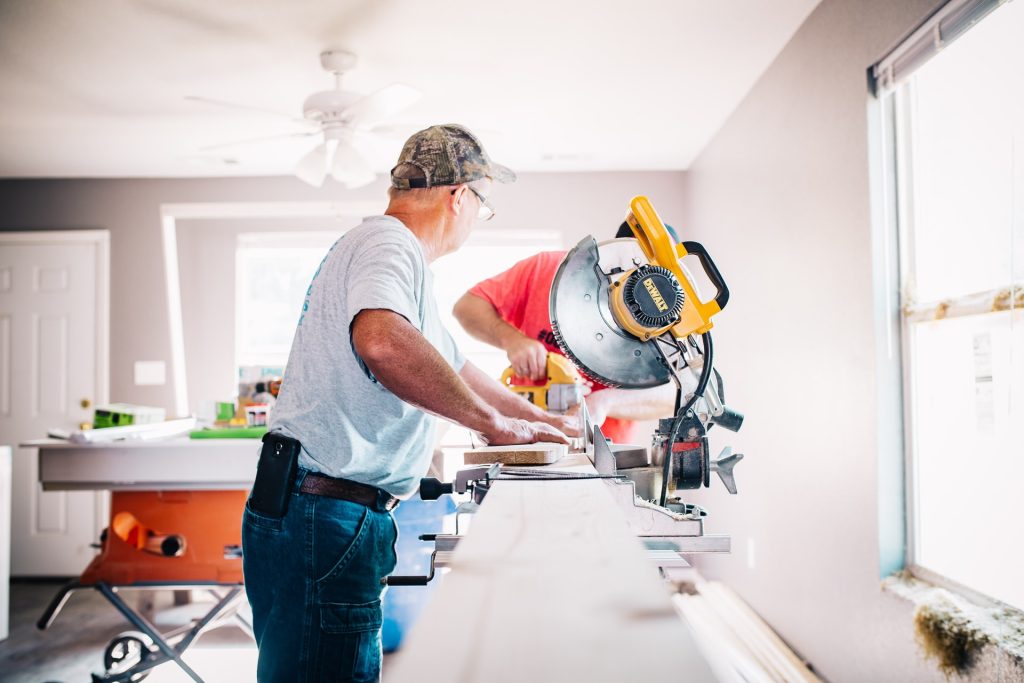
Safety precautions must be implemented throughout the entire process. A typical DIY project might involve working with electrical components, moving heavy objects, or using power tools, and this requires special care. Always prioritize the safety of yourself and those around you by utilizing safety equipment, and taking preventive steps. This includes using appropriate safety eyewear, gloves, and hearing protection when using power tools. Consider the potential for dust or debris and take steps to mitigate these risks. Ensure proper ventilation and consider using a respirator if necessary.
Recognizing and Responding to Emergencies
Responding to Injuries and Accidents
Knowing how to respond to emergencies is vital in any DIY project. Be prepared for potential injuries. Familiarize yourself with the proper procedures for dealing with minor injuries and accidents, including cuts, burns, or falls. Having a first-aid kit readily available and knowing how to use it is crucial. Familiarity with the local emergency services and your home’s emergency exits is also crucial. A fire extinguisher should also be easily accessible for fires, along with proper safety procedures for extinguishing them.
Further Safety Considerations
Specific Safety Measures for Different Activities
Different types of DIY repairs require different levels of caution and safety protocols. Working with electricity, for instance, calls for strict adherence to electrical safety guidelines, including turning off power sources before working on electrical components and ensuring proper grounding. For plumbing projects, using appropriate tools and equipment to avoid accidental cuts or splashing is crucial. Different activities may also require specific safety protocols. For instance, working with paint or solvents requires adequate ventilation and personal protective equipment (PPE). For all types of tasks, ensure that you have the proper safety equipment.
Post-Project Safety Checks
Inspecting Tools and Equipment
Regular inspections and maintenance of tools and equipment are crucial. Proper maintenance ensures that your tools remain in top condition to minimize risk during DIY projects. This will also reduce the chance of accidents. Properly securing tools and equipment after use is also important.
Additional Tips for DIY Safety
Stay Informed and Seek Help
Stay up-to-date on safety procedures for specific repairs. Check out online resources or consult professional advice for guidance on particular tasks. Don’t hesitate to ask for help when faced with particularly complex or risky projects.
Importance of a Safe Environment
Creating a Safe Work Area
Ensure your workspace is properly organized. Keeping the work area free of clutter and distractions is crucial to prevent accidents. Clear out the area to create a safe environment.
What are the most common DIY repair mistakes that lead to injuries?
Many DIY injuries are preventable by following safe procedures. Common mistakes include improper tool use, lack of safety equipment, and overlooking potential hazards. For instance, not wearing safety glasses can cause eye injuries, while not using proper lifting techniques can result in back injuries. Also, working on electrical components without taking precautions can lead to electrocution.
How can I stay safe when using power tools in DIY projects?
When using power tools, always wear safety glasses and appropriate hearing protection. Make sure the work area is clear of obstructions and ensure the tools are in good working order. Never use tools that are damaged or malfunctioning. Ensure proper ventilation to avoid dust inhalation and follow the tool manufacturer’s instructions carefully.
In conclusion, prioritizing safety in DIY repairs is crucial for preventing accidents and injuries. By following these safety tips and practicing caution, you can significantly reduce risks and enjoy the satisfaction of completing your projects safely and effectively. Now go forth and tackle those DIY projects with confidence! Remember to always prioritize safety above all else.