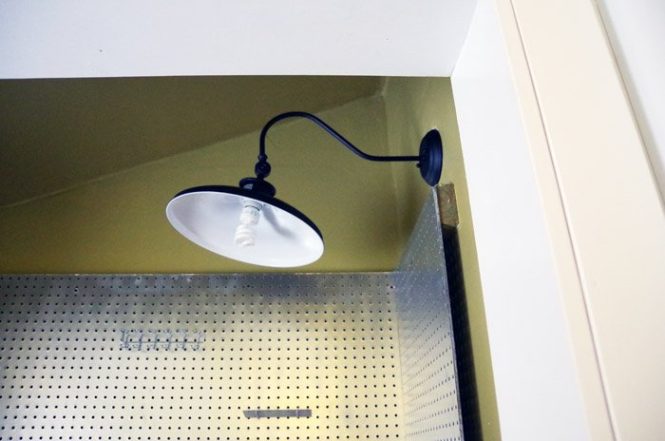
Updating light fixtures is a surprisingly effective way to enhance your home’s aesthetic appeal and overall atmosphere. Imagine walking into a room bathed in the warm glow of a newly installed pendant light, or the crisp, modern ambiance created by sleek recessed lighting. Light fixtures are not just functional; they are a significant element in home design. They can transform a room from drab to dazzling. Many homeowners overlook the transformative power of updating their light fixtures, missing out on a simple but powerful way to increase property value and enjoy their living spaces to the fullest. This comprehensive guide dives deep into the world of light fixture updates, equipping you with the knowledge and inspiration to make informed decisions. We’ll cover everything from choosing the right style to DIY installation tips and even explore some professional installation options. We’ll explore several lighting styles, budget-friendly solutions, and discuss the importance of proper lighting placement in different rooms. Let’s embark on this illuminating journey together!
Choosing the Right Style for Your Home
Exploring Different Lighting Styles
Choosing the right style for your home’s lighting is crucial to achieving the desired aesthetic. Your home’s style should dictate the look and feel of your lights. Think about the existing décor and colors in your space. A minimalist home may benefit from sleek, modern fixtures, while a traditional home might suit classic chandeliers or pendant lights with intricate detailing. Consider the overall size and shape of the room—larger rooms might need more substantial fixtures, while smaller spaces can benefit from smaller, more focused lighting. Don’t forget to think about the function of the room as well. A kitchen may benefit from task lighting over a counter or kitchen island. A living room likely needs a combination of ambient lighting and accent lighting.
Finding Inspiration from Various Sources
Social media platforms, home improvement websites, and design magazines are excellent resources for inspiration. Look at pictures of rooms with similar aesthetics to yours and note the types of lighting used. Pay attention to how the lighting interacts with the room’s architecture. Look for lighting fixtures that complement existing architectural features, such as vaulted ceilings or high windows. By carefully studying various images and ideas, you can develop a strong sense of style and identify what you like most.
Budget-Friendly Options
Updating light fixtures doesn’t have to break the bank. With a little research, you can find numerous budget-friendly options that still provide style and functionality. Look for deals and promotions at home improvement stores and online retailers. Consider used or refurbished fixtures to save even more money. You can also give existing fixtures a fresh look by repainting or refinishing them. Alternatively, consider using affordable materials or DIY-style lighting options to achieve desired results without overspending.
Understanding Your Lighting Needs
Identifying Different Types of Lighting
Understanding the various types of lighting is vital for maximizing your home’s potential. Ambient lighting sets the overall mood and provides general illumination. Task lighting is directed towards specific activities, such as reading or cooking. Accent lighting highlights architectural features or artwork. Knowing the difference between these types of lighting will help you design a well-rounded lighting plan for each room. Properly balancing these different types of lighting can dramatically change the feel and functionality of a room.
Considering the Function of Each Room
Each room in your home has unique needs when it comes to lighting. A living room might benefit from a combination of ambient and accent lighting to create a warm and inviting atmosphere. A kitchen needs task lighting over the counter or island for cooking and prep work. A bathroom benefits from both ambient lighting and task lighting above the mirror for grooming. The precise types and placement of lighting can greatly improve the utility and ambiance of any space.
Energy-Efficient Lighting Choices
In today’s world, energy efficiency is increasingly important. LED lights use significantly less energy than traditional incandescent bulbs. They also last much longer, reducing replacement costs over time. Choosing LED lights can save you money on your electricity bills and contribute to a more sustainable lifestyle. This environmentally conscious approach is also increasingly important to homeowners who are keen on sustainability and long-term savings.
DIY vs Professional Installation
DIY Installation Considerations
DIY light fixture installation can save you money, but it requires careful consideration. Certain fixtures might be more complex to install than others. Read the instructions thoroughly before starting any DIY project. Check that you have all the necessary tools and materials on hand. If you are unsure about any aspect of the installation process, consider hiring a professional. Proper wiring and electrical safety are paramount when updating your lighting systems. Ensure your electrical knowledge is up to par before initiating any work.
Professional Installation: Expertise and Benefits
Professional installation ensures that the job is done correctly, complying with all electrical codes and safety regulations. This approach is ideal when dealing with complex wiring or if you lack experience in electrical work. A professional will provide peace of mind, knowing that the job is done correctly and safely. Professional electricians have the tools and expertise to ensure a high-quality installation. Professionals also offer valuable advice and insights into the best fixtures and installation strategies to meet your needs.
Evaluating Cost-Benefit Analysis
Weigh the cost of DIY versus professional installation. Calculate the cost of materials, labor, and potential damages if the job is not done properly. DIY can be cheaper but may be more time-consuming and result in an unprofessional outcome. Professional installation is more expensive but offers convenience and ensures a safe installation and long-term efficacy.
Enhancing Your Home’s Aesthetic
Choosing the Right Fixtures for Different Rooms
The type of fixture you choose should complement the overall design and function of the room. A living room might benefit from a statement chandelier or elegant pendant lights. A kitchen typically needs task lighting above the countertop and under-cabinet lighting for functionality and ambiance. Consider the size and shape of the room when making your selections. Smaller rooms will benefit from more focused lighting, while larger rooms may require multiple fixtures for adequate illumination.
Integrating Existing Décor and Architecture
Pay attention to the existing décor and architectural features of your home. The fixtures you choose should harmonize with the existing style. Consider the color palette and material types of your home. Look for fixtures that complement the existing color scheme. If your home has unique architectural details, choose fixtures that enhance these features. This approach ensures consistency and elegance in your home’s design.
Maintaining Your Light Fixtures
Regular Cleaning and Maintenance
Regular cleaning and maintenance are essential for keeping your light fixtures in optimal condition. Dust and dirt accumulation can reduce the effectiveness and longevity of your fixtures. Use a soft cloth or a vacuum cleaner to remove dust. For fixtures with more delicate parts, consult the manufacturer’s instructions for specific cleaning methods. This preventive maintenance will help keep your lighting bright for years to come.
Addressing Issues Promptly
Be attentive to any issues with your light fixtures. Flickering lights, unusual sounds, or other problems need immediate attention. Don’t ignore these signs; addressing them promptly can prevent more serious issues and costly repairs. Contact a professional for complicated or intricate problems.
In conclusion, updating light fixtures is a worthwhile investment that can significantly improve your home’s ambiance and energy efficiency. By carefully considering your needs, exploring different styles, and choosing the right materials, you can transform your living spaces while saving money in the long run. Whether you’re aiming for a modern aesthetic or a classic feel, updating your light fixtures is a fantastic way to personalize your home. Don’t hesitate to consult a professional if you need guidance, and remember that online resources offer a treasure trove of design inspiration. Start planning your light fixture refresh today!