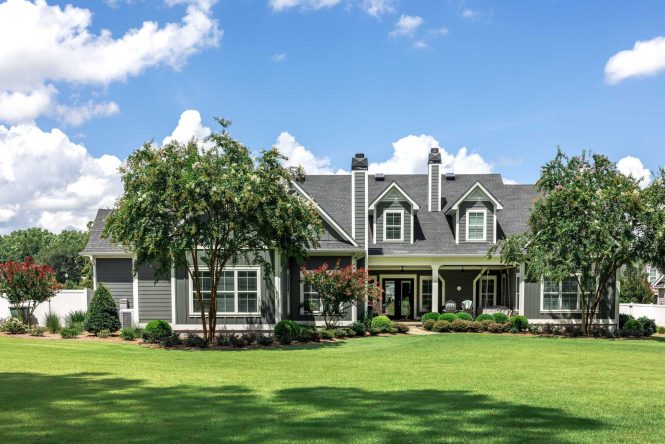
Choosing the right siding for your home is a crucial decision affecting both its longevity and aesthetic appeal. Whether you’re building a new house or renovating an existing one, siding choices play a vital role in ensuring your home’s durability, beauty, and overall value. This guide explores the various siding options, highlighting the benefits and drawbacks of each material to help you make an informed decision. We’ll delve into materials, installation considerations, maintenance, and how to select the perfect siding to complement your home’s architecture and lifestyle. The structure of this article will first outline the key siding choices and their unique characteristics. Then we will dive into the pros and cons of each siding material, exploring the costs, energy efficiency, and aesthetic aspects. Lastly, we will wrap up with important factors to consider during the decision-making process.
Understanding Your Siding Choices
Key Considerations in Choosing Siding
Homeowners often overlook the importance of siding choices, which can significantly impact the look and longevity of a home. Consider aesthetics, material durability, maintenance needs, and budget implications. Understanding your local climate and architectural style is also crucial when making your selection. These factors will all help you choose the siding that best suits your specific needs. For instance, if you live in an area with high winds, you might prioritize siding that’s built to withstand such conditions. Factors like cost, installation time, and required maintenance will also heavily influence your final choice.
Different Types of Siding Materials
Different siding materials offer varying characteristics, making careful evaluation important. Some popular materials include vinyl, wood, fiber cement, and metal. Each has its own set of pros and cons, affecting everything from cost and durability to aesthetic choices. Understanding these nuances is crucial to determining the right option for you.
Vinyl Siding: A Budget-Friendly Choice
Benefits and Drawbacks of Vinyl Siding
Vinyl siding is a popular choice due to its affordability and ease of installation. It’s also relatively low maintenance and resistant to rot, pests, and decay. Vinyl siding is particularly suited for homeowners on a tight budget, offering a durable and cost-effective alternative to other options. However, vinyl siding might not be as aesthetically diverse as other options. It also may not be the best choice for areas with extreme temperature fluctuations, as some variations in color or texture can be more noticeable when exposed to large temperature swings. Recent advancements in vinyl siding technology have improved its resilience, offering homeowners more options and aesthetic choices.
Installation and Maintenance of Vinyl Siding
Installation is generally straightforward with vinyl siding. It’s usually more affordable and faster to install compared to other materials. Regular cleaning and inspections are crucial. Vinyl siding can withstand a fair amount of weather damage, but it’s still important to address minor damage promptly.
Wood Siding: A Classic Choice
Characteristics and Advantages of Wood Siding
Wood siding offers a classic and warm aesthetic. Its natural beauty can enhance the curb appeal of any home. Wood siding, when properly maintained, can last for decades, adding significant value to a property. However, wood siding requires more upkeep than vinyl, which involves regular sealing and repainting to prevent rot and decay. The cost of wood siding installation can vary significantly depending on the type of wood used. The high price of wood may make it less affordable than vinyl siding for some homeowners.
Fiber Cement Siding: A Durable Option
Durability and Longevity of Fiber Cement Siding
Fiber cement siding provides a balance of durability and aesthetic options, making it a popular choice for homeowners. It’s resistant to rot, pests, and extreme weather conditions. The durability of this material translates to long-term value and low maintenance, a key attraction for many homeowners. However, the cost of fiber cement siding often falls in between vinyl and wood siding. It’s important to remember that, while durable, fiber cement siding might not offer the same range of aesthetic options as wood or vinyl siding.
Metal Siding: A Modern Alternative
Pros and Cons of Metal Siding
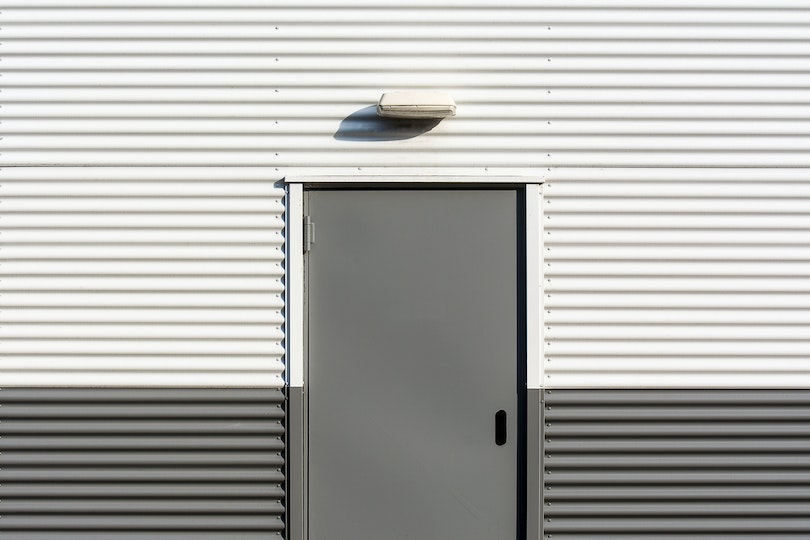
Metal siding presents a modern look and offers excellent weather resistance. Its strength and durability provide long-term protection from harsh weather conditions. Metal siding is known for its resilience to damage from hail or high winds, and it comes in various colors and finishes to complement various architectural styles. However, metal siding can sometimes be more expensive than vinyl or wood siding, and it’s important to factor in the cost of installation. Its unique aesthetic may not appeal to every homeowner.
Frequently Asked Questions
What are the top 3 most popular types of siding?
Vinyl, wood, and fiber cement sidings are often the most popular choices. Each option brings unique benefits, depending on individual needs and preferences. Vinyl siding’s affordability and durability, paired with wood siding’s classic appeal and longevity, and fiber cement siding’s strength and low maintenance make them attractive choices.
How much does siding installation typically cost?
Siding installation costs vary greatly based on material, size of the property, labor costs, and specific circumstances. Factors such as the type of siding, the square footage of the house, and the labor costs in your local area all play a role. You should factor in professional installation costs, which often vary based on the materials and complexity of the project. Getting several quotes from local installers is highly recommended to ensure an accurate price estimate for your project.
In conclusion, choosing the right siding is crucial for protecting your home and enhancing its curb appeal. Consider your budget, climate, and aesthetic preferences to make the best decision. Explore different siding types and materials, read reviews, and compare prices. Remember, a well-chosen siding can significantly increase your property value and provide years of reliable protection. Don’t hesitate to contact a professional siding installer for expert advice and to schedule a consultation to discuss your siding needs and preferences.