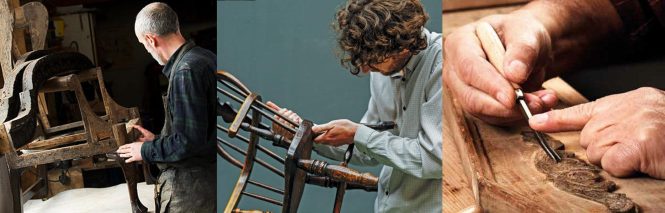
Rustic furniture and fixture repairs offer a unique opportunity to breathe new life into cherished vintage pieces. Whether you’re restoring a weathered wooden table or fixing a damaged antique rocking chair, the process can be both rewarding and fulfilling. This guide provides a comprehensive overview of common rustic furniture repairs, covering essential techniques and troubleshooting steps to help you successfully tackle these projects. The sections that follow detail various repair techniques, from minor fixes to more complex restorations. We’ll explore the fundamental principles of working with rustic materials, discuss various repair methods, and provide practical examples to guide you.
Assessing the Damage: Understanding Rustic Furniture Problems
Identifying Common Issues
Before diving into any repair project, thorough assessment is crucial. Common issues with rustic furniture include splintered wood, loose joints, damaged finishes, and worn-out hardware. Understanding the specific problems will help determine the appropriate repair methods.
Causes of Damage
Rustic furniture, often handmade, can be susceptible to damage caused by aging, natural weathering, and occasional accidents. Fluctuations in temperature and humidity can lead to warping or cracking in wooden elements, while frequent use and exposure to the elements can cause the finish to deteriorate.
Repair Priorities
Prioritize repairs based on their urgency and impact on the overall aesthetic. A loose hinge might seem minor but can quickly deteriorate if left unattended, leading to more extensive damage. Thorough inspection is key to developing a strategic repair plan for your specific project.
Tools and Materials
Gathering appropriate tools is vital for successful repairs. Common tools include a variety of screwdrivers, clamps, sandpaper, wood filler, stain, and potentially specialized tools like a chisel or router depending on the specifics of the damage. Choosing the right materials and their quality is as important as the right tools.
Fixing Loose Joints and Components
Addressing Loose Joints
Loose joints are a frequent issue with rustic furniture. The solution often involves tightening existing fasteners or applying wood glue to strengthen the connections. Carefully examining the joints will help in determining the best approach.
Replacing Worn-Out Hardware
Often, rustic furniture relies on unique or antique hardware. Replacements should ideally match the existing style to maintain the original aesthetic. Seek antique or reproduction pieces that closely resemble the original hardware to minimize visual disruption.
Strengthening Joints with Wood Glue
If joints are loose or have gaps, wood glue can significantly improve stability. Choose a type of glue appropriate for the wood species and ensure thorough drying time. Precise placement is essential for strength and aesthetics.
Repairing Loose Handles or Pulls
For handles and pulls, using wood screws or specialized repair hardware is often the solution. Consider the original style when sourcing or crafting replacements to maintain authenticity.
Securing and Tightening Screws
For damaged screw holes or loose screws, repair with a matching screw or utilize repair techniques such as filling the hole with wood filler.
Restoring and Refinishing Surfaces
Assessing Finish Condition
Evaluating the finish’s overall condition is crucial for a successful restoration. Is it completely gone, weathered, or showing only minor wear? Different approaches apply to each situation. Assess and evaluate the condition for refinishing.
Repairing Minor Scratches and Dents
For minor surface damage, wood filler or putty can be used to disguise blemishes. Careful sanding and refinishing will be necessary to blend the repair seamlessly with the existing surface.
Refinishing Techniques for Rustic Look
Choosing the right technique, such as sanding, staining, or varnishing, is crucial for maintaining the rustic character. A natural finish often complements the aging charm of rustic furniture.
Understanding Wood Types
Different wood types require unique repair and finishing techniques. Researching the specific wood type will inform the selection of stains, fillers, and finishes, ensuring that the repairs respect the piece’s unique properties.
Removing Old Finish
Thoroughly removing old, damaged finish is essential before applying new coatings. Sanding is usually the method of choice. Apply caution and use appropriate sanding techniques to avoid deeper damage to the surface.
Addressing Cracks and Splinters
Identifying Different Types of Damage
Identifying the nature of cracks, whether deep or superficial, is paramount for selecting the right repair method. Shallow cracks might just require filler and sanding, while deeper ones necessitate more involved procedures. Consider the source of the crack.
Repairing Cracks with Wood Filler
Wood filler provides a quick solution for minor cracks and imperfections. Ensure the filler matches the wood’s tone for seamless blending. Sanding is essential to ensure a smooth, even surface. Careful planning and preparation are essential.
Addressing Splinters
Splinters and broken pieces require attention to detail to maintain the integrity of the furniture. Repairing splinters involves filling the gaps with wood putty and carefully sanding the area until smooth.
Strengthening the Structure
Sometimes, a structural issue leads to cracking or splintering. Reinforcing the affected area can be part of the process. Use additional support or reinforce the wood to provide lasting structural stability.
Using Epoxy Resin for Larger Cracks
Epoxy resin is an effective solution for larger cracks, potentially providing a more durable and long-lasting fix compared to wood filler, especially for severe structural damage.
Preventing Future Damage
Maintaining and Preserving Rustic Pieces
Proper care and maintenance are essential to extend the lifespan of your rustic furniture. Establishing a consistent care routine can help prevent further damage and maintain the piece’s beauty.
Considerations for Humidity and Temperature
Fluctuating temperature and humidity can negatively impact wooden furniture. Protect rustic pieces from extreme conditions and ensure appropriate storage to prevent further structural damage and deterioration.
Using Protective Coatings
Applying appropriate protective coatings, such as varnish or sealant, creates a barrier against moisture and environmental damage, extending the piece’s lifespan. Inspect and reapply as needed.
Cleaning and Polishing Techniques
Gentle cleaning and polishing techniques are key to maintaining a piece’s shine and preventing build-up of dirt and debris, which can lead to damage in the long term.
Expert Advice on Specific Repairs
Consider consulting with furniture restoration professionals for complex repairs or for advice on specific scenarios and conditions. Their expertise can ensure a proper outcome and the preservation of the original quality.
In conclusion, repairing rustic furniture and fixtures requires a blend of patience, skill, and understanding of the unique characteristics of these pieces. By following the steps outlined above and considering the specific materials and techniques, you can restore your treasured rustic finds to their former glory, adding character and charm to your home. For further assistance or more detailed guidance, consider seeking professional advice from skilled artisans or joining online communities dedicated to antique and rustic furniture repair. Don’t hesitate to get started on restoring your rustic treasures today!