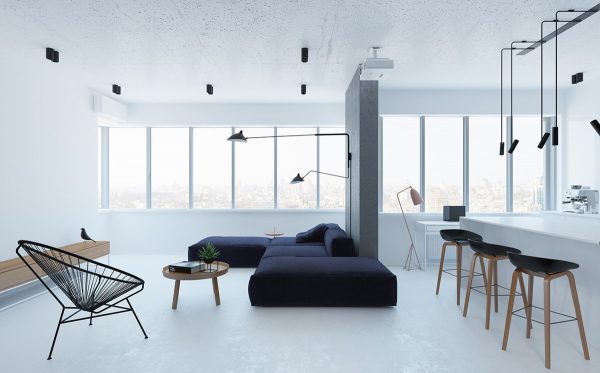
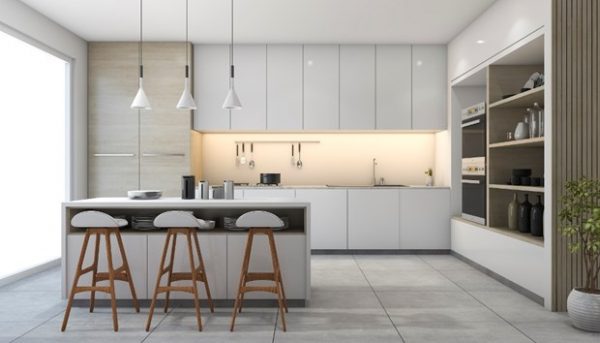
Minimalist design isn’t just about aesthetics; it’s a lifestyle choice that can positively impact every aspect of your life. Imagine a home that speaks to your values, a space where everything has a purpose and your mind feels free from clutter. Minimalist design provides this, creating a calming and intentional environment. This approach can be challenging, but it also fosters a sense of calm and purpose. It’s about prioritizing what truly matters in life and creating a space that reflects that. This article explores the core principles of minimalist design, practical steps to declutter and organize, and ways to create a beautiful and functional space. We’ll examine ways to live with less, the emotional benefits of minimalism, and steps toward a more intentional lifestyle.
Understanding Minimalist Design Principles
Core Values and Philosophy
Minimalist design, at its core, prioritizes essential elements while eliminating anything superfluous. It’s a philosophy that extends beyond just aesthetics, influencing how we approach our homes, our lives, and our possessions. It’s about intentional living, where every item in your home has a purpose and meaning. By carefully choosing what to keep, we make conscious decisions and create space for mindfulness, focus, and a sense of calm.
Decluttering for a More Intentional Space
Identifying Clutter and Unnecessary Items
One key aspect of embracing minimalist design is decluttering. The first step is to identify the items that are unnecessary or are no longer serving their intended purpose. Don’t hold onto things you haven’t used in the past year, donate or discard as needed. Categorize items based on their importance or emotional connection to create a more objective view, objectively assessing the need for each item. Be ruthless in assessing its true value and utility.
Simplifying Your Storage Solutions
Once you’ve decluttered, focus on simplifying your storage solutions. Choose storage solutions that are both aesthetically pleasing and functional. This often involves minimizing the use of large, bulky storage units and maximizing space within the home with effective solutions, such as vertical storage solutions. Utilize clear containers for easy identification, and consider incorporating open shelving, with aesthetic and practical organization. This enhances the overall aesthetic of your space while streamlining accessibility.
Creating a Functional and Beautiful Space
Choosing the Right Furniture and Accessories
When selecting furniture and accessories for your minimalist design, prioritize quality and functionality. Choose pieces that are both visually appealing and serve a specific purpose. Multi-functional pieces are an excellent choice. The essence of minimalist design is about utilizing space effectively and minimizing visual clutter. Make smart decisions about what to include, based on need and functionality, and not on trends or what is ‘trendy.’
Incorporating Color and Texture Thoughtfully
Colors and textures play a crucial role in minimalist design. Stick to a neutral color palette, and add pops of color through strategically selected accessories. Incorporating a mix of textures adds visual interest and depth. Focus on natural materials, like wood, stone, and cotton, to provide warmth and a sense of calm. Avoid overly patterned or busy textures to keep the space feeling uncluttered and cohesive.
Maintaining a Clutter-Free Lifestyle
Establishing a Regular Routine
Establishing a regular cleaning and organizing routine is vital. Consistent decluttering prevents the build-up of clutter. Regular routines are key for a more intentional living style. Minimalism isn’t a one-time fix; it’s a continuous process of intentional living, focused on the core values of less, but better.
Fostering Minimalist Habits
Cultivating minimalist habits goes beyond just the physical space; it also extends to the mental and emotional well-being. Mindful consumption is key to a decluttered lifestyle. Before making any purchase, ask yourself whether it aligns with your values and needs and if it truly adds to your life. Reflect on your daily habits. Are you acquiring items that you don’t need, or are you intentionally choosing items that resonate with your personal style?
The Emotional Benefits of Minimalism
Reducing Stress and Anxiety
Studies have shown a link between a clutter-free environment and reduced stress and anxiety. A clean, organized space fosters a sense of calm and tranquility. A serene and ordered space can greatly improve mental well-being. Minimalism is about making space in our lives and in our minds for what truly matters.
Increasing Focus and Productivity
By eliminating distractions and prioritizing what truly matters, you can increase focus and productivity. A less cluttered space frees mental energy and creates a more conducive environment for creativity and success. A well-organized space minimizes distractions and promotes a more streamlined daily routine.
Frequently Asked Questions
Q1: How can I start implementing minimalist design in my home?
A1: Begin by decluttering one room at a time. Focus on discarding items you haven’t used in the past year. Then, focus on simplifying your storage solutions to ensure that everything has a designated place and is easy to find and access. Creating space for what matters most is a valuable step in your minimalism journey. Once you have sorted through your belongings, start replacing items that don’t bring you joy or align with your values.
Q2: What are some practical tips for decluttering a home that feels overwhelming?
A2: One effective technique is the ‘one in, one out’ rule. For every new item you bring into your home, choose one to discard. Set aside a designated time each week or month to tackle one area of your home to make the decluttering process less overwhelming and less time-consuming. Use a timer and stick to the allocated time for each session to keep things manageable. Prioritize and target one space or area at a time, and you will be well on your way to creating a decluttered home!
In conclusion, embracing minimalist design for a clutter-free life isn’t just about aesthetics; it’s a powerful path toward enhanced well-being and a more intentional lifestyle. By decluttering your physical space, you create space for clarity of mind and focus. Start by identifying your needs and implementing the strategies outlined in this article, and watch as your life transforms. Take control of your environment; it can truly change your life for the better! Contact us today to explore design solutions that fit your specific needs. Visit our website or call for a consultation.