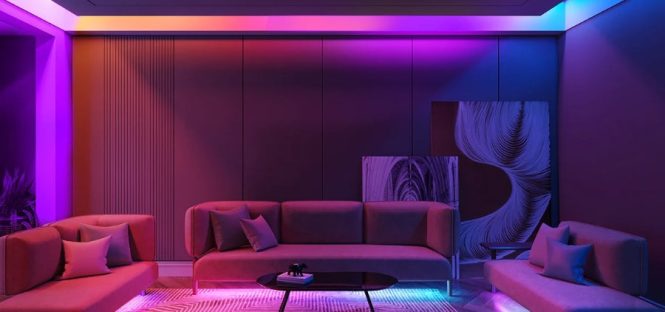
Lighting renovation is a transformative process that can dramatically change the mood and functionality of your home. It’s not just about swapping bulbs; it’s about creating an inviting and productive environment through strategic lighting placement. Whether you’re aiming for a more dramatic statement or simply wish to enhance your home’s ambiance, lighting renovation can help. Many homeowners face challenges like outdated fixtures, inefficient lighting choices, and inadequate illumination in specific areas. This comprehensive guide will address these issues and provide practical strategies to optimize your lighting and create a bright and inviting space, with tips on budget management, and insights from experts. This guide will walk you through selecting the right lighting fixtures, understanding different types of lighting, and calculating your lighting budget. We’ll also cover common mistakes to avoid, and provide real-world examples of successful lighting renovations.
Understanding Your Lighting Needs
Assessing Your Current Lighting Situation
To begin your lighting renovation journey, carefully evaluate your current lighting setup. Identify areas where the lighting is inadequate or outdated. Consider the function of each room—a kitchen needs task lighting, while a living room might benefit from ambient and accent lighting. Note down the current fixtures and their condition. Are they aesthetically pleasing? Do they meet your current needs?
Defining Your Style and Budget
Lighting style plays a crucial role in a home’s overall aesthetic. Consider whether you prefer modern, traditional, or contemporary designs. Modern LED lighting is often preferred due to its energy efficiency and long lifespan. A lighting design can elevate the aesthetic appeal of your home. Determine your budget beforehand; different lighting types have different costs associated. A well-defined budget will help you stay on track and avoid costly mistakes.
Choosing the Right Lighting Fixtures
Types of Lighting
Explore various lighting types to understand their functions. Ambient lighting provides general illumination, while accent lighting highlights specific features. Task lighting is focused on specific tasks, like reading or cooking. Outdoor lighting enhances the curb appeal of your home. Knowing these differences allows for a purposeful selection that meets your diverse needs and preferences.
Selecting Fixtures Based on Room Functionality
Consider the specific needs of each room when selecting lighting fixtures. Kitchens benefit from task lighting above countertops and under cabinets for enhanced visibility during meal preparation. Bathrooms require a mix of ambient and task lighting for both functionality and visual appeal. Living rooms benefit from ambient lighting to set the mood and accent lighting to highlight artworks or architectural features. Dining areas usually need both ambient and task lighting for dining.
Energy-Efficient Lighting Solutions
LED Technology
LED lighting has revolutionized homes due to its impressive energy efficiency. LED bulbs consume significantly less energy than traditional incandescent bulbs, resulting in substantial long-term savings on your energy bills. Energy-efficient lighting is critical to sustainability and reducing your carbon footprint.
Smart Lighting Systems
Smart lighting systems offer advanced control and customization. They can be programmed to adjust brightness and color temperature throughout the day or based on your schedule. A recent study showed that homeowners who installed smart lighting systems reported a 15% reduction in energy consumption.
Budgeting for Lighting Renovation
Calculating Total Costs
To create a comprehensive budget, calculate the costs of all components. This includes lighting fixtures, bulbs, installation labor, and any additional design elements. Consider the cost of smart lighting systems or energy-efficient lighting to make a well-informed choice.
Managing Costs Effectively
Plan your project thoughtfully, and factor in any potential unexpected expenses. Prioritize which lighting upgrades will provide the greatest return on investment for your home.
Planning the Layout
Importance of Proper Placement
Lighting placement is crucial for creating the right ambiance and functionality in a space. Carefully consider where lights will be placed to best illuminate the room, avoiding glare, shadows, and inconsistencies.
Balancing Ambient and Accent Lighting
A good lighting layout incorporates both ambient and accent lighting. Ambient lighting provides overall illumination, while accent lighting focuses on specific elements to highlight and create visual interest. For example, an artwork might be emphasized by accent lighting to complement the general illumination.
In conclusion, lighting renovation is a worthwhile investment that can significantly enhance your home’s value, ambiance, and energy efficiency. By carefully planning your lighting renovation project, understanding your needs, and considering both aesthetic and functional aspects, you can transform your space and create a truly inviting and productive environment. If you’re ready to start your lighting renovation journey, consult with a qualified electrician or lighting designer. Remember, proper lighting enhances your daily life. Contact us today for a free consultation!