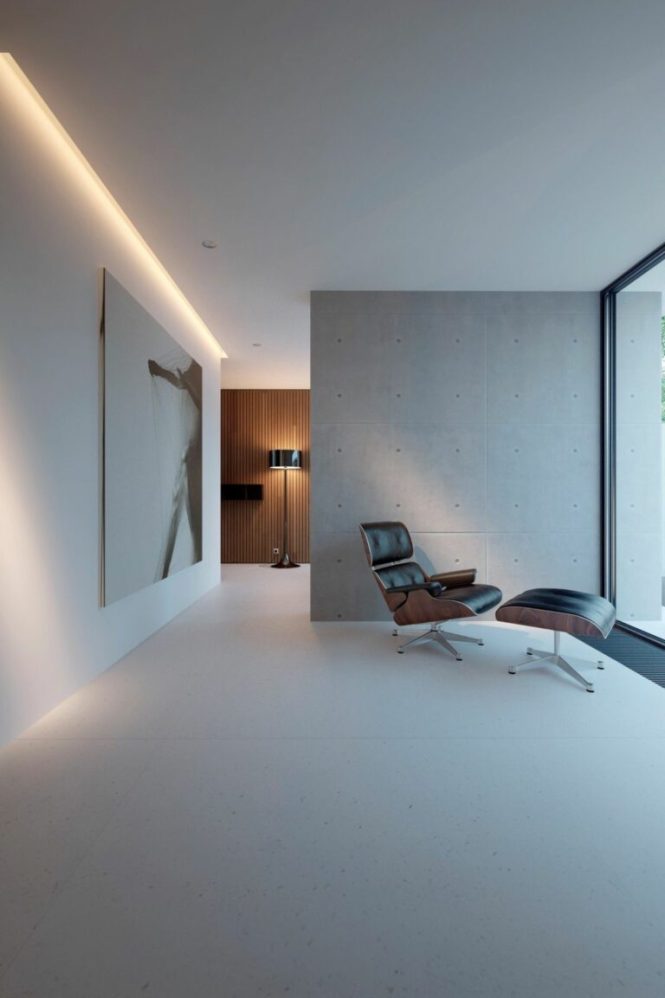
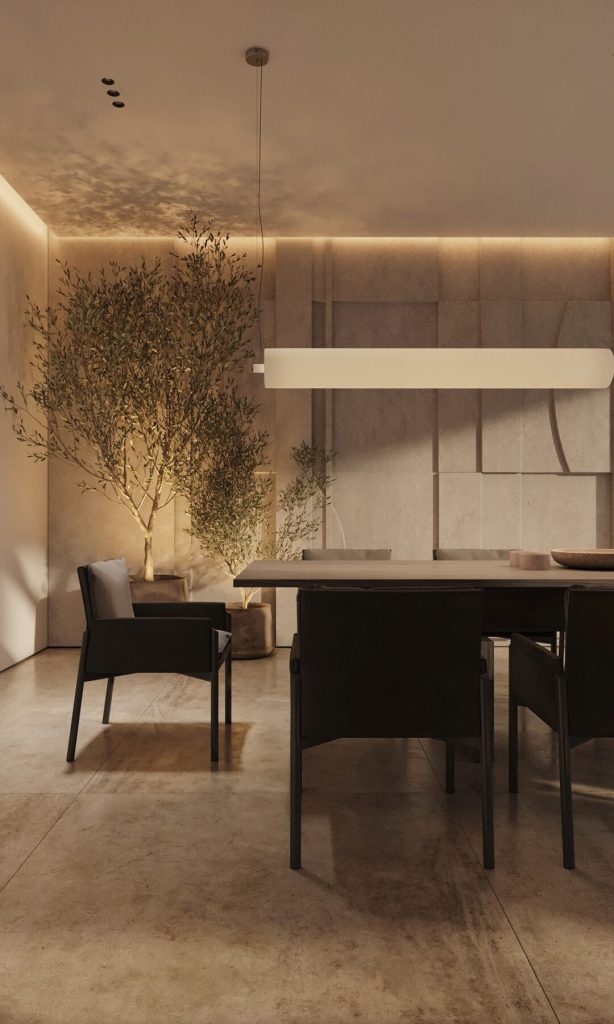
Lighting in minimalist design plays a crucial role in establishing an aesthetic that prioritizes clean lines, uncluttered spaces, and a sense of calm. Imagine a living room bathed in soft, diffused light, showcasing the architectural elements without overwhelming the visual landscape. This minimalist approach to illumination often involves strategic placement of fixtures, careful consideration of light intensity, and a nuanced understanding of how light can enhance and complement the overall design.
Understanding the Core Principles of Minimalist Lighting
The Essence of Simplicity
Minimalist design prioritizes clean lines and a lack of excess. Applying this principle to lighting involves choosing fixtures that complement the overall aesthetic, avoiding anything ostentatious or overly decorative. The key is to integrate light seamlessly with the space, allowing it to enhance rather than distract from the design. The use of simple, geometric shapes is paramount in minimalist lighting, with a focus on functionality and form over ornamentation. This approach often involves a preference for fixtures with clean lines and an understated presence.
Functionality Meets Aesthetics
Minimalist lighting focuses on functionality, not just aesthetics. Thoughtfully placed lighting enhances the usability of a space while simultaneously increasing its aesthetic appeal. It’s about lighting the space efficiently and effectively with minimal fuss.
Choosing the Right Fixtures
Prioritizing Clean Lines and Functionality
Selecting the correct minimalist lighting fixtures is critical. Focus on clean lines, simple shapes, and neutral tones. Avoid fixtures with elaborate designs or patterns. Recessed lighting, track lighting, and pendant lights with simple forms are common choices, especially if they can be integrated into the ceiling or wall structure, maintaining a sense of minimalism.
Material Matters
The material of the fixture itself plays a significant role. Opt for materials like metal, wood, or glass, which enhance the minimalist aesthetic. These materials are usually associated with sleekness and sophistication.
The Impact of Color Temperature
The color temperature of the light is often overlooked but can dramatically impact the mood and atmosphere of a space. Warm-toned lighting can evoke a sense of comfort and coziness. Cool-toned lighting tends to create a more modern and invigorating feel. Choose color temperatures suitable for the overall ambiance you wish to establish in your space.
Integrating Lighting Strategies
Ambient Lighting for Overall Illumination
Ambient lighting provides the foundation for a space, ensuring that the entire area is adequately illuminated. In minimalist design, recessed lighting or cove lighting are often the preferred choices to achieve a soft and diffused illumination without harsh shadows or overly strong glare. By using these strategies, you can achieve the desired overall level of illumination in the room without compromising the minimalist aesthetic.
Accent Lighting for Focal Points
Minimalist spaces, despite their simplicity, often feature intriguing architectural elements or unique artwork. Using strategically placed accent lighting highlights these focal points, drawing the eye to specific details without detracting from the overall clean aesthetic. For example, a single spotlight illuminating a painting on a wall, or a gentle glow highlighting a particular collection, can create a dramatic yet subtle effect.
Task Lighting for Focused Functionality
Task lighting is essential for specific activities, providing focused illumination for reading, working, or preparing food. In a minimalist design, task lighting often employs sleek and understated fixtures that seamlessly blend with the surrounding aesthetic. For instance, a well-placed table lamp or a built-in reading light can be perfectly integrated within the minimalist design framework.
Creating the Mood with Lighting
Utilizing Color Temperature for Atmosphere
The color temperature of the light plays a significant role in setting the mood of a space. Warm-toned lighting can evoke a sense of tranquility and coziness. Cool-toned lighting creates a more modern and vibrant feel. Adjusting the color temperature of your lights throughout the day can create a dynamic and inviting atmosphere within the minimalist space.
Layering Lights for Depth and Dimension
Layering different types of lighting—ambient, accent, and task—creates depth and dimension within a space. This layered approach allows for flexible control of the light within the room, which is particularly important when it comes to maintaining the minimalist aesthetic. By layering your lights, you can create various moods and create a beautiful overall design.
Understanding the Impact of Light Intensity
The intensity of the light also influences the mood and ambiance of a space. Dimmable lighting allows for adjustments to suit different needs and activities throughout the day. For instance, a soft, gentle glow for relaxing evenings contrasts greatly with a brighter illumination for focused work sessions. This adjustable light intensity helps maintain a sense of dynamism in a minimalist design.
Real-World Examples and Case Studies
Successful Minimalist Lighting Implementations
Numerous minimalist projects successfully integrate lighting to emphasize the space’s key architectural elements. For instance, many modern homes use strategically placed recessed lights to highlight high ceilings and open floor plans, maximizing the sense of spaciousness and enhancing the visual appeal. These implementations showcase how minimalist lighting can be utilized effectively to create impressive results.
Designing for Specific Needs
In a minimalist kitchen, for example, ambient lighting from recessed can lights provides overall illumination, while task lighting above the countertops and under-cabinet lighting enhances functionality. This specific combination of strategies effectively optimizes the use of the space while maintaining the minimalist aesthetic.
Frequently Asked Questions
Q: What are the best lighting fixtures for minimalist design?
A: The best minimalist lighting fixtures are those with clean lines, simple shapes, and a neutral color palette. Recessed lighting, track lighting, pendants with clean silhouettes, and well-placed table lamps are excellent choices. The selection should be based on the functionality required and how it integrates with the overall design. Consider materials like brushed nickel, matte black, or warm wood tones, which complement minimalist aesthetics.
Q: How can I ensure my lighting complements the minimalist design in my home?
A: Ensuring that lighting complements a minimalist design requires a strategic approach. Use light sources of varying intensities to highlight focal points and create depth. Avoid overly decorative fixtures that might disrupt the space’s clean lines. The color temperature of the light can significantly influence the mood. If possible, use adjustable light fixtures to enhance flexibility. Think about how the light interacts with other elements in the room, such as furniture and artwork, to complement the design’s essence.
In conclusion, minimalist lighting design is about sophistication, functionality, and a seamless blend of form and purpose. By carefully selecting lighting fixtures and employing thoughtful strategies, you can transform your space into a calming and aesthetically pleasing environment. Embrace the beauty of simplicity and consider consulting with a professional interior designer for personalized advice. This will help you implement minimalist lighting design effectively, achieving a space that’s both stylish and inviting. Explore different lighting styles and techniques to achieve the perfect minimalist lighting design that reflects your personal style and creates an atmosphere of calm and elegance.