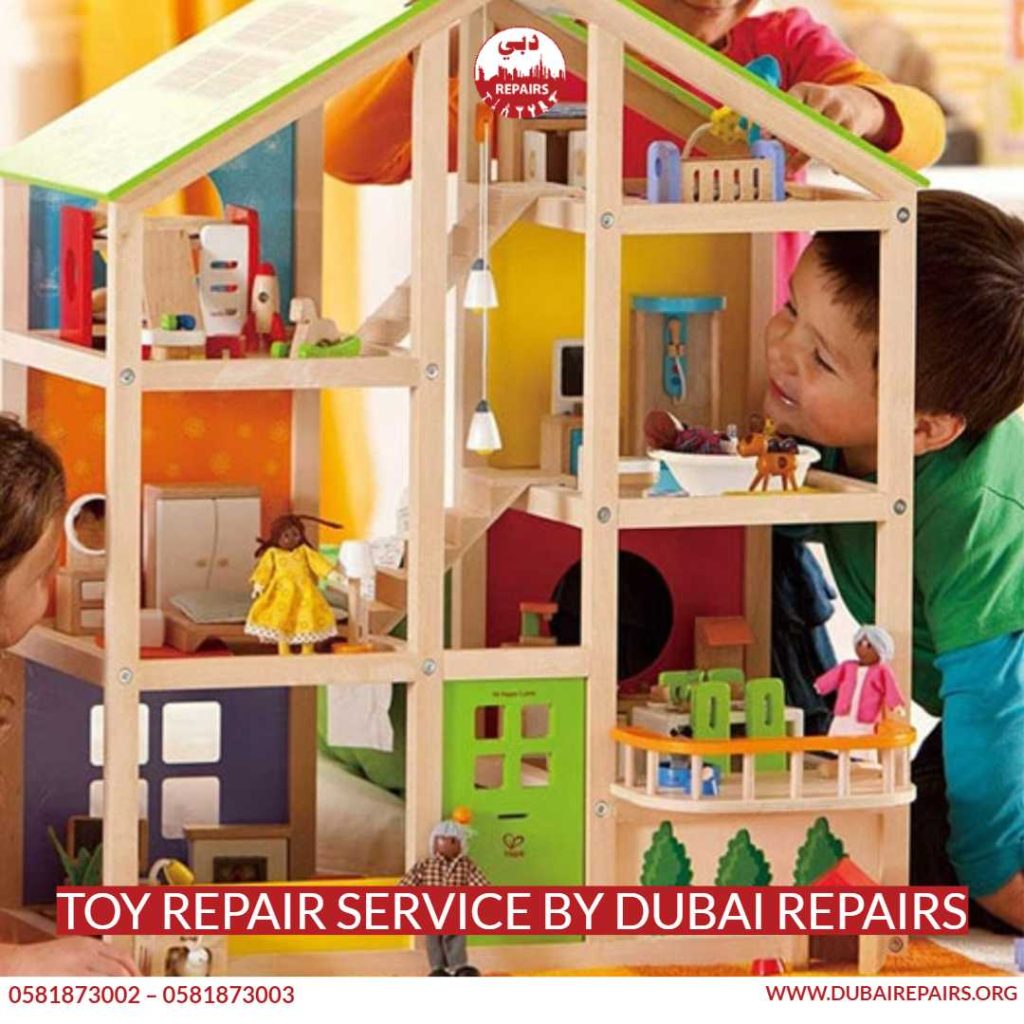
Kids’ room toy and furniture repairs are a crucial aspect of responsible parenting and environmental consciousness. Children’s toys and furniture are often subjected to wear and tear, resulting in potential breakage and damage. This guide will provide practical insights into repairing kids’ room toys and furniture, promoting cost-effectiveness and sustainability within the home. We’ll explore various repair techniques, from basic fixes to more complex solutions. The structure of this guide will cover common repair issues, provide step-by-step instructions, and offer advice on preventing future damage. Let’s delve into the world of fixing kids’ toys and furniture!
Identifying Common Repair Needs
Recognizing Damage Patterns
Kids’ toys and furniture often face substantial wear and tear. Careful observation is key to identifying potential repair issues before they escalate. Recognizing damage patterns—like loose screws, broken hinges, or chipped paint—allows you to address the problem proactively. Early intervention often prevents more extensive damage and saves you time and resources in the long run. Regular checks are vital for maintaining the quality and safety of your children’s furniture. This includes inspecting toys for loose parts or excessive wear and checking furniture for stability and structural integrity. For example, a wobbly table might signal loose screws or an underlying structural issue that needs fixing.
Practical Troubleshooting
Many common toy and furniture issues can be addressed with basic tools and techniques. Inspecting the damage and assessing the necessary tools and materials will determine the best approach. Simple repairs, like replacing a broken button or fixing a loose screw, can significantly extend a toy’s lifespan. Consider the specific materials of the toy or furniture when selecting repair tools. This prevents further damage or complications. For instance, using the right screwdriver can prevent stripping a screw head.
Basic Repair Techniques
Fixing Broken Toys
Often, broken toys are more easily and affordably fixed than you might think. Understanding the materials used in your children’s toys is crucial. Broken plastic toys can sometimes be repaired with epoxy glue. Ensure you use a suitable adhesive to avoid future issues. Ensure the toy is clean and dry before applying the adhesive. Carefully follow the manufacturer’s instructions for the specific type of glue. For example, applying epoxy correctly can provide a strong, lasting repair for a broken plastic figure.
Repairing Furniture Components
Kids’ room furniture can experience considerable wear and tear. Learning basic furniture repair techniques allows you to address minor issues yourself. Replacing broken drawer pulls, fixing loose hinges, and patching damaged surfaces can be manageable tasks. Identifying the cause of the damage, such as improper installation or impact damage, helps determine the best approach to repairs. Consider seeking professional help if the repair is beyond your abilities.
Advanced Repair Solutions
Addressing Structural Issues
Structural issues in furniture, particularly older or larger items, require careful attention. Assessing the damage to ensure the structural integrity of the furniture is paramount to ensure the safety of your child. For instance, a wobbly chair or dresser can pose a hazard and require more significant repairs, potentially involving replacing wood parts, reinforcing joints, or adding additional support. Using the right tools, such as a saw or drill, is essential in this process.
Implementing Safety Measures
Ensuring the safety of children is a critical element in any repair project. All repairs should prioritize safety. This involves checking for any potential hazards. Replace any cracked or damaged components, ensure the stability of the item after repair, and follow safety procedures when using tools. Regular checks for potential hazards, such as loose screws or broken pieces, help prevent accidents.
Resourceful Repairing and Maintenance
Utilizing DIY Tutorials
DIY tutorials can provide valuable insights into repairing kids’ room toys and furniture. Numerous online resources, including YouTube videos and blog posts, offer detailed instructions on various repair techniques. These resources can demonstrate troubleshooting steps and guide you through repairs. These tutorials can address specific issues with toys or furniture. It allows you to gain valuable information and refine your skills, resulting in effective solutions.
Exploring Local Repair Shops
For more complex repairs or items with intricate designs, visiting a local repair shop can be beneficial. These specialized shops often have the tools and expertise to tackle challenging repairs. They can assess the situation and provide expert recommendations. They often have access to specialized materials and parts not readily available elsewhere.
Conclusion
Repairs of kids’ room furniture and toys is essential for minimizing waste and preserving valuable family items. Practical knowledge of fixing broken toys and furniture can lead to effective long-term solutions for kids’ toys and furniture needs. By following the steps outlined in this guide, you can embark on a journey of responsible consumption and environmental stewardship. The lifespan of your kids’ belongings can be significantly extended through effective repairs. This ultimately saves money and reduces waste, fostering a more eco-friendly approach to parenting. Don’t hesitate to seek help from experts, find helpful online resources, and empower yourself with the knowledge to tackle repairs. Contact us today to explore repair solutions for kids’ room furniture.
Additional Tips for Maintaining Children’s Toys
Inspecting Toys Regularly
Regularly inspect children’s toys for potential wear and tear. This proactive approach helps identify issues early, preventing further damage and ensuring safety. This includes checking for loose screws, broken parts, and any other signs of deterioration. Regular inspection also ensures you have a clear picture of the toy’s condition over time.
Storing Toys Properly
Proper storage techniques help preserve the longevity of toys. Store toys in a cool, dry environment to mitigate potential damage. Avoid extreme temperatures or humidity. Group similar toys together for easy organization and access.
Tips for Furniture Maintenance
Maintaining Furniture Surfaces
Regular cleaning and maintenance are important to maintaining the aesthetic appeal of your furniture. Use mild cleaning agents and avoid harsh chemicals. A soft cloth is sufficient for most cleaning tasks. For example, regularly wiping down surfaces helps maintain the integrity of the finish and helps prevent scratches or blemishes.
Ensuring Furniture Stability
Ensure your furniture is stable. Check that the legs or base of the furniture are securely attached to the frame. Loose or damaged components can increase the risk of accidents. Consider whether additional support is necessary in certain areas of the furniture.
Frequently Asked Questions
How can I repair a broken toy figure?
Several methods can be utilized to repair a broken toy figure. Epoxy glue is a strong adhesive for plastic figures. Cleaning and drying the damaged area is key. Apply a small amount of epoxy glue to the broken parts, align them precisely, and allow the glue to dry completely. Always follow the manufacturer’s instructions for specific guidelines and precautions. Use caution when handling glue and adhere to safety measures.
What resources are available for repairing kids’ room furniture?
Numerous resources are available to help with repairs. Online tutorials offer step-by-step instructions for addressing common furniture issues. Community forums provide a platform for sharing experiences and tips. Local repair shops provide an excellent option for tackling complex repairs with the proper tools and expertise. Utilize these resources to get personalized recommendations or gather helpful advice.
In conclusion, repairing kids’ room toys and furniture is crucial for both cost-effectiveness and environmental sustainability. By understanding common repair techniques and utilizing readily available resources, parents can significantly extend the lifespan of their children’s belongings, fostering a more eco-friendly approach to consumption. To dive deeper into specific repair guides or find local resources for repairs, visit our website.