
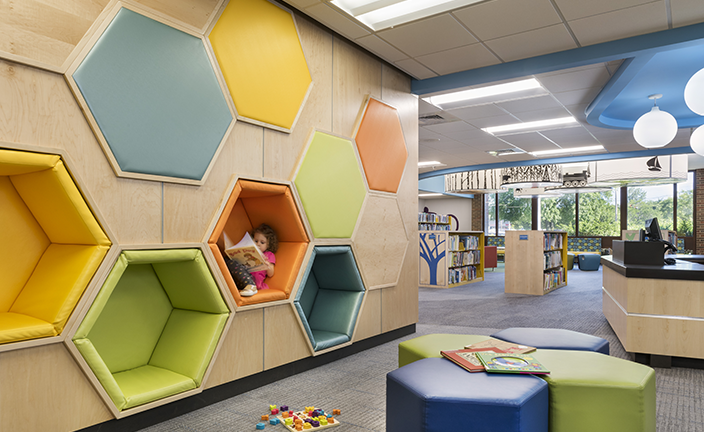
Kid’s Room Renovation: Fun and Functional is the key to creating a space that perfectly caters to your child’s needs and maximizes their growth and development. A well-designed kids’ room is much more than just a place to sleep; it’s a place to learn, play, and grow, and should reflect the individual child’s personality. However, many parents struggle to find the perfect balance between aesthetics, functionality, and safety. This article will guide you through a step-by-step renovation process, sharing practical tips and creative ideas to make your child’s room both fun and functional. We’ll cover everything from choosing the right color palettes and furniture to incorporating storage solutions and play areas. This article will provide a comprehensive guide to transforming a child’s room into a space that encourages creativity, learning, and play.
Planning the Perfect Layout
Defining Your Child’s Needs and Interests
The first step in any kids room renovation is understanding your child’s current needs and aspirations. Consider their age, personality, and interests when planning the space. A child’s interests evolve as they grow; therefore, try to design the space in a modular way. If the child is a budding artist, consider dedicated space for painting, drawing, and crafts. Do they enjoy reading? A cozy reading nook or a well-organized bookshelf can significantly enhance their reading experience. Observing your child’s daily habits and routines, and incorporating these elements into the room’s design will ensure the space truly reflects them.
Choosing the Right Color Palettes
Color psychology plays a significant role in creating a stimulating and engaging environment. Bright and cheerful colors like blues, greens, and yellows promote creativity and a sense of wonder. However, consider your child’s personality and preferences. A calm, neutral palette can promote a sense of tranquility and peacefulness, while bold colors can energize the room. Incorporate these colors into wall art, accessories, and furniture for a cohesive look. A carefully considered color scheme can elevate the room’s overall aesthetic appeal.
Incorporating Playful Elements
Creating a Dedicated Play Area
A well-structured play area is crucial for children’s development. Consider incorporating a dedicated play area within the room, allowing your child to explore and express themselves freely. This can include a corner with a soft rug, cushions, or a simple table. Consider the space’s intended use; is it for imaginative play, building, or crafting? Include age-appropriate toys and activities to keep the play area engaging and fun. Ensure there’s enough space for your child to move around freely and engage with their toys.
Imaginative Play Spaces
To encourage imaginative play, include props and features that spark their creativity. Soft play areas, comfy furniture, and brightly colored accents can be used to create various play settings. Consider a themed play area; a space for imaginative play can encompass a pretend kitchen, a treasure chest, a fort, or a spaceship. A thoughtfully designed play space helps nurture curiosity, imagination, and creativity.
Smart Storage Solutions
Maximizing Space with Organized Storage
Storage is a critical aspect of any kids’ room renovation. Finding creative ways to organize and store toys, clothes, and other belongings is paramount. This often involves employing storage solutions tailored to the available space. Open shelves allow for easy access and display, but can also cause clutter and aesthetic issues. Therefore, consider creating shelves with containers, baskets, or storage boxes to keep the area neat and organized. This not only creates a visually appealing room but also reduces the risk of tripping hazards for kids or causing them to lose interest in their belongings.
Multi-functional Furniture
Consider multi-functional furniture to maximize space. Bunk beds, storage ottomans, and beds with built-in drawers are a must in space-conscious kid’s rooms. These pieces not only save space but also promote organization and tidiness, making the room more functional. For example, a trundle bed can be used for sleepovers or additional sleeping accommodations. Beds with drawers can be used for storing blankets, toys, or clothes.
Creating a Personalized Atmosphere
Incorporating Your Child’s Interests
To personalize the room, incorporate items that reflect their interests, hobbies, and favorite characters. This can involve posters, artwork, or decor with a particular theme. Consider including their favorite colors and artwork that they have created; consider using themed artwork such as superheroes, animals, or favorite characters to stimulate their imagination and provide them with a space that is truly their own. This not only enhances aesthetic appeal, but also promotes self-expression and creates a sense of ownership.
Fostering a Love for Learning
Creating a dedicated space for learning is essential for kids’ development. Include a study area, or homework station, with sufficient lighting and storage for their books and school supplies. This allows them to concentrate and engage in their studies. A cozy nook with a lamp, a comfortable chair, and a small table can foster a love of reading and studying.
Safety First Considerations
Childproof Design Principles
Safety is paramount in designing a child’s room. Consider childproofing measures, such as adding corner guards to furniture, installing safety gates, and ensuring that electrical outlets are covered. Consider utilizing child-safe paints, keeping cords and electrical appliances away from walkways, and ensuring all furniture is securely anchored. This includes checking on cords and wires that are hanging or dangling, and ensuring that they cannot be reached by children.
Promoting Healthy Habits
Establish a designated space for storing shoes, coats, and other essentials. A clearly defined space makes it easier for kids to keep their belongings organized and promotes responsibility, thus promoting healthy habits. Incorporate elements that promote healthy habits, such as wall stickers, images, or posters promoting mindfulness, well-being, and proper posture. These reminders can aid in encouraging good behavior and mindful habits.
How do I create a kid’s room that grows with them?
Consider using modular furniture, such as shelving units, that can be reconfigured as your child’s needs and interests change. This means carefully selecting furniture that can support various activities, age groups, and interests. A good plan allows for gradual adaptation and alterations to the child’s room to reflect the changes in your child’s activities and interests.
What are some key considerations for designing a playroom?
Consider the age range of children who will use the playroom when selecting colors, textures, and activities. Ensure the space is flexible and adaptable to accommodate a variety of interests and activities. Ensure adequate lighting and storage solutions.
What are the essential safety measures to take during a kid’s room renovation?
Remove all hazardous materials or potential hazards that children could access. Ensure that all walls are securely anchored and that all furniture is firmly positioned to prevent any accidents. Cover all electrical outlets and ensure that cords are not easily reachable.
What are some inspiration sources for a child’s room design?
Pinterest and Instagram are excellent sources for inspiration. Explore various styles and themes, noting the use of color, textures, and lighting. Also consider magazine articles and other creative sources for ideas.
Frequently Asked Questions
What are some cost-effective ways to renovate a child’s room?
Consider re-purposing old furniture, using affordable wall decals, or decorating with homemade artwork. Repurposing furniture into unique pieces by painting or decoupaging can lead to remarkable results. Moreover, exploring affordable options such as thrift stores and online marketplaces can be helpful in reducing costs and finding unique pieces for decorating.
In conclusion, Kid’s Room Renovation: Fun and Functional is more than just a makeover; it’s about crafting a space that nurtures growth, sparks imagination, and fosters a love for learning. Remember, a child’s room should be a reflection of their personality and interests, fostering independence and creativity. By implementing these strategies and considering your child’s needs, you can transform their room into a vibrant and stimulating environment. Contact a local interior designer or contractor for personalized advice and assistance. We encourage you to start planning your child’s dream room today!