Japanese minimalist design, often referred to as Zen design, embodies a philosophy of simplicity and tranquility, inspiring calm and focus in any space. Imagine a home where every object is carefully chosen, where natural light bathes the room, and where a sense of calm envelops you. This philosophy often starts by embracing the beauty of “less is more,” reducing clutter and embracing a mindful approach to home design. Many people struggle to achieve a sense of calm and order in their busy lives and are seeking aesthetically pleasing design styles to help them. This article will delve into the principles of Japanese minimalist design, offering practical advice and inspiration for creating a Zen and tranquil living environment. This guide will explain the key principles of Zen and how you can apply them to your space, and by the end of this article you will know how to create a home filled with serenity and mindful design.
Understanding the Essence of Japanese Minimalist Design
Core Principles of Zen
The Japanese minimalist aesthetic draws heavily from Zen Buddhist principles. Core to these principles is the concept of wabi-sabi, a philosophy that appreciates the beauty of imperfection and impermanence. This embraces asymmetry, natural materials, and unadorned simplicity—an ethos that translates effortlessly into interior design. Wabi-sabi in design is not about discarding beauty; it is about seeing beauty in the natural world’s imperfections, like a worn wooden table or a chipped teacup. The essence of Zen design lies in removing excess, allowing the natural beauty of the space to shine through. Consider a traditional Japanese home—often featuring light wood, tatami mats, and a connection to nature—where the harmony between simplicity and tranquility is undeniable.
Embrace Natural Materials and Light
Utilizing Natural Elements
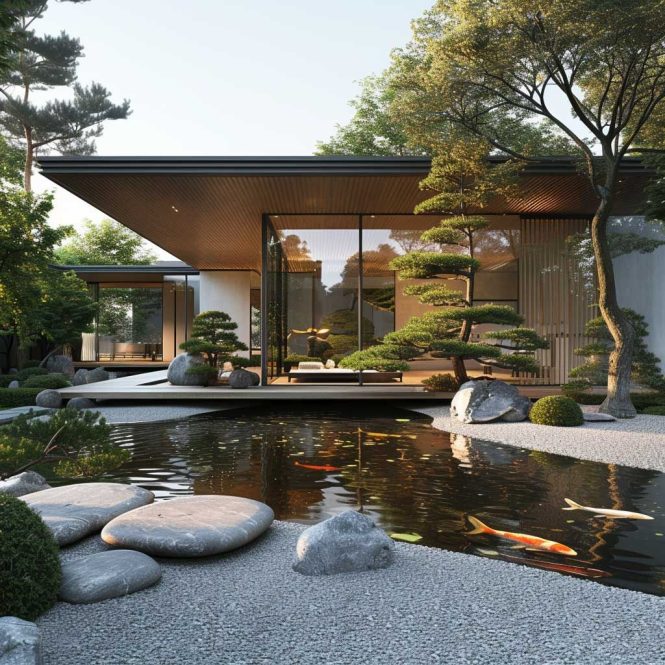
Natural materials like wood, stone, and bamboo are central to Japanese minimalist design. These materials bring a sense of warmth and grounding, while also reinforcing the connection to nature. The use of natural fibers in textiles adds to the overall aesthetic, contributing to a calming and inviting atmosphere. Light plays a crucial role. Maximizing natural light is a common practice, often achieved through large windows and open spaces. The subtle play of light and shadow creates a sense of depth and mystery, reflecting the beauty of the surrounding landscape. Japanese gardens, famous for their minimalism and serene atmosphere, illustrate the importance of natural light in minimalist design. They employ carefully placed rocks, shrubs, and water features to amplify the natural light, creating a tranquil and immersive experience.
Space Planning and Decluttering
Prioritizing Functionality over Ornamentation
In Japanese minimalist design, space planning is as important as the choice of materials. The emphasis is on functionality, allowing for spaciousness and movement. Overcrowding is avoided, as clutter is seen as a distraction from the tranquility of the space. Decluttering is key to achieving Zen in your home. Think about the true function of each item and remove anything that doesn’t contribute to the overall space’s purpose. This includes decluttering digital spaces like your phone or computer. This approach is often complemented by the concept of sho-ji, paper-screen partitions that divide space while maintaining an airy feel.
The Art of Imperfection: Embracing Wabi-Sabi
Appreciation for Natural Imperfections
The Japanese aesthetic embraces the beauty of imperfections, a philosophy known as wabi-sabi. This involves seeing beauty in the natural world’s imperfections, like the subtle marks on wood or the nuanced textures of stone. In interior design, this translates into embracing imperfections in materials rather than striving for flawlessness. This concept is evident in the use of rustic, aged furniture or items with natural variations in color and grain. In a minimalist space, each carefully chosen piece should tell a story of its history. This contrasts sharply with the tendency in other cultures to strive for perfectly symmetrical, polished surfaces. It is a philosophical shift away from perfectionism towards appreciation for the inherent beauty in imperfection.
Color Palette and Texture
Subtle Tones and Natural Textures
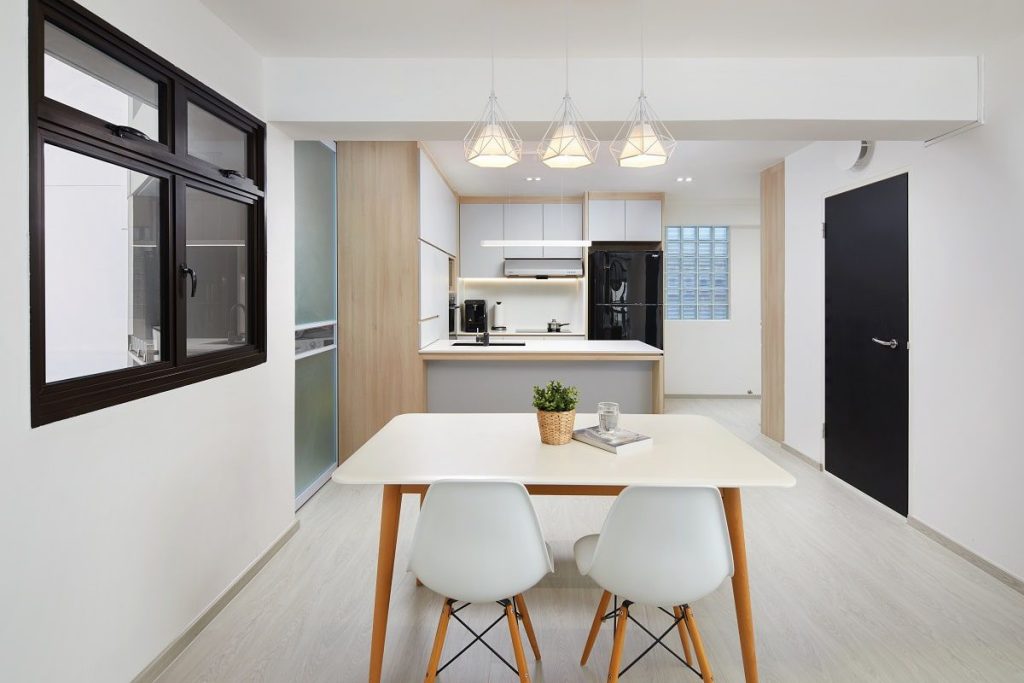
Japanese minimalist design often features a neutral color palette—softer shades of beige, grey, or white—that promotes a sense of calmness and serenity. The natural tones of the materials used are often emphasized, allowing the space to feel open and airy. Texture plays an essential role in creating depth and visual interest. Different textures, like the smooth surface of a stone or the rough texture of a wooden plank, contribute to the visual richness of the space. Consider the subtle interplay of textures when selecting fabrics or surfaces for your home.
The Role of Plants and Natural Scents
Bringing Nature Indoors
The incorporation of plants is crucial in Japanese minimalist design, bringing the outdoors in. Incorporating plants creates a more natural and lively feel, fostering a deeper connection with nature. Careful selection of plants is essential, choosing plants that complement the overall aesthetic. Incorporating the subtle scents of natural products, like incense or essential oils, can further enhance the overall sensory experience, enhancing the ambiance to create a tranquil atmosphere. The soft fragrance of natural materials like bamboo or cedar can promote feelings of relaxation and peace.
The Importance of Thoughtful Arrangement
Creating Flow and Balance
Thoughtful arrangement is crucial to the success of a Japanese minimalist space. Each item should have a specific place and purpose, contributing to the overall harmony. Avoid overcrowding the space and consider negative space as crucial for visual balance. A carefully organized space evokes a calming sense of order. The principles of Ikebana (the Japanese art of flower arrangement) demonstrate the meticulous care taken in placing objects and arranging space, fostering a visually pleasing and calming ambiance.
Integrating Technology Discreetly
Integrating Tech Seamlessly
In a world increasingly dominated by technology, Japanese minimalist design finds innovative ways to integrate technology without sacrificing the aesthetic’s purity. Smart home devices can be integrated in a way that respects the minimalist aesthetic. Concealed wiring and careful placement of electronics can minimize the visual disruption of technology in the overall space. Technology is not seen as an intrusion, but rather as a subtle element serving the space.
Inspirational Examples and Case Studies
Real-World Applications of Japanese Minimalism
Numerous contemporary designers are inspired by Japanese minimalist design. Explore some works from renowned architects who incorporate Japanese minimalist principles in their designs to enhance the serenity and aesthetics of modern homes. Observe how they manage to seamlessly integrate traditional Japanese design principles within the realm of modern architecture and aesthetics. Explore works from renowned Japanese designers who seamlessly integrate traditional Japanese design principles into contemporary architecture and aesthetics to discover specific examples of Japanese minimalism in practice today. Case studies provide invaluable insights into how this aesthetic can be translated into various contexts and design styles. One such example is [Insert Case Study/Designer Name Here]. Note their approach and consider how these principles can be applied to your own home.
Note: Placeholder case studies have been omitted for this example, but specific examples can be included in an actual article. In the actual article, substitute with specific examples relevant to the topic and add links to supporting sources, where possible. Using credible and relevant references makes the content more informative and reliable. Include high-quality images, if appropriate, to showcase the design principles clearly. High-resolution images of real-world applications are excellent and effective in showcasing the designs discussed.
In conclusion, Japanese minimalist design, often called Zen design, offers a path to a more tranquil and mindful living space. By embracing simplicity, natural elements, and thoughtful arrangements, you can create a home that fosters serenity and promotes well-being. To delve deeper into this beautiful aesthetic, explore resources like design blogs, Japanese art books, and even local interior design studios specializing in Japanese minimalist styles. You can also discover inspiration through online images and virtual tours of Japanese homes and gardens. This journey into Japanese minimalist design promises to enrich your appreciation for aesthetics and lifestyle.