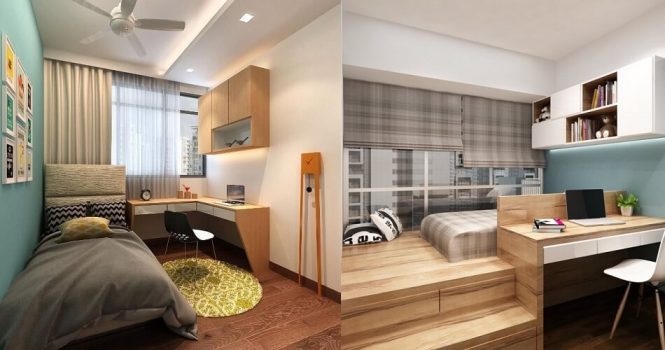

Choosing the right interior designer is paramount to achieving your dream home. A skilled and passionate interior designer can elevate your living space, transforming it into a personalized sanctuary. But with so many designers vying for your attention, how do you choose the right one for your unique needs and style? This guide will walk you through the process of selecting an interior designer who will craft the perfect vision, ensuring a space that truly reflects you.
Understanding Your Needs and Expectations
Defining Your Style and Vision
Before embarking on your search, take time to define your personal style and vision for the space. What aesthetic do you gravitate towards? Modern, traditional, minimalist? Do you have any specific elements you want to incorporate? This introspection will significantly narrow down the pool of potential designers. Consider Pinterest boards, interior design magazines, and even visit homes you admire to gain inspiration. Visualizing your desired outcome is paramount. Create mood boards and jot down ideas; this will help you articulate your vision clearly to potential designers.
Setting a Realistic Budget
Interior design projects vary greatly in cost, depending on the scope of the project, materials, and the designer’s experience. Establishing a realistic budget from the outset is crucial to avoid surprises or disappointments later on. Be transparent with potential designers about your financial constraints, and inquire about their pricing structure. Discuss the different packages they offer, if any, and understand what’s included. Having a clear budget in mind protects your project from unexpected cost overruns and guides your decision-making process throughout the entire design journey.
Defining the Scope of Work
Articulate the specific aspects of the project you need help with. Is it a complete home renovation, or just a few rooms? Are you looking for assistance with space planning, color schemes, furniture selection, or all of it? Clearly defining the scope of work will allow you to avoid misunderstandings and prevent your designer from taking on a task beyond their expertise or your budget. Open and honest communication regarding the project scope will keep you both on the same page.
Researching Potential Interior Designers
Identifying Potential Designers
Thoroughly research potential interior designers. Start by asking for recommendations from friends, family, or colleagues who have had positive experiences. Online platforms and reviews can provide valuable insights into designers’ styles, expertise, and client testimonials. Consider a designer’s portfolio and past projects. Look for designers whose work resonates with your personal style and vision. Websites, social media, and online portfolios are all great starting points. Remember to check if they are licensed and insured where you live and ensure they have the relevant credentials for your project.
Evaluating Design Philosophies and Approach
Evaluate potential designers based on their design philosophy and approach. How do they communicate their designs? Are they able to understand your style preferences and needs? Do they have a specific design aesthetic that resonates with your personal taste? Schedule consultations with a few prospective candidates to get a feel for their communication style, their design approach, and their personality. This will allow you to see how well you mesh as a client and designer. This first interaction will give you crucial insight into how well you collaborate and their overall design vision.
Understanding Design Processes
Inquire about their design process. What are the steps involved in turning your vision into reality? A detailed understanding of the process will help you make informed decisions. Ask about their communication methods, timelines, and how they will manage the project, including your feedback, and any changes along the way.
Setting Expectations and Contracts
Defining Clear Expectations and Objectives
Establish clear expectations and objectives with the chosen interior designer. This includes establishing timelines for project phases, budget details, communication frequency, and dispute resolution procedures. Document all agreed-upon points in a written contract. Clearly outline the scope of the work and deliverables, and discuss how you will handle potential design revisions or adjustments. This will help ensure transparency and prevent misunderstandings.
Evaluating Design Proposals and Contracts
Carefully review any proposals or contracts from the interior designer to ensure they outline the key details about the design process and the responsibilities and expectations of both parties. Ask questions if anything is unclear. Don’t be afraid to negotiate or seek alternatives if necessary, but remember that the most important thing is to work with an interior designer who understands your needs and expectations. Review all terms, timelines, and payment structures. The contract should outline the payment schedule and any penalties for delays or deviations from the agreed-upon scope.
Choosing the Right Designer-Client Relationship
Establish a collaborative relationship with your designer that fosters clear communication, mutual respect, and a shared vision for your project. Be upfront about your ideas and expectations. Don’t be afraid to offer your opinions, but be open to feedback and suggestions as well. Ultimately, the success of the interior design project hinges on a solid foundation of trust and transparency between the designer and client.
Managing the Design Process
Maintaining Open Communication Channels
Maintain consistent and open communication channels with the designer throughout the project. Be available to discuss ideas, and provide feedback on designs, materials, and selections. Share any concerns you have promptly. Regular meetings and consultations can help ensure that the project stays on track, addresses any unexpected challenges, and produces a final product that perfectly mirrors your envisioned space. Remember to stay organized and keep good records.
Understanding the Design Process Timeline
Discuss expected timelines with the interior designer for different phases of the project, from design concept to final execution. Understand any potential delays, and be prepared to adapt accordingly to maintain a smooth and efficient workflow. Project timelines can be adjusted, but understanding expectations upfront ensures a positive design experience.
Adapting to Changes and Feedback
The design process may involve modifications and revisions based on feedback and changes in the overall plan or budget. Ensure that the design process remains adaptable and open to adjustments. Establish a method for feedback, whether through in-person meetings, email exchanges, or other mediums that facilitate seamless communication.
Finalizing and Completion
Reviewing Final Designs and Selections
Carefully review the final design plans, selections, and specifications before the project proceeds to the implementation stage. Verify that all aspects of the design align with your initial vision and remain within budget. This final review ensures everyone is on the same page before proceeding. Seek clarification on any remaining questions or concerns.
Managing the Implementation Process
Engage with the designer to ensure a smooth implementation process for the final project. Review any remaining details with the contractor. Ensure the designer is responsible for overseeing the implementation of the project to guarantee that the design vision is realized faithfully and accurately. Proper oversight is key for a successful result.
Post-Project Evaluation
After the project is completed, evaluate your experience with the interior designer. What worked well, what could be improved? This reflection will be beneficial to guide future projects. Expressing satisfaction or concerns contributes to a collaborative and successful design experience for future endeavors.
Conclusion
FAQ
FAQ
FAQ
In conclusion, choosing the right interior designer is crucial for any homeowner looking to achieve their dream space. By carefully considering your needs, researching potential designers, and setting clear expectations, you can ensure a successful and rewarding design experience. Remember to prioritize communication, establish a budget, and understand the designer’s design philosophy. A well-chosen interior designer can transform your home into a personalized sanctuary that reflects your style and personality. To find a designer who perfectly aligns with your vision, take the first step today! Visit our website for a list of qualified interior designers near you.