Choosing the right exterior materials is paramount for a beautiful and durable home. The exterior of your home is the first thing people see, impacting curb appeal and overall value. Exterior materials not only enhance the aesthetic but also protect your home from harsh weather and environmental factors. Many homeowners struggle with selecting materials that meet both their budget and long-term needs. This comprehensive guide will walk you through the essential considerations for selecting the best exterior materials, offering practical advice and a clear framework for your decision-making process. This article will cover key material types, factors to consider during your selection process, budget-friendly alternatives, and how to maintain your chosen materials for years to come.
Understanding Your Home’s Exterior Material Needs
Factors Influencing Your Choice
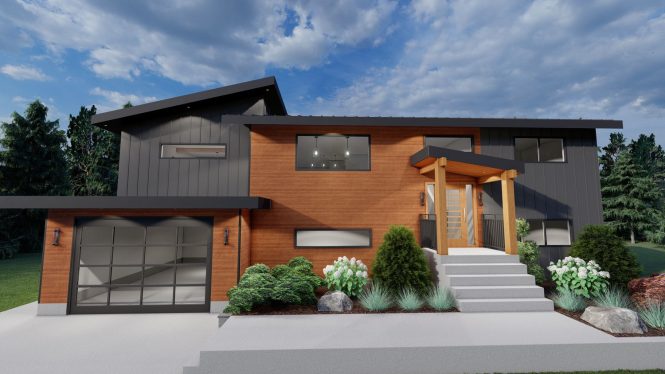
Choosing exterior materials is a multi-faceted decision that balances aesthetics, budget, and long-term needs. Several factors will influence your choice. Your home’s architectural style plays a crucial role in selecting the right materials. A modern home might benefit from sleek metal siding, while a traditional home might pair well with wood or stone. The climate in your area is another major determinant. Extremely cold climates require materials that can withstand harsh winters, while regions prone to heavy rainfall need materials resistant to moisture damage. Your budget also plays a pivotal role; different materials come with various price tags, impacting your total project costs.
Exploring Different Exterior Material Options
Types of Materials and Their Advantages
A wide variety of exterior materials offer different benefits. Wood siding, for instance, provides warmth and natural beauty. However, it requires regular maintenance and is susceptible to rot and pests. Vinyl siding is a popular, affordable alternative that resists rot and insects but might not possess the same aesthetic appeal as wood. Stone or brick offers a classic look and durability but carries a higher price tag. Metal siding provides a modern feel with impressive durability. Composite materials, a relatively new entry, combine the best aspects of different materials, blending durability and design.
Evaluating the Costs and Budget Implications
Budgeting for Exterior Material Selection
Determining the total cost is crucial. Different exterior materials have varied price points per square foot. Consider not only the materials themselves but also installation costs, permits, and labor. Consider gathering multiple quotes from contractors to get a better understanding of the costs involved. Researching budget-friendly alternatives can significantly reduce costs without sacrificing quality. For instance, using lighter colors for your siding can help reflect heat, reducing the amount of energy your home uses for cooling – potentially saving money on energy bills in the long run.
Long-Term Maintenance and Durability
Understanding Material Lifespan and Maintenance
Understanding the long-term maintenance requirements of different materials is critical. Wood siding, for example, needs regular sealing and painting to prevent rot and decay. Vinyl siding, while low-maintenance, may need occasional cleaning and repair. Stone or brick requires less frequent upkeep but can be more expensive to repair if damaged. Consider the potential costs and effort required for material maintenance. This will enable a more informed choice that aligns with your lifestyle.
Considering the Aesthetic Appeal and Style
Aligning Materials with Your Home’s Architectural Style
The aesthetic appeal of your chosen materials is paramount. Select materials that complement your home’s architectural style. A modern home with clean lines might look great with sleek metal siding, while a craftsman-style home might benefit from wood siding. Consider the colors, textures, and patterns that will best express your taste and enhance your property’s visual appeal. Seek inspiration from local architectural styles and landscaping trends in your neighborhood.
What are some sustainable exterior material choices?
Consider eco-friendly materials such as reclaimed wood, bamboo siding, or sustainable paints. These options have a lower environmental impact, contributing to a greener home and potentially reducing your carbon footprint. Look for materials certified by environmental organizations for their sustainability practices and reduced impact on the planet. Many builders also offer environmentally-friendly materials through their supply chain.
What are the steps to take before choosing exterior materials?
Before finalizing your exterior material choice, gather information about local building codes, energy-efficient options, and available subsidies or rebates. This research can help you make an informed decision aligned with your needs and the regulations in your area. Consider contacting a local architect or contractor for professional guidance and recommendations tailored to your specific situation.
How do exterior materials affect the value of my home?
Certain exterior materials, like high-quality stone or cedar siding, can significantly increase the value of your property. Choosing durable and aesthetically pleasing materials will help enhance your home’s curb appeal and its market value. Conversely, poorly selected materials might decrease your property’s desirability, and ultimately, its market value.
What is the typical lifespan of different exterior materials?
The lifespan of exterior materials varies considerably. Wood siding, while beautiful, might require replacement every 20-30 years. Vinyl siding, on the other hand, can last up to 50 years with proper maintenance. Stone or brick, known for their durability, can last much longer. Thorough research into the lifespan and maintenance requirements will prove helpful when making your choice.
Frequently Asked Questions
How do I choose the right exterior materials for my budget?
When selecting exterior materials, it’s essential to weigh the costs of materials, installation, and potential long-term maintenance against your budget. Explore affordable alternatives like vinyl siding or composite materials. Compare quotes from multiple contractors, and consider options that might offer long-term cost savings through energy efficiency or reduced maintenance. You can also look for discounted materials or promotions from suppliers. Also consider DIY options, but be realistic about your time commitment.
In conclusion, choosing the right exterior materials for your home is a crucial decision that impacts both its aesthetic appeal and its long-term value. By carefully considering factors like budget, climate, and style, you can select materials that not only enhance your home’s curb appeal but also provide lasting protection and durability. Remember to research different options, seek professional advice when needed, and prioritize materials that align with your long-term goals and preferences. Contact a local contractor or architect for guidance, and start planning your dream exterior today!