
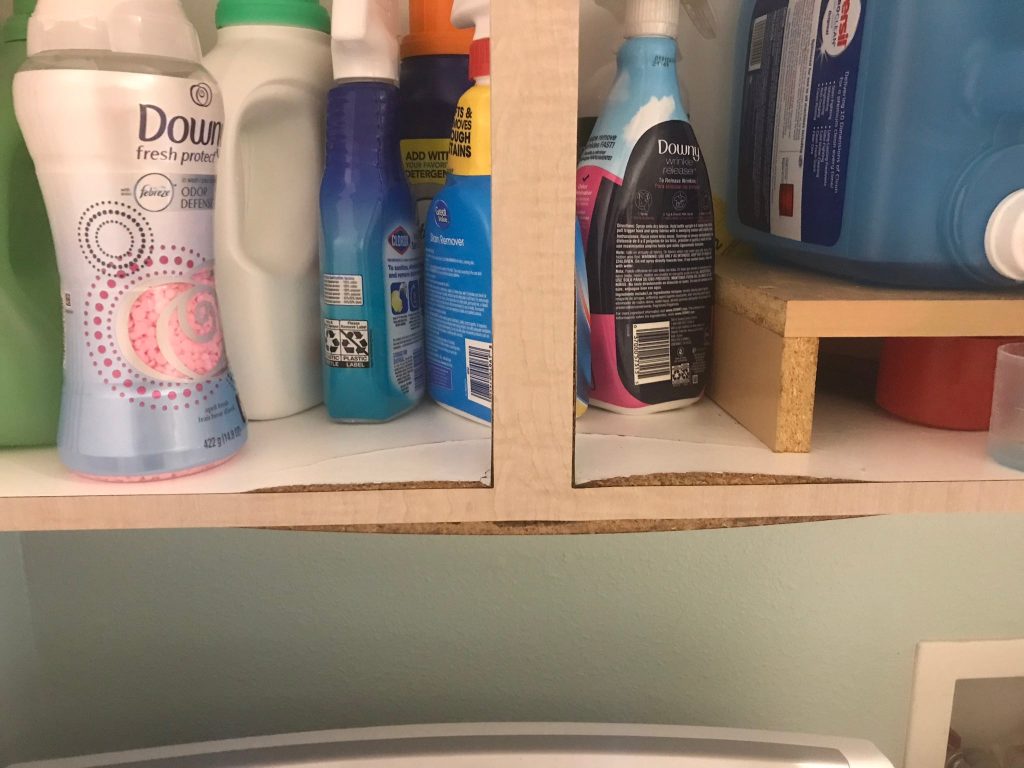
DIY cabinet repair hacks offer a fantastic way to breathe new life into your kitchen or bathroom cabinets without breaking the bank. Whether you’re facing a chipped paint job, a loose handle, or a warped door, there are often simple solutions at your fingertips. DIY cabinet repair isn’t just about saving money; it’s about developing a skillset to handle home improvement projects. Many common cabinet issues can be addressed with basic tools and readily available materials. This article dives into various DIY cabinet repair hacks, offering practical advice and step-by-step instructions to get you started. We’ll cover everything from fixing scratches and dents to replacing handles and refinishing cabinets. Get ready to tackle those cabinet woes confidently!
Understanding Common Cabinet Issues
Identifying Damage and Repair Needs
Often, homeowners overlook the potential for DIY cabinet repairs. Many issues, such as chipped paint or a loose hinge, are surprisingly straightforward to fix. Recognizing these issues early on can save you a considerable amount of money compared to calling a professional. This understanding of typical cabinet problems is crucial for successful DIY projects.
Assessing the Extent of Damage
Before diving into any repair, accurately assess the extent of damage. This preliminary step will help you choose the right tools and materials and develop an effective strategy. Whether it’s a chipped finish on a drawer front or a creaking hinge, understanding the severity will allow for a realistic approach to the repair.
Simple Fixes vs. Complex Repairs
Some problems are simple enough for DIY enthusiasts to tackle, while others may require professional help. Loose screws, chipped paint, and broken knobs are generally easy fixes. However, issues like structural damage or significant warping might need professional expertise for a lasting repair.
Repairing Scratches and Dents
Identifying Types of Damage
Scratches and dents are common cabinet woes, often caused by everyday use or accidental bumps. The type of damage dictates the repair method. Light scratches may require touch-up paint, while deeper scratches might need a more involved wood filler application.
Using Wood Fillers and Touch-Up Paint
Wood fillers are excellent for filling minor dents and scratches. Choose a filler color that closely matches your cabinet finish. Apply the filler, let it dry, and then sand it smooth before applying touch-up paint for an invisible repair. For paint damage, use touch-up paint that perfectly matches your existing cabinet finish to achieve a seamless repair.
Advanced Repair Techniques (for Deeper Damage)
Deeper scratches or dents might require more extensive techniques. If the damage goes beyond the surface, consider using wood filler or putty to fill the cavity. This is often followed by sanding and repainting to maintain a smooth finish. If you are unsure about the best approach, consult a guide or search online for appropriate tutorials.
Fixing Loose Handles and Knobs
Identifying the Problem
Loose or broken handles and knobs can be frustrating and are easily fixable. Often, the issue lies with loose screws or damaged mounting hardware. This section focuses on the proper identification of the problem to ensure an effective fix. This can include checking the screw tightness and examining the mounting hardware for any visible damage.
Replacing Damaged Hardware
Often, replacing damaged hardware with identical new pieces is an ideal solution. Use the right size and type of screws to prevent future issues. When in doubt, double-check the manufacturer’s instructions or consult an online guide for detailed instructions.
Enhancing Functionality
Adding new handles can significantly upgrade your kitchen cabinets’ aesthetics. Choose handles and knobs that complement your kitchen’s style and add a touch of modernity or classic appeal.
Refinishing Cabinets for a Fresh Look
Assessing the Current Finish
Refinishing cabinets can significantly revitalize the look of your kitchen or bathroom. Assess the existing finish and determine the best approach. A worn, faded finish can often be revived with a fresh coat of paint or stain. Identifying the condition of the existing finish is critical to the success of the project.
Selecting the Right Materials and Tools
Choosing the right materials, like sanding materials, paints, stains, and sealants, is crucial. Select tools appropriate for the task, such as paintbrushes, rollers, and sanders, ensuring you have all the tools needed for a successful refinishing project. This includes selecting the appropriate primer, topcoats, and stains to ensure a durable and attractive finish.
Step-by-Step Refinishing Guide
Before you begin, prepare the cabinets by removing hardware, cleaning thoroughly, and sanding to smooth any imperfections. Apply primer, then paint or stain, and seal for a smooth finish that improves durability and aesthetics. This process often requires multiple coats and proper drying time between coats.
Replacing Broken Hinges
Identifying Broken Parts
Broken hinges are a common cabinet repair problem and a primary source of squeaky or dysfunctional cabinet doors. Identifying the broken parts is crucial. Determine the type of hinge you have and whether the screws are loose or the hinge itself is damaged. Careful observation and assessment are key to effective hinge replacement.
Selecting Replacement Hinges
Choosing the correct replacement hinges is vital. Match the size, type, and finish to your existing cabinet hardware. Ensure that the new hinges are compatible with the cabinet doors and frames to ensure a seamless fit.
Proper Installation for Lasting Functionality
Once you have selected the replacement hinges, carefully install them following the instructions. This crucial step will ensure smooth operation and prevent future issues. This often includes aligning the doors to the frames and ensuring that the hinge screws are tightened properly.
In conclusion, DIY cabinet repair hacks offer a cost-effective and resourceful way to revitalize your kitchen or bathroom cabinets. By following the steps outlined in this guide, you can tackle common repairs with confidence, saving both money and time. Remember to prioritize safety and use the right tools for the job. If you encounter complex issues, consider seeking professional help. Don’t hesitate to experiment and adapt these hacks to suit your specific needs and cabinet types. Happy DIY-ing! Contact us today for additional assistance and resources!