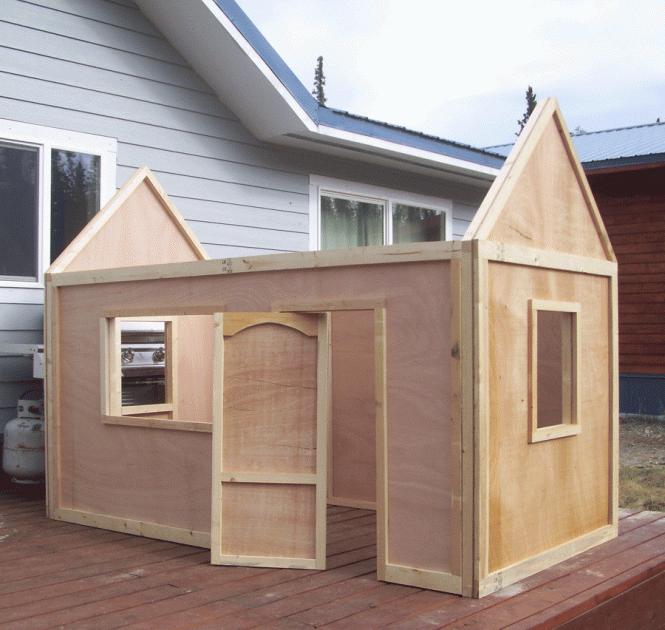
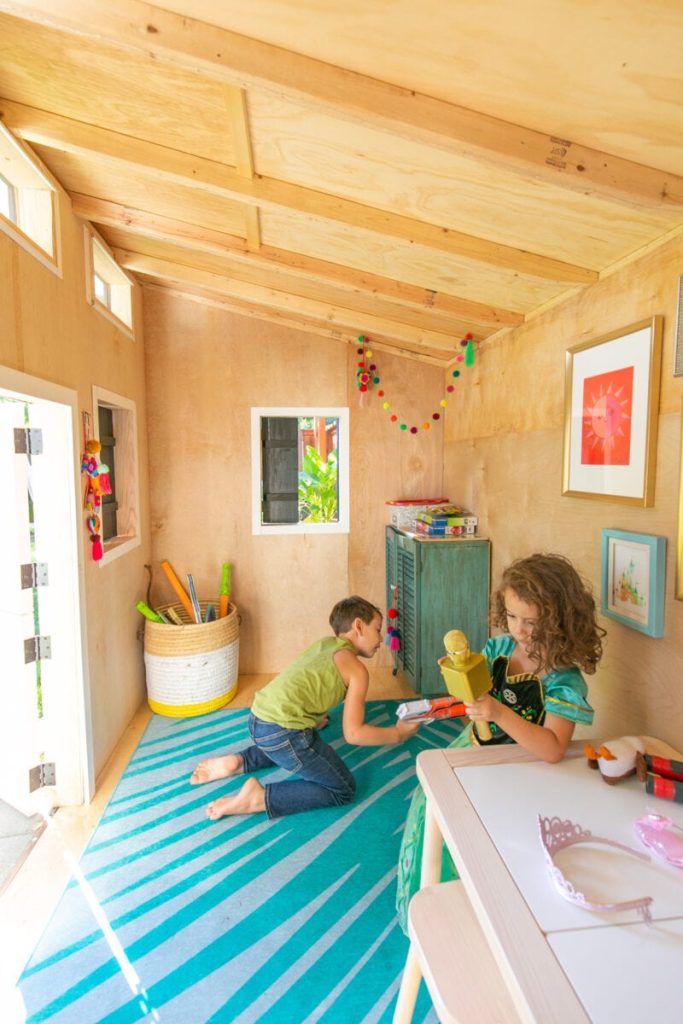
Creating a wooden playhouse is a fantastic way to give your children a safe and engaging outdoor play area. It’s a project that combines creativity, craftsmanship, and a deep connection with your kids. A wooden playhouse provides a space for imaginative play, fosters independence, and creates lasting memories. However, building a wooden playhouse can be challenging, involving meticulous planning, careful material selection, and a good understanding of construction techniques. This comprehensive guide will walk you through every step of creating a stunning wooden playhouse for your kids, from initial design to final assembly. This article will cover essential planning aspects, material selection, step-by-step instructions, safety considerations, and design ideas. Prepare to embark on a creative journey of woodworking, creating a delightful space where your kids can unleash their imaginations.
Planning Your Wooden Playhouse
Initial Design and Layout
Creating a detailed plan is crucial to ensure the playhouse meets your needs and your child’s imagination. This process involves defining the desired size, shape, and layout of the playhouse. Consider your child’s age and play preferences. Will it be a simple structure or a more elaborate design with rooms or separate play areas? Drawing preliminary sketches or using online playhouse design tools can help visualize your concept. A well-defined plan will guide your material selection and construction process, saving you time and frustration in the long run. Think about the playhouse’s location in your yard. You want to choose an area that receives ample sunlight and is free from obstructions or hazards. Also, consider how the playhouse will integrate with the existing landscaping and surroundings.
Selecting the Right Materials
Essential Wood Types and Their Properties
Choosing the right wood for your playhouse is crucial for longevity and safety. Consider factors like durability, resistance to rot and weather, and ease of working with. Cedar, redwood, and pressure-treated lumber are popular choices due to their weather resistance and natural durability. Consider the moisture level of the wood; make sure it’s properly dried to avoid warping or cracking. In addition to lumber, you’ll need screws, nails, hinges, and other hardware to ensure a secure and long-lasting structure. Consider using galvanized or stainless steel hardware to prevent rust.
Building the Playhouse Frame
Constructing a Solid Base
Building the playhouse frame is a crucial step, establishing the playhouse’s structural integrity. Start by laying down a solid foundation that will support the entire weight of the playhouse. The foundation material may vary based on the design and intended playhouse size, but ensuring it’s level and stable is paramount. Use sturdy lumber for the frame, ensuring the beams are properly joined and reinforced. A well-built frame ensures stability and prevents the structure from sagging or collapsing under weight. Remember to use proper safety equipment and techniques to avoid injuries during construction. Use the pre-designed plans as a guide for the proper support points and reinforcement.
Adding Walls and Roofing
Building Durable Walls and a Weatherproof Roof
Once the frame is complete, you can begin assembling the walls and roof of the playhouse. Use appropriate fasteners to secure the wooden boards, ensuring a tight fit and strong connection between the panels. Choose weatherproof materials for the roof, like plywood or composite shingles to resist rain, snow, and other inclement weather. Consider adding a rain gutter system to direct water away from the structure to prevent water damage and ensure longevity.
Finishing Touches and Safety Features
Details that Complete the Design and Ensure Safety
This is where you add the final details. Install doors, windows, and any other desired features, such as a small porch or a built-in bench. Ensure all edges and corners are smooth and sanded to prevent splinters. The finishing touches, such as painting or staining the wood, will enhance the aesthetic appeal and protect it from the elements. Prioritize safety features, installing secure handrails and guards around steps and staircases. Consider adding a sturdy lock to the door or entrance to maintain security and privacy, especially for children. Ensure all hardware meets local safety codes for children’s play structures. Lastly, create a surrounding area to make sure your playhouse and your child’s safety is well-thought-out. A grassy area or play area around the wooden playhouse is a great addition!
In conclusion, building a wooden playhouse for your children is a rewarding project that fosters creativity, imagination, and strengthens the parent-child bond. By following a detailed plan, choosing quality materials, and employing careful craftsmanship, you can create a safe, fun, and beautiful play space. Remember to prioritize safety throughout the entire process, ensuring the structure is stable, secure, and meets the necessary safety standards for your children’s play area. Don’t hesitate to ask questions or seek advice from experienced builders or online communities, and don’t be afraid to adapt the design to suit your family’s needs and budget. This investment in a wooden playhouse will be an asset for years to come, providing a lasting memory and a valuable space for your children to explore, play, and create. Ready to start building? Find a blueprint that speaks to you and begin your woodworking journey today!