Craftsman exterior design offers a unique blend of artistic craftsmanship and detailed aesthetics, creating a timeless charm. Imagine a home that seamlessly blends traditional elements with modern functionality, showcasing a unique and captivating curb appeal. This style, deeply rooted in the early 20th century, continues to inspire homeowners today, offering a harmonious union of beauty and practicality. Many homeowners grapple with choosing the right materials and techniques for achieving this look, leading to a desire for a comprehensive guide to help them navigate the nuances of this design approach. This article explores the essential aspects of Craftsman exterior design, providing practical advice and inspiring examples, and will guide you through the process from concept to execution. This comprehensive guide will delve into the core elements of the design, from material selection and detailed craftsmanship to achieving that quintessential Craftsman aesthetic. By the end, you’ll have a clearer understanding of how to create a truly stunning and harmonious exterior.
Understanding the Craftsman Style
Historical Roots and Principles
The Craftsman style emerged in the early 20th century, a reaction against the ornate Victorian era. It emphasized functionality, simplicity, and natural materials. Its design draws inspiration from the Arts and Crafts movement, emphasizing handcrafted details and a connection to nature. Key design elements often include exposed beams, wide eaves, and decorative woodwork. This style celebrates the warmth and inviting nature of homes with exposed materials and handcrafted elements, creating a welcoming and inviting space. Many Craftsman homes feature a symmetrical façade, often complemented by appealing front porches. These homes are often characterized by their use of natural light and well-placed windows, creating a cheerful and welcoming ambiance. Understanding the roots of this style is paramount to capturing its essence and implementing its unique details correctly.
Material Selection for Craftsman Homes
Choosing Durable and Aesthetic Options
Selecting materials is crucial for achieving the Craftsman aesthetic. Materials such as wood, brick, and stone are often favored for their natural beauty and durability. Wood, whether for siding, trim, or accents, is a cornerstone of the Craftsman style. Choosing the right wood species can significantly impact the character of your home. Consider the durability, maintenance requirements, and aesthetic properties of various wood options. Natural stone adds warmth and a timeless appeal to the exterior. Brick provides structure and can be used creatively in varied patterns or as a feature wall. Incorporating metal accents, such as copper or zinc, adds a modern touch while respecting the historical roots of the style. Properly sealing and maintaining these materials will ensure longevity and the integrity of your home’s exterior for years to come.
Detailing and Craftsmanship
Enhancing the Craftsman Style
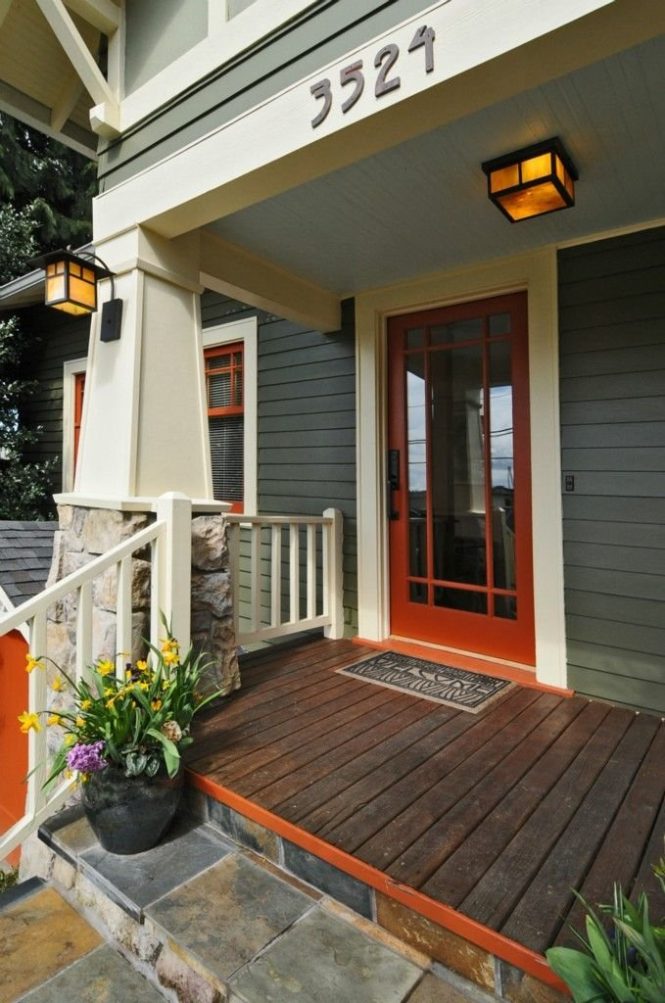
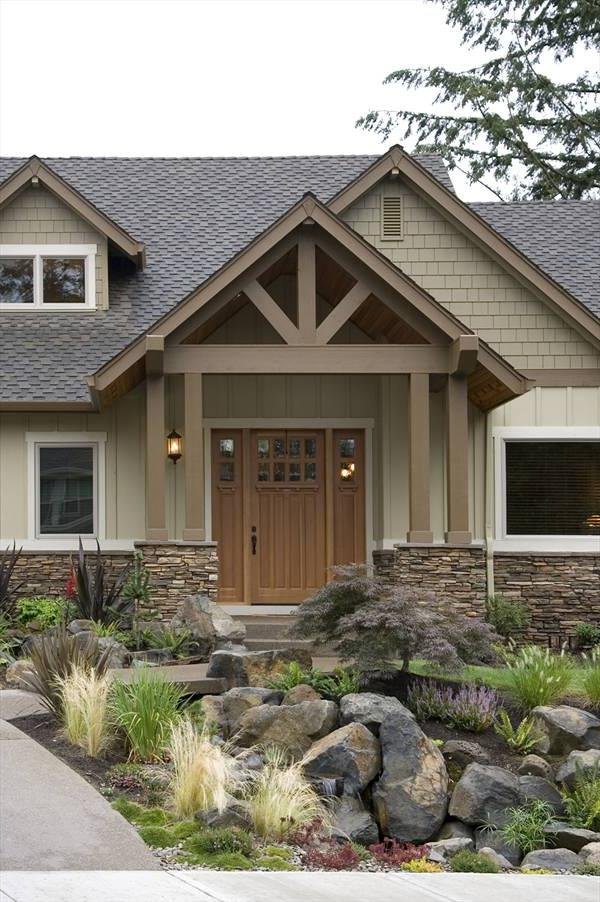
Craftsmanship is at the core of the Craftsman aesthetic. Exposed beams and rafters add texture and a sense of warmth to the exterior. These elements bring a striking architectural feature to the home’s exterior. Careful attention to detail in the trim work, such as using decorative brackets, corner boards, and window surrounds, further elevates the visual appeal. Consider using decorative columns or pillars to create visual interest. The selection and placement of windows and doors are also important for a balanced and inviting exterior. A well-executed Craftsman exterior design elevates a house’s curb appeal. A Craftsman home is distinguished by its distinctive window designs, such as large, rectangular or arched windows. Each detail, from the roofline to the hardware, must be meticulously crafted to create an enduring aesthetic.
Creating a Harmonious Exterior
Integrating Landscaping and Architecture
The landscaping plays a significant role in completing the Craftsman exterior design. Consider planting low-maintenance shrubs and trees that complement the architectural style. The use of native plants adds a touch of elegance and ensures the plants harmoniously blend with the surrounding environment. Strategic use of hardscaping elements, such as patios, walkways, and retaining walls, adds depth and functionality to the exterior. Incorporate elements like flowerbeds and seating areas that reflect the design principles of simplicity and natural beauty. Ensure that the landscaping complements the home’s proportions and materials, achieving a balanced and well-rounded aesthetic.
Sustainable Craftsman Design
Eco-Friendly Approaches
Integrating sustainable practices into the Craftsman design process allows homeowners to create an eco-friendly and visually appealing home. Using recycled or reclaimed materials adds character and promotes sustainability. This practice reduces reliance on virgin resources and reduces the environmental footprint of construction. Consider using energy-efficient windows and doors that minimize energy consumption. By implementing energy-efficient materials, you can help reduce your home’s carbon footprint and minimize your energy costs. Strategic use of natural light and ventilation minimizes reliance on artificial lighting and heating, leading to lower utility bills and a smaller environmental impact.
Frequently Asked Questions
What are the key characteristics of Craftsman exterior design?
The key characteristics of Craftsman exterior design include natural materials like wood and stone, simple lines, exposed beams and rafters, and decorative trim. The design emphasizes the warmth and welcoming nature of homes with exposed materials and handcrafted elements. This style celebrates a unique and harmonious blend of beauty and functionality. The Craftsman exterior is easily identifiable by its distinctive porch, the incorporation of natural light, and its carefully designed details.
How can I incorporate sustainable elements into a Craftsman exterior design?
Incorporating sustainable elements into a Craftsman exterior design is achievable by selecting recycled or reclaimed materials, using energy-efficient windows and doors, and incorporating sustainable landscaping practices. By reducing reliance on virgin resources and adopting sustainable construction methods, you can minimize your home’s environmental footprint. You can also prioritize low-maintenance landscaping using drought-resistant plants and native species. Opting for sustainable materials contributes to a smaller environmental impact and results in a significant cost savings in the long run.
In conclusion, crafting a Craftsman exterior design requires careful consideration of materials, details, and overall aesthetic. By understanding the historical roots of the style, and implementing sustainable design choices, homeowners can create a stunning and enduring aesthetic. Ready to transform your home? Explore our comprehensive guide to Craftsman exterior design today! Contact us for a free consultation and let us bring your vision to life.