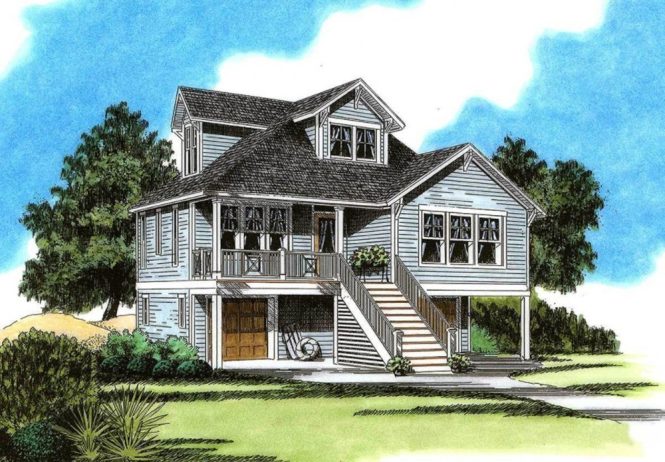
Coastal exterior design offers a unique opportunity to create a serene and inviting atmosphere that perfectly blends with the beauty of the surrounding environment. Imagine a tranquil patio overlooking the ocean, bathed in the gentle glow of the sunset. Coastal exterior design encompasses a wide range of styles and approaches, from minimalist and modern to more traditional and rustic designs, each with its own distinct charm. However, many homeowners struggle with incorporating a cohesive and relaxing aesthetic into their coastal exterior design. This comprehensive guide will address these challenges, providing practical insights and inspiring designs for creating a truly breezy and relaxed coastal exterior. This article will guide you through the essential elements, from material selection to landscaping, enabling you to transform your home’s exterior into a coastal haven. We’ll delve into creating open layouts, maximizing natural light, and incorporating a calming color palette, while providing real-world examples and inspiring projects.
Understanding Coastal Exterior Design
The Essence of Coastal Style
Coastal exterior design is about creating spaces that evoke a sense of tranquility and connection to nature. It’s about embracing the essence of coastal living, with its breezy ambiance and relaxed atmosphere. Key design elements often include natural materials like wood, stone, and rattan, along with a color palette inspired by the ocean and sky, encompassing calming blues, soft greys, and sandy neutrals. The goal is to minimize clutter, maximize natural light, and facilitate smooth transitions between indoor and outdoor living. Think of an open patio that flows effortlessly into your living room, ideal for entertaining and enjoying your coastal retreat.
Material Selection
Choosing the Right Materials for a Coastal Look
Selecting the right materials is crucial for achieving the desired coastal aesthetic. Natural materials like reclaimed wood, weathered wood, and stone are perfect choices for creating a warm and inviting feel. These materials have a natural beauty and durability that withstands the elements and are ideal for coastal climates. For example, using weathered wood for decking creates a unique character, bringing warmth and authenticity to your outdoor spaces. Consider using stone for pathways, walls, or accents; it creates a classic coastal look, integrating the elements beautifully. Metal accents, such as wrought iron or galvanized steel, can add modern touches without compromising the coastal aesthetic. Don’t forget about sustainable choices, supporting the environment while maintaining the desired aesthetic.
Creating Open Layouts
Maximizing Space and Flow
Open layouts are crucial for a breezy and relaxed coastal feel, as they create a sense of spaciousness and seamlessly blend indoor and outdoor living. By minimizing structural barriers, you can make the most of the surrounding environment. Consider removing interior walls to create a wider space. For instance, an open-air patio can flow directly into the living space, enhancing social interaction between family and guests. Sliding glass doors or wide-open windows are excellent for providing visual connections and natural light. This type of design minimizes clutter, promotes a sense of openness, and facilitates a relaxed lifestyle.
Maximizing Natural Light
Bringing the Outdoors In
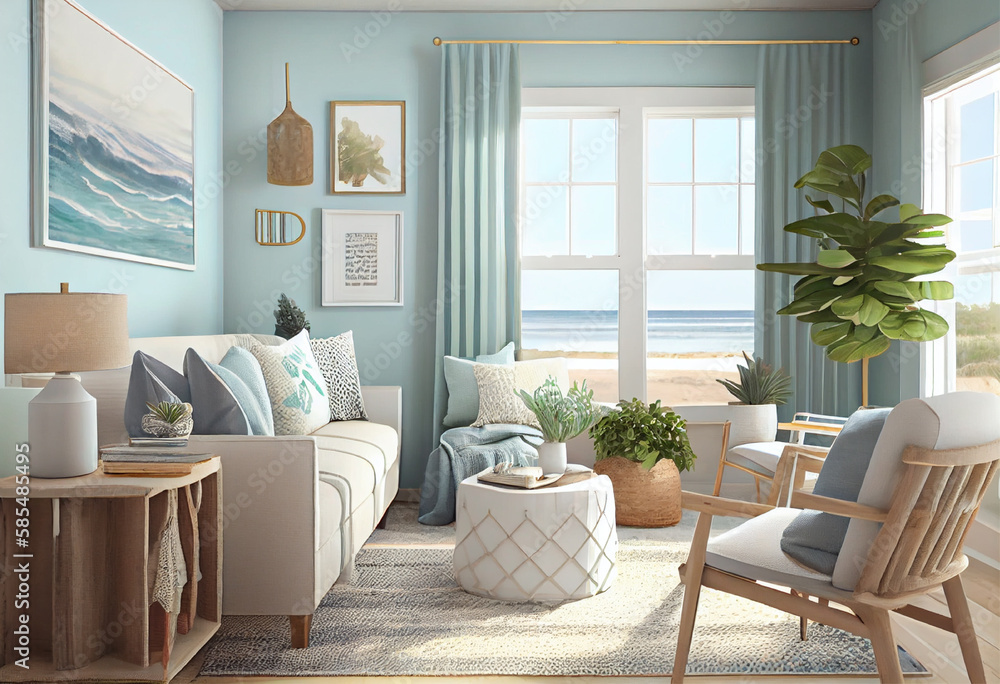
Natural light is essential to creating a welcoming coastal aesthetic. Large windows and skylights are ideal for drawing the outdoors in. This allows the natural light to flood your exterior spaces, creating a bright and airy atmosphere. For example, a home with large windows looking over a beach or ocean offers stunning views and lets the light enhance the space. Strategically placed mirrors can help maximize natural light and create a sense of expansiveness. By making use of natural light, the design becomes an immersive sensory experience that enhances the home’s coastal appeal.
Coastal Color Palettes
Balancing Hues and Calm
A calming color palette is key to achieving a serene coastal atmosphere. Use a blend of cool blues, soft greys, and sandy neutrals. The colors should complement the surrounding environment. For instance, a soft blue-grey siding or exterior paint will immediately create a coastal ambiance. Accent walls or furniture pieces in shades of beige or cream, with pops of coral or turquoise, bring vibrancy without overwhelming the space. This thoughtful color coordination is key to the overall relaxed and inviting coastal aesthetic.
Q2: How can I create a relaxed atmosphere in my coastal exterior design?
A2: Creating a relaxed atmosphere in your coastal exterior design involves minimizing clutter, maximizing natural light, and choosing comfortable outdoor furniture. Open layouts between indoor and outdoor spaces promote easy transitions and relaxed interaction. The color palette should evoke calmness and tranquility, featuring soft blues, greys, and neutrals. These design elements, when combined, ensure that your coastal exterior truly reflects a relaxed and welcoming atmosphere.
Q3: What are some budget-friendly ways to achieve a coastal exterior design?
A3: Budget-friendly coastal exterior design is achievable through the strategic use of natural materials like reclaimed wood or repurposed materials for decking or accents. Look for affordable options for outdoor furniture, and utilize paint colors in light tones and natural shades to create a vibrant yet relaxed feel. Don’t overlook the power of landscaping; strategically placed greenery and plants can add a coastal charm without breaking the bank.
Frequently Asked Questions
Q1: What are some key elements of a successful coastal exterior design?
A1: Key elements of successful coastal exterior design include the strategic use of natural materials like wood and stone, open layouts to connect indoor and outdoor spaces, ample natural light, and a calming color palette that harmonizes with the ocean. These elements create an inviting atmosphere and a beautiful connection to nature. These elements work together to create a space that’s both visually appealing and deeply relaxing.
In conclusion, coastal exterior design offers a fantastic opportunity to create breezy and relaxed spaces that seamlessly blend with the natural beauty of the surrounding environment. By thoughtfully considering the use of natural materials, open layouts, and incorporation of natural light, homeowners can cultivate a truly serene and inviting atmosphere. To begin your coastal exterior design journey, I recommend exploring various design inspirations, consulting with a professional designer, and considering your budget and lifestyle. This will ensure that your vision aligns with both your needs and the character of your home. Don’t hesitate to reach out with any questions or concerns.