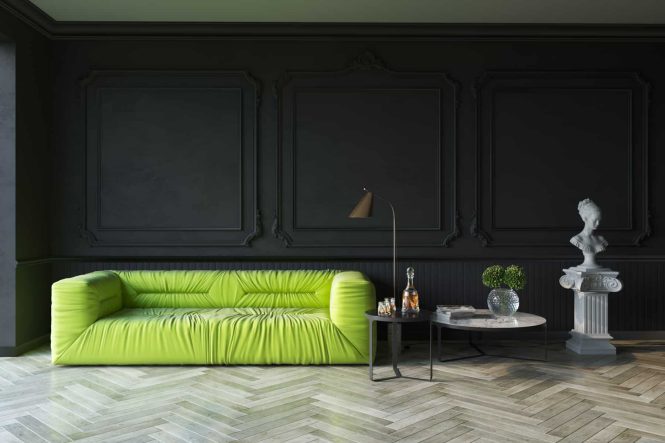
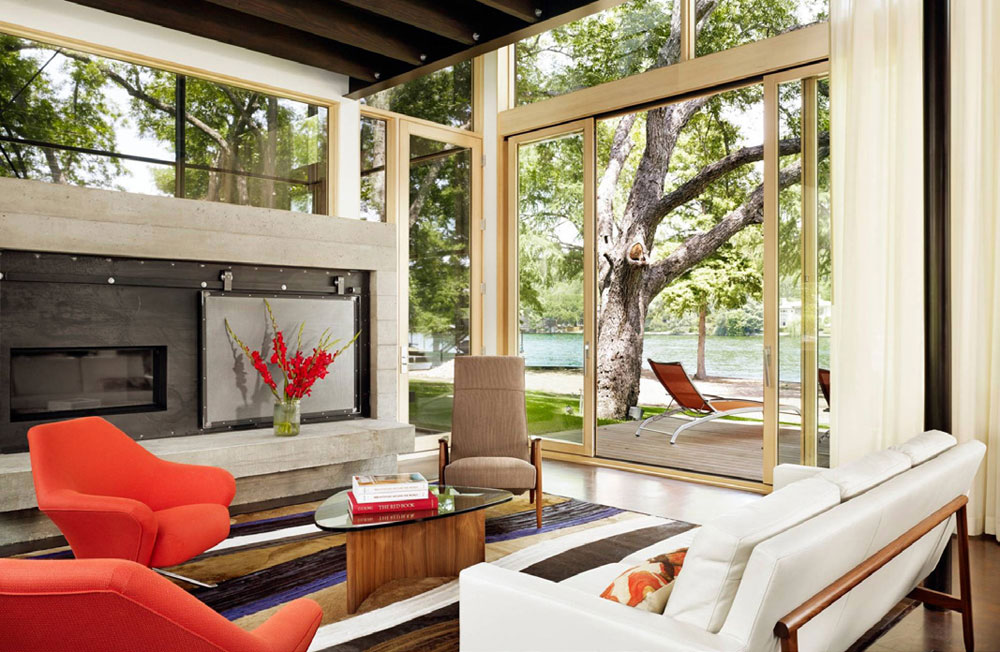
Key Elements in Classic Interior Design are essential to crafting a timeless and sophisticated interior. Imagine a room that effortlessly blends history with modern comfort, exuding a sense of grandeur and elegance. This is the power of understanding and applying the core principles of classic interior design. Many homeowners struggle to translate their vision of a classic space into a harmonious reality. This struggle often stems from not fully grasping the intricate relationship between different design elements and how they contribute to the overall aesthetic. This article will explore these crucial elements, providing practical insights and actionable strategies to help you master this timeless design approach. We will delve into the principles of balance, proportion, color, texture, furniture styles, and the significance of architectural details—all key to achieving a truly classic interior.
The Importance of Balance and Proportion
Achieving Equilibrium in a Classic Interior
Balance and proportion are fundamental principles in classic interior design. They create a sense of harmony and equilibrium within a space. The goal is to distribute visual weight evenly and to establish a relationship between different elements, ensuring that no single element overpowers or underwhelms the others. Think of a well-balanced scale; each side must have equal weight for stability. In interiors, this applies to the arrangement of furniture, placement of artwork, and even the distribution of light. For instance, a large, ornate sofa can be balanced by several smaller, yet equally elegant, accent chairs or tables, or a large, heavy piece of furniture can be offset by a lighter, yet equally visually striking feature, such as a tall plant or a reflective surface. This equilibrium creates a visually pleasing and engaging space without an overly cluttered feel. Furthermore, consider how the size and scale of rooms influence the scale and proportion of the elements within. A larger space calls for larger furniture pieces, and vice-versa. Professional designers often use techniques like golden ratios or Fibonacci sequences to incorporate proportion in their designs. A good example of classic balance is found in many historical estates; the placement of fireplaces, grand staircases, and windows are carefully planned to create a visual harmony.
The Power of Color Palettes in Classic Interiors
Crafting a Timeless Color Scheme
Color palettes play a vital role in classic interior design. They contribute significantly to the overall atmosphere and style of a room. Classic interiors often utilize soft, muted colors such as creams, beiges, and pastels. These colors create a serene and sophisticated ambiance. However, introducing rich accents of jewel tones such as emerald green, sapphire blue, or deep burgundy can add visual interest and warmth. For example, consider a living room with creamy walls, accented with deep burgundy armchairs and a rich mahogany coffee table. This combination creates a striking yet balanced aesthetic, epitomizing classic design sensibilities. A color palette, in tandem with other elements, can also evoke a sense of era—for instance, Victorian-era homes often feature deep reds and golds, evoking a sense of opulence and grandeur. The carefully chosen color palette is an undeniable component of creating a timeless atmosphere.
Timeless Furniture Styles and Architectural Details
Choosing the Right Pieces for Your Space
Classic interior design embraces timeless furniture styles that stand the test of time. Pieces like Chesterfield sofas, wingback chairs, and mahogany tables represent enduring elegance and sophistication. It’s crucial to select furniture that complements the overall style and scale of the room. These pieces often feature intricate details and high-quality craftsmanship, reflecting a commitment to enduring quality. Architectural elements also play a critical role. Features such as tall ceilings, ornate moldings, and fireplaces are integral components of classic aesthetics. They create visual interest, a sense of history, and a grandeur to the space. For example, in a grand living room, a stately fireplace, complemented by detailed mantelpieces, adds a touch of elegance and historical context to the room. It also brings warmth and a focal point to the space, as well as drawing the eye and adding depth to the room. These details evoke the past and elevate the overall aesthetic experience.
Texture and Pattern: Adding Depth and Visual Interest
Creating a Multi-Dimensional Space
Texture and pattern play a significant role in enriching classic interiors. Classic designs often incorporate natural textures such as wool, linen, and velvet. These tactile elements add a sense of comfort and luxury, while patterns often feature damask, floral, or geometric motifs. Think of a luxurious bedroom with velvet curtains and a floral patterned rug. By introducing both smooth surfaces, such as polished wood floors or marble countertops, and textured surfaces, such as a plush rug or a heavily-upholstered chair, you can create a layered visual experience. Introducing various patterns can also add visual interest, without overwhelming the space. However, it’s important to maintain consistency in the overall design theme. A room featuring ornate wallpapers should not include clashing or overpowering patterns that distract from the room’s overall aesthetic. Maintaining a cohesive theme is paramount to achieving that balanced, sophisticated aesthetic. For example, using a single, well-chosen color palette across a home and repeating it in different parts of the interior.
The Role of Lighting in Classic Design
Illuminating Your Interior
Lighting is critical to shaping the atmosphere of a classic interior. Natural light should be maximized wherever possible. Large windows and skylights, when paired with proper window coverings, allow natural light to fill the space, creating a bright and airy feel. Soft, warm lighting fixtures are vital in classic design. Classic interiors often feature chandeliers or ornate sconces, providing a warm and inviting ambiance. For instance, a grand dining room might feature a crystal chandelier, casting shimmering light throughout the room and creating a truly magical feel. Recessed lighting can also be used to highlight architectural details, while task lighting can improve the functionality of the space.
In conclusion, mastering the key elements of classic interior design allows you to create a timeless and sophisticated space. By understanding the principles of proportion, balance, and harmony, you can cultivate an inviting and aesthetically pleasing environment. Consider consulting a professional interior designer for guidance on implementing these elements within your own home. They can offer valuable insights and expertise tailored to your specific needs and preferences.