Textures in minimalist interiors play a crucial role in breathing life into clean lines and neutral palettes. A thoughtfully selected texture can transform a space from ordinary to extraordinary, creating a tactile experience that transcends visual appeal. Many homeowners struggle with adding personality and visual interest to their minimalist homes without overwhelming the space’s clean aesthetic. This article delves into the strategies for successfully incorporating textures into minimalist interiors, offering practical advice and captivating examples to inspire your own design journey. We’ll explore various material choices, demonstrate how to create visual interest, and ultimately, provide you with the tools to elevate your minimalist space. This guide is structured into sections focusing on material selection, the importance of visual interest, and creating a cohesive design.
Material Selection: The Foundation of Textural Richness
Exploring Diverse Materials
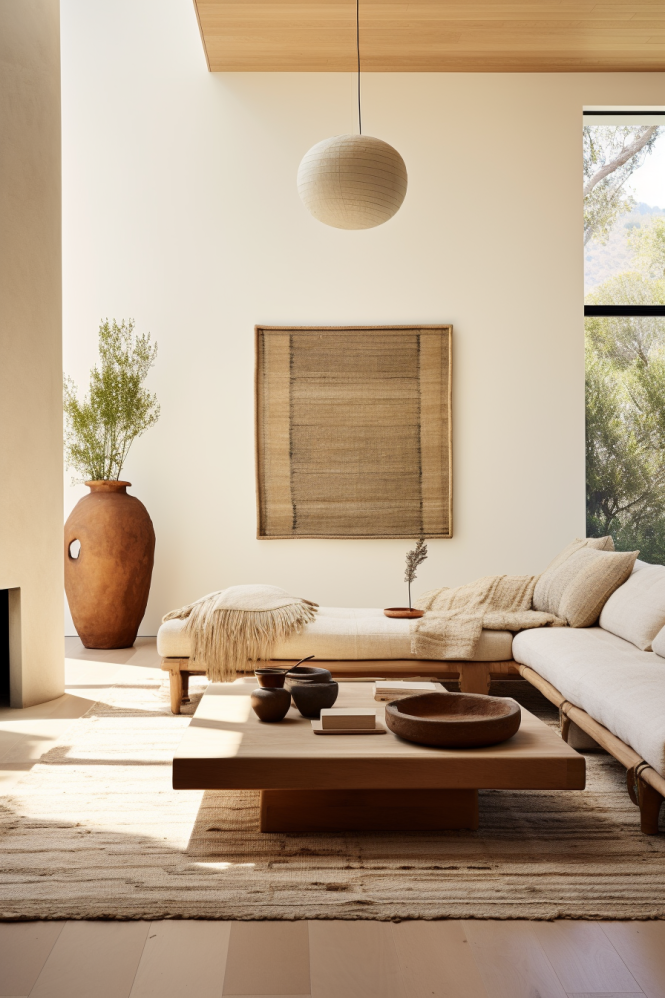
Choosing the right materials is paramount in successfully incorporating textures into a minimalist aesthetic. While minimalism often leans towards clean lines and neutral colors, this doesn’t imply an absence of tactile richness. The thoughtful selection of materials is key to adding depth, visual interest, and personality to minimalist spaces. A variety of materials, such as natural stone, wood, concrete, and metal, can contribute unique textures to a minimalist interior while maintaining its essence.
Enhancing Visual Appeal Through Contrast
Pairing different textures can create a fascinating contrast. For example, smooth, polished concrete floors can be complemented by the rough, warm texture of wooden furniture or woven rugs. This juxtaposition creates a harmonious balance, highlighting the individual characteristics of each material. The contrast between these materials adds depth and vibrancy to a minimalist design, avoiding the potential monotony of homogeneous textures.
Integrating Tactile Experiences
Beyond aesthetics, textures offer valuable tactile experiences. Consider a soft wool rug against polished concrete flooring, offering a warm and inviting touch. By selecting materials with different textures, you invite the homeowner to engage not just with the visual aspect of the room but also with its tactile elements.
Visual Interest: Beyond the Clean Aesthetic
Breaking the Monotony
Minimalist interiors, by their very nature, often emphasize simplicity. While this can be visually appealing, it can sometimes lack visual interest. The strategic introduction of textures injects an element of dynamism and warmth. This adds depth, visual engagement, and elevates the space from merely functional to truly inspiring. For example, woven textures such as a bamboo blind or a hand-woven throw rug introduce visual interest without compromising the clean aesthetic.
The Power of Dimension and Depth
Textures inherently create dimension and depth, enhancing the spatial perception of the room. This technique can be achieved through the use of different surface finishes or materials. Imagine a room with smooth white walls; the incorporation of a textured wallpaper, such as a subtle linen pattern, can instantly add depth, creating a more visually engaging space.
Subtly Elevating the Minimalist Palette
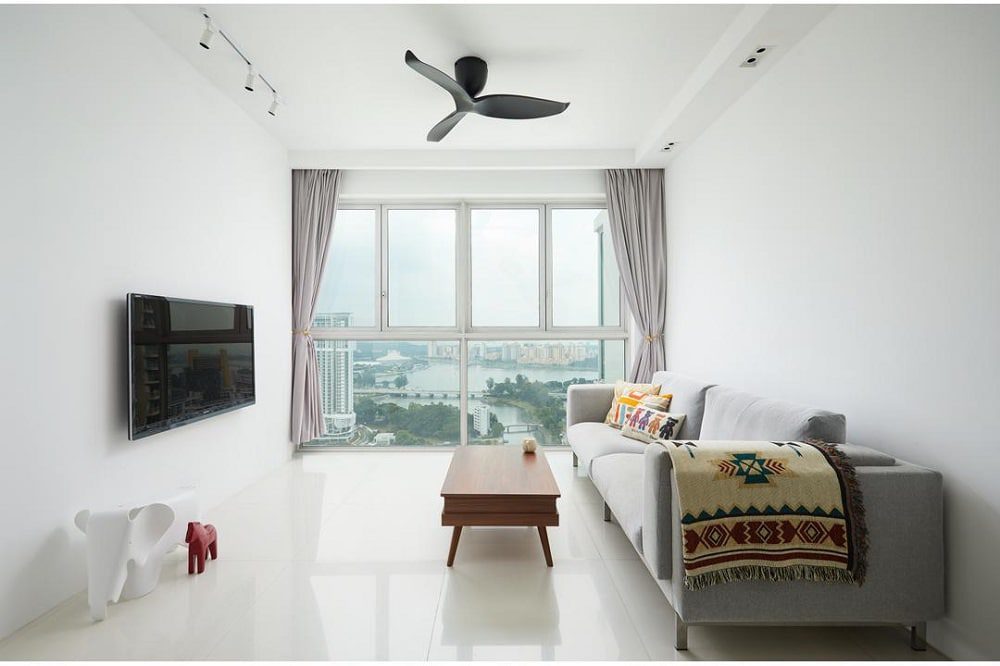
Textures can subtly elevate a minimalist palette by adding unique details without overwhelming the design. Consider using a textured throw pillow in a unique material against a neutral sofa, adding an element of sophistication and personality.
Creating a Cohesive Design: The Art of Balance
Harmonizing Textures for a Unified Look
Creating a harmonious interior design requires careful consideration of how textures work together. The key is balance. For instance, a rough-hewn wooden accent wall should be balanced by softer textures, like a plush velvet armchair or a silk throw. A mix of smooth and rough, polished and unpolished surfaces creates a nuanced and balanced effect.
Material Palettes for Consistent Aesthetics
Consider creating a material palette that encompasses different textures to ensure visual coherence. This often begins with the flooring, influencing choices for walls, furniture, and accessories. This approach ensures that your design elements work cohesively to achieve a desired unified look.
Ensuring the Aesthetic Remains Minimalist
Maintaining the fundamental aesthetic of minimalism is crucial. Over-accessorizing with textures can detract from the clean lines and neutral palettes that define minimalism. Choose textures intentionally and sparingly to ensure they enhance, rather than overwhelm, the overall aesthetic.
Case Studies: Real-World Examples
Scandinavian Minimalism with Natural Textures
Many Scandinavian minimalist homes prioritize natural materials like wood and stone. Their use creates warmth and a sense of connection to nature. For instance, the use of a wooden coffee table, combined with a natural fiber rug, complements the clean lines of the surrounding furniture.
Modern Minimalism with Abstract Textures
Modern minimalist designs often feature abstract or geometric patterns in their textures. An example is using a patterned rug with a unique design to add a touch of visual interest, without adding clutter. Careful selection of materials is crucial to avoid overpowering the streamlined lines of the space.
Conclusion
In conclusion, strategically incorporating textures in minimalist interiors is key to achieving a visually engaging and personally expressive space. By understanding the nuances of various textures and their impact on the overall aesthetic, designers and homeowners can create a truly unique and well-balanced minimalist environment. Remember that textures offer a crucial opportunity to infuse depth and personality into a minimalist design. Embrace textures! Explore various options and find the perfect balance that reflects your style. Ready to elevate your minimalist space? Explore our interior design resources and let us help you create the dream home you’ve always envisioned.