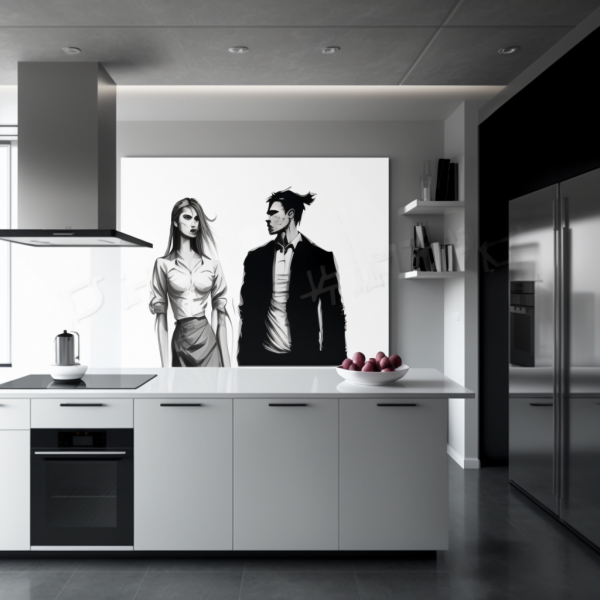
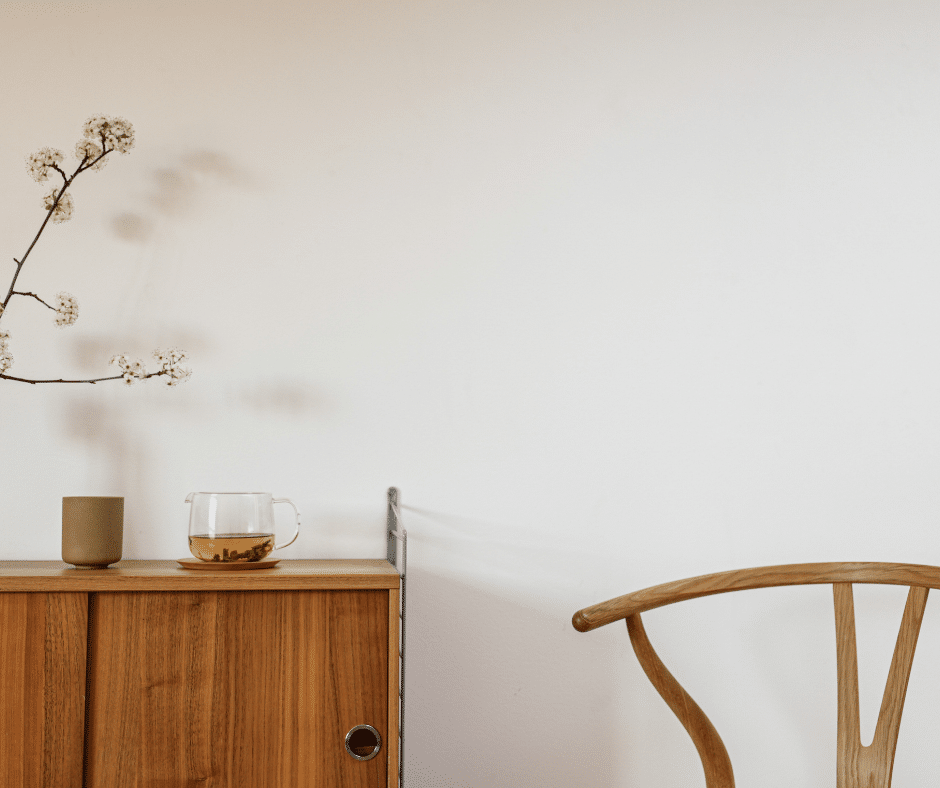
Minimalist design is a powerful approach that transforms spaces and lives. It’s more than just a trend; it’s a philosophy that prioritizes intentionality and functionality over excess. Minimalist design, in essence, is the conscious choice to embrace less, while maximizing the impact of the essentials. For many, the quest for a more organized, focused, and fulfilling life is a constant struggle. Cluttered spaces can lead to feelings of overwhelm, distraction, and stress. This article delves into the profound benefits of incorporating minimalist design principles, offering practical strategies to declutter, simplify, and create a space that nourishes both your mind and soul. We’ll explore the profound effects of minimalist living on stress, mental clarity, productivity, and overall well-being. This exploration will cover the core tenets of minimalist design and present various approaches to bring the principles to life in your home and your life.
The Psychological Impact of Minimalist Design
Reducing Stress and Anxiety
Studies show that a cluttered environment can increase feelings of anxiety and stress. The presence of excess visual stimuli can overstimulate the nervous system, leading to a constant state of alertness. A minimalist design, on the other hand, offers a sense of calm and tranquility. By minimizing visual clutter and maximizing negative space, minimalist design creates a sanctuary that promotes relaxation and reduces stress. The intentional absence of superfluous items allows the mind to rest and recharge. Furthermore, the simplicity often associated with minimalism encourages mindfulness, which helps to create a deeper connection to the present moment, reducing anxieties over the past and future.
Enhancing Focus and Concentration
Minimalist design emphasizes intentional placement and purpose-driven objects. This deliberate approach fosters a sense of clarity and focus. A clean and uncluttered space provides a more conducive environment for concentration, promoting better productivity. The removal of visual distractions allows the mind to engage fully with tasks at hand. This translates to improved work performance, increased creativity, and overall heightened productivity. Consider removing nonessential items from your workspace to enhance focus and concentration.
Streamlining Your Life Through Minimalist Design
Decluttering for Mental Clarity
Decluttering isn’t just about removing physical items from your space; it’s about decluttering your mental space as well. The process of decluttering, a cornerstone of minimalist design, often forces us to confront and release things we no longer need or want. This intentional purging can lead to a profound sense of mental clarity and freedom from past burdens. By letting go of the unnecessary, we often open ourselves up to new possibilities and opportunities. A practical exercise is to create a dedicated time for decluttering and evaluate each item honestly.
Simplifying Your Routine
Minimalist design principles encourage a more simplified and intentional approach to daily life. One practical implementation is to identify and eliminate unnecessary activities, tasks, or commitments that may be contributing to stress or overwhelm. Think about routines you might want to simplify to allow more time for essential activities. By streamlining our daily schedules, we gain more control over our time and energy, which can lead to increased productivity and a greater sense of well-being.
The Practical Benefits of Minimalist Design
Increased Functionality and Space Optimization
Minimalist design focuses on maximizing functionality and optimizing space. This means choosing furniture and decor with a specific purpose, which prevents the accumulation of excess items. Utilizing multi-purpose furniture pieces and strategically arranging spaces can effectively make your home or workspace feel larger and more efficient. This intentional approach helps maintain the flow and order. For example, using storage solutions that are integrated into the décor can help to conceal clutter without compromising style.
Enhanced Appreciation for Possessions
When you embrace minimalism, you develop a greater appreciation for the items you own. By carefully curating your possessions, you are forced to consider their value and utility. This process can help prevent impulsive purchases and lead to more mindful consumption habits. This thoughtful consideration of possessions ultimately contributes to a more fulfilling and sustainable lifestyle.
Minimalist Design and Your Lifestyle
Balancing Aesthetics and Function
Minimalist design principles go beyond simply reducing clutter; they emphasize the careful integration of aesthetics and functionality. By selecting pieces that serve a dual purpose, you can maximize the use of your space while maintaining a clean and uncluttered feel. Prioritizing quality craftsmanship and durable materials is an essential part of minimalism, as it extends the life of the products and minimizes the need for constant replacements. This ultimately reduces environmental impact. Consider this example – a well-designed storage solution that combines aesthetics and functionality could be integrated seamlessly into your minimalist living room.
Minimalist Design and Well-being
Promoting Calm and Serenity
Minimalist design offers a pathway to promote calm and serenity in your living space. This translates to a significant improvement in mental health. The deliberate approach, which involves simplifying your surroundings, fosters a sense of tranquility and peacefulness. This translates to reduced stress levels. By cultivating a harmonious and uncluttered space, you create an environment conducive to relaxation and contemplation.
Encouraging Self-Reflection
Minimalism can encourage introspection and self-reflection. The process of decluttering and simplifying your life often leads to a deeper understanding of your values and priorities. By focusing on the essentials, you can gain a clearer perspective on what truly matters in life and how to live more intentionally.
Case Study: The Impact of Minimalism on Productivity
Case Study: Sarah’s Transformation
Sarah, a busy professional, experienced a significant decrease in productivity due to a cluttered workspace. Her office was filled with numerous papers, half-finished projects, and unnecessary items. Through implementing minimalist design principles, Sarah decluttered her workspace, minimizing distractions. She prioritized the essential items required for work, creating a more conducive environment for concentration and focus. The result was a noticeable increase in her productivity and efficiency. She was able to prioritize tasks and complete projects more quickly, leading to significant improvements in her work life and overall well-being. This is a common theme for many professionals seeking to optimize their workflow and improve their efficiency.
Additional Considerations
Maintaining a Minimalist Lifestyle
Maintaining a minimalist lifestyle requires consistent effort and commitment. It’s about developing mindful habits. Regular decluttering, the conscious selection of items, and the prioritization of experiences over possessions can help maintain a minimalist lifestyle.
Integrating Technology in Minimalist Design
Balancing the Digital World
Incorporating technology into a minimalist lifestyle requires balancing aesthetic elements. The integration should be subtle, unobtrusive, and well-integrated to avoid adding to the visual clutter, such as employing smart home devices that seamlessly blend with minimalist décor.
The Role of Color and Light
Creating a Harmonious Atmosphere
Color palettes play a crucial role in minimalist design. Neutral tones and a focus on natural light can enhance a sense of calm and serenity. Using the right lighting design and lighting sources is equally crucial to create a calming, inspirational space.
Frequently Asked Questions
What are the key elements of minimalist design?
Minimalist design focuses on essential elements and intentional choices in decor and furniture. Key elements include clean lines, neutral colors, open spaces, and a focus on functionality. These characteristics encourage a streamlined and uncluttered aesthetic, which can be easily adapted to your personal tastes and lifestyle. This conscious decision to embrace less but elevate the core elements is what sets it apart from other design approaches.
How can I begin implementing minimalist design into my home?
Begin by decluttering your home. Identify items you haven’t used in a while. Challenge yourself to be honest about what holds value. Consider donating or selling items you no longer need. Prioritize functionality in your furniture and décor choices. Use storage solutions to maximize space. By following these steps, you can start living more mindfully and intentionally, creating a space where you are in control, not controlled by the items within it. It is all about the process of purging and simplifying.
In conclusion, embracing a minimalist design approach offers a plethora of advantages that extend far beyond aesthetics. It fosters a sense of calm, clarity, and increased focus. It also cultivates a deeper appreciation for what truly matters. Consider integrating minimalist design principles into your life today by decluttering your space, simplifying your routines, and focusing on essential elements. To fully explore this topic, consider a consultation with a professional interior designer to discuss your specific needs and create a space that promotes well-being. Ultimately, a minimalist lifestyle can bring more peace, efficiency, and joy to your life.