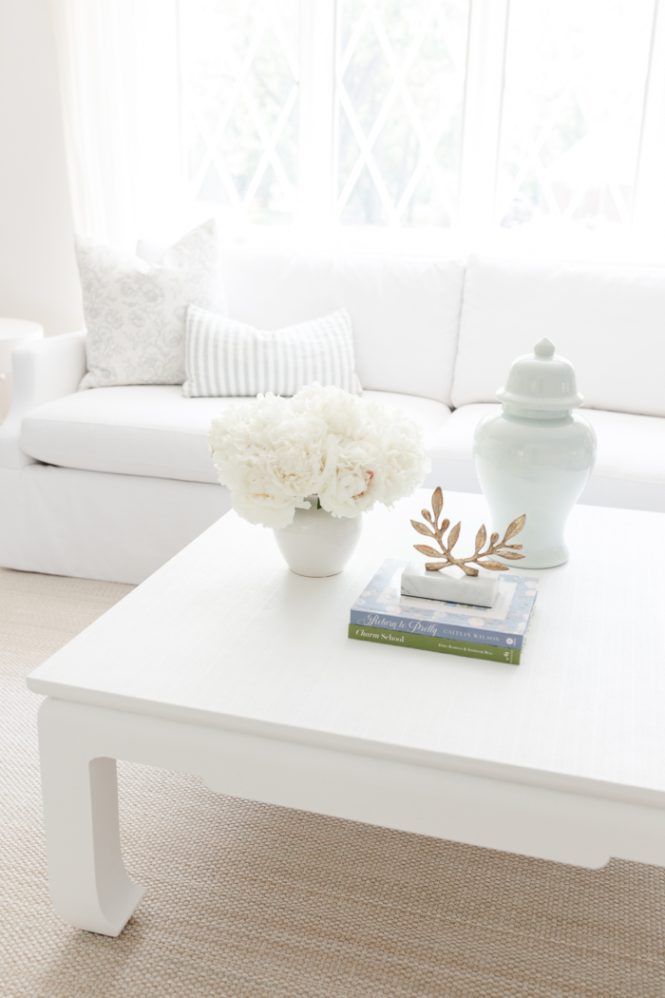

Creating a minimalist aesthetic is about more than just having fewer possessions; it’s about cultivating a lifestyle focused on intention and simplicity. It’s about intentionally choosing what adds value to your life and space, and letting go of the rest. Many people feel overwhelmed and stressed by clutter. They yearn for a peaceful haven in their homes, but struggle to know where to begin. This guide provides a comprehensive roadmap to transforming your home into a sanctuary of calm, order, and refined beauty through the minimalist aesthetic. We’ll cover decluttering strategies, design tips, and practical examples to help you achieve a truly minimalist aesthetic. This article will guide you through the steps in a practical and easy-to-follow format.
Understanding the Essence of Minimalist Aesthetics
Defining Minimalist Aesthetics
Minimalist aesthetics prioritize simplicity and functionality in design and lifestyle. It emphasizes clean lines, neutral colors, and an absence of unnecessary clutter. The goal isn’t just about having fewer things, but rather about consciously choosing items that truly add value and purpose to your life and space. It’s a way of living that values experiences over possessions. Minimalist aesthetics are often linked to the belief that less is more, and that focusing on fewer, high-quality items can create a more serene and visually appealing environment.
Identifying the Challenges of Minimalism
One of the biggest challenges of embracing minimalist aesthetics is the emotional attachment to possessions. Many people hold onto items not because they’re useful, but because they have sentimental value or represent memories. This emotional connection can make the process of decluttering difficult and painful. Additionally, some might struggle with adapting their existing living space to a minimalist aesthetic. The transition can seem daunting, and people might wonder how to effectively organize their belongings with less space. This article will address these common obstacles and offer practical solutions.
Decluttering for a Minimalist Lifestyle
Identifying and Eliminating Unnecessary Items
The foundation of any minimalist aesthetic lies in decluttering. Start by identifying items that you haven’t used in the last six months. Ask yourself if the item serves a purpose or adds value to your life. If not, consider donating, selling, or discarding it. One strategy is to create a designated donation box and as you move through rooms, place items you don’t need in this box. Another method is to challenge yourself to remove one item from your space each day. The key is to be ruthless in your assessment—don’t hesitate to let go of items that no longer serve you.
Organizing with Intention
Once you’ve decluttered, it’s essential to organize your remaining items thoughtfully. Maximize storage space by using organizers, bins, and containers to keep items neatly contained. Choose storage solutions that match your aesthetic and don’t take up too much visual space. A few minimalist organizers or clear bins will make your space visually appealing. Consider using the KonMari method, focusing on items that spark joy, and donating or discarding the rest.
Design Principles for a Minimalist Aesthetic
Choosing the Right Colors and Materials
Neutral colors, such as beige, gray, white, and black, are frequent choices for minimalist designs. These colors create a sense of calm and spaciousness and can be paired with natural materials like wood, stone, and linen for a cohesive and serene atmosphere. Think about the lighting in the room and what colors will complement the light naturally. Avoid using too many colors or patterns to keep things simple and visually pleasing.
Incorporating Natural Elements
Bringing nature into your minimalist space can enhance the calming aesthetic. Incorporate plants, natural light, or wooden furniture to add a touch of the outdoors. Indoor plants can not only add a touch of the outdoors but also help improve air quality. Remember to consider the plant requirements, so you can keep it healthy and happy.
Integrating Minimalist Design Elements
Creating a Sense of Space
One of the fundamental elements of a minimalist aesthetic is creating a feeling of spaciousness. Keep your space clutter-free. Choose furniture with clean lines and uncluttered designs. Open floor plans can enhance the feeling of spaciousness. Ensure the furniture and décor you choose won’t overwhelm the room and instead compliment its overall design.
Utilizing Multifunctional Furniture
Multifunctional furniture is another way to maximize space in a minimalist design. A sofa bed, a storage ottoman, or a coffee table with built-in storage solutions can effectively maximize space and give you more room to live.
Maintaining a Minimalist Lifestyle
Implementing Regular Decluttering Practices
Maintaining a minimalist lifestyle isn’t a one-time task; it’s a continuous process. Establish regular decluttering routines, like clearing out one area of your home each week. This keeps clutter from accumulating and allows you to manage your belongings and prevent the build-up of unnecessary items. Decluttering on a routine basis prevents you from buying or bringing new items, which is a core concept of minimalism.
Cultivating a Mindset of Simplicity
Minimalism is more than just a design aesthetic; it’s a mindset. Embrace intentionality in your purchasing decisions—only buy items you truly need. Develop a habit of appreciation for the things you already own and consciously choosing what to keep and let go of.
What are some practical tips for decluttering a home effectively?
Create designated donation or discard areas. Emphasize the value of less—fewer items will mean fewer needs for storage. Consider the ‘one in, one out’ rule. When you purchase a new item, donate, sell, or discard an existing item. Use storage solutions to keep items contained.
How can I incorporate minimalist design elements into my home?
Prioritize neutral colors and clean lines in your décor. Select furniture with simple designs. Choose natural materials like wood, stone, and linen. Maximizing natural light and using mirrors can expand the feel of space. Choose pieces with a simple design to compliment the space and not overwhelm it.
How can I maintain a minimalist lifestyle over time?
Develop a routine for decluttering. Establish a weekly or monthly decluttering schedule to maintain a tidy home. Cultivate a mindful approach to purchasing. Only buy items you truly need. Regularly evaluate and refresh your possessions. Develop a deep sense of appreciation for what you already own.
What are some common mistakes to avoid when pursuing a minimalist aesthetic?
Avoid purchasing items without a clear purpose or need. Avoid emotional attachments to possessions. Resist the urge to hoard items just because they have sentimental value. Prioritize your needs over what you want; make mindful purchases. Resist the urge to buy too many accessories to decorate a room. Less is often more when it comes to design. Don’t forget the joy of having a less cluttered and more organized space and life.
Frequently Asked Questions
How can I get started with minimalist aesthetics?
Getting started with minimalist aesthetics involves decluttering one area of your home at a time. Begin with a small space like a drawer or a shelf. Identify items you haven’t used in the past six months. Ask yourself if each item brings you joy and if it truly serves a purpose. If not, donate, sell, or discard it. Regularly review and refresh your belongings, ensuring items still bring value to your space.
In conclusion, achieving a minimalist aesthetic is a journey of intentional choices and mindful decluttering. By focusing on essential items, simplifying your space, and incorporating thoughtful design elements, you can create a serene and visually appealing environment that reflects your personal style and values. Embrace the beauty of less, and enjoy the benefits of a minimalist aesthetic. To start, try decluttering one area of your home each week. If you’re struggling to get started, consider consulting a professional organizer or interior designer for personalized guidance. And, don’t forget to share your minimalist transformations with us on social media using #minimalistliving.