
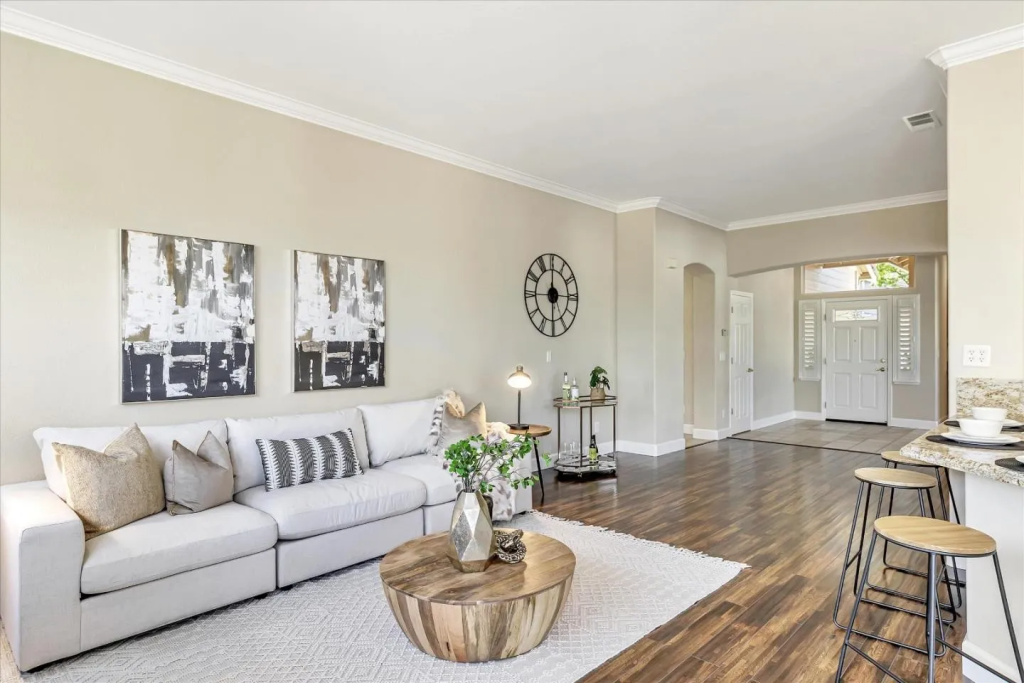
Bold vs. neutral exterior color schemes are crucial decisions for homeowners looking to enhance their home’s curb appeal and value. A well-chosen color palette can instantly transform a house, making it stand out or blend seamlessly with its surroundings. Exterior paint colors set the stage for the overall aesthetic and influence the first impression on potential buyers. This article will delve into the intricacies of bold versus neutral exterior color schemes, helping you decide which best suits your home and lifestyle. We’ll explore the advantages, disadvantages, and considerations when choosing between these two approaches. Furthermore, we’ll cover the important factors like architectural style, landscaping, and personal preferences.
Understanding the Spectrum of Exterior Color Options
Exploring Different Color Palettes
Choosing the right exterior color palette for your home is a significant decision with long-lasting effects. This decision involves understanding your home’s architectural style, surrounding environment, and the feelings you want to evoke when others see your home. A bold exterior color scheme can create a striking, unique statement, while a neutral approach can offer versatility and adaptability. Consider your personal preferences and style, along with the practical implications for your home. For instance, how will these colors impact curb appeal and the overall aesthetic of your neighborhood? Bold colors can be visually stimulating, attracting attention, while neutral colors can be more subtle, fostering a sense of tranquility and serenity in the immediate surroundings.
Analyzing Bold Color Schemes
Bold exterior paint colors can make a strong statement, standing out from the crowd and capturing attention. A bold exterior color scheme can add vibrancy and personality to your home. These colors often create a striking contrast against the surrounding landscape, drawing the eye and highlighting architectural features. Consider the psychology of colors when choosing bold tones, as they can evoke specific emotions. For example, warm colors like reds and oranges can create a sense of excitement and energy, while cool colors like blues and greens can evoke a sense of calm and tranquility. The selection of bold exterior colors should reflect your personal taste and consider how they interact with your home’s architectural style. It is essential to balance the boldness with the desired impact and how these colors will age in the long run.
Weighing the Pros and Cons of Neutral Color Palettes
The Versatility of Neutral Hues
Neutral exterior paint colors offer a timeless and versatile approach. They are often chosen for their ability to blend seamlessly with the surroundings and remain relevant across changing trends. Neutral hues provide a broader appeal, allowing the home to remain adaptable to the preferences of future homeowners. These colors can often be perceived as more sophisticated, creating an air of sophistication and calm. Moreover, neutral colors create a balanced palette that complements various architectural styles. For example, neutral palettes, such as beige, gray, or white, often serve as a solid backdrop that enhances the beauty of landscaping and architectural details, creating a sophisticated and calming presence for the home and its surroundings.
The Subtleties of Neutral Color Schemes
While neutral color schemes often provide timeless appeal and versatility, they can sometimes appear less engaging or distinctive. This approach can minimize the home’s unique characteristics or diminish the prominence of specific architectural elements. Furthermore, neutral colors can blend too seamlessly into the surrounding environment, potentially diminishing the impact of the home’s presence. Overuse of neutral hues might lead to a less memorable aesthetic compared to more vibrant bold colors. Conversely, a skilled application of neutral hues can create harmony and a sense of tranquility, making the home more approachable.
Factors Influencing Your Choice
The Role of Architectural Style
Architectural style plays a significant role in determining the optimal exterior color scheme. For instance, a traditional colonial home might look best with warm, earthy tones, while a contemporary structure could benefit from a more modern, bold color scheme. Understanding the architectural style is crucial for selecting colors that complement and enhance the home’s design. Matching the color palette to the home’s architectural style ensures a cohesive and visually appealing aesthetic, showcasing the design’s essence. In essence, harmonizing the color scheme with the architectural style is key to creating a beautiful and enduring home exterior.
The Importance of Landscape and Surroundings
The landscape and surroundings surrounding your home greatly influence the color choices. Consider how your home interacts with the surrounding environment, ensuring the chosen colors complement the landscape. Colors that contrast well with the landscape often help the home stand out and draw the eye, while complementary colors can create a sense of harmony and integration. The natural elements, vegetation, and existing architectural features of the neighborhood influence the most suitable exterior colors. This ensures that the home blends in beautifully and enhances its visual appeal within its surrounding environment. It’s crucial to consider these nuances, as they significantly impact the overall aesthetic impact.
Considerations for Curb Appeal and Resale Value
Maximizing Curb Appeal with Color
Choosing the right exterior color scheme significantly impacts curb appeal, influencing the first impression potential buyers and visitors have of your home. Bold colors can create a strong visual statement, while neutral palettes can convey a sense of sophistication and timeless appeal. Selecting colors that harmonize with the home’s architectural style, landscape, and neighborhood can significantly increase the home’s aesthetic value, ultimately impacting curb appeal and marketability. Consider the colors of surrounding houses and existing landscapes to ensure that your chosen colors are harmonious and contribute to a positive aesthetic experience for potential buyers.
Impact on Resale Value
The chosen exterior color scheme can influence the resale value of a property. Neutral colors are often a safe choice that appeals to a broader range of buyers. These colors allow the home to adapt to different tastes and styles, therefore enhancing marketability for resale. Conversely, bold colors can appeal to specific buyers seeking a unique aesthetic. Ultimately, the most successful approach depends on considering a broader range of factors, ensuring that the choice reflects the home’s characteristics and attracts the ideal buyers.
Practical Tips for Successful Color Selection
Understanding Color Psychology
Understanding color psychology provides insight into how colors affect mood and perception. Each color evokes different emotions, influencing how people experience and perceive your home. Warm colors, like reds and oranges, can promote feelings of excitement and energy, while cool colors, such as blues and greens, often create a sense of peace and tranquility. Understanding the psychological effects of color enhances the selection process, allowing for a personalized and intentional approach to color. This awareness ensures that the color scheme evokes the desired ambiance and caters to the homeowners’ personal preferences.
Testing and Visualization
Experimenting with different color combinations is crucial before committing to a final selection. Utilize online tools or professional design software for visualization and create mock-ups or renderings of your home with various color schemes. Testing color swatches on the actual home’s exterior in different lighting conditions is essential for a real-world assessment. Taking this practical step allows for an accurate evaluation of how the color scheme interacts with the home’s unique architectural style and the surrounding landscape, ensuring that the final selection reflects the intended visual impact.
Professional Consultation and Advice
The Importance of Professional Insight
Conclusion Summary
Practical Tips for Choosing Colors
Frequently Asked Questions
What is the best way to choose exterior paint colors for my home?
Choosing the right exterior paint colors for your home involves careful consideration of several factors. Start by evaluating your home’s architectural style and the surrounding environment. Consider the desired aesthetic, whether it’s bold and striking or calm and neutral. Experiment with different color combinations and use online tools or professional design software to visualize how various colors will look on your home. Consider the color psychology of different shades and how they affect the overall mood. Testing the colors on the home’s exterior in various lighting conditions provides valuable insights and ensures a realistic evaluation of the selected color scheme. Ultimately, the best choice is one that aligns with your personal preferences and harmonizes with the home’s overall aesthetics and the surrounding landscape.
How do neutral color schemes affect curb appeal?
Neutral color schemes offer a timeless and adaptable approach to exterior painting. They often blend seamlessly with the surrounding landscape and architectural styles, providing a versatile backdrop that can be easily adapted to future preferences. However, achieving high curb appeal with neutral colors requires careful selection and attention to detail. Consider incorporating accent elements, such as well-maintained landscaping, architectural details, or unique lighting fixtures, to prevent the exterior from appearing too bland. A well-executed neutral palette can create an inviting first impression and still exude an elegant and timeless appeal.
In conclusion, selecting the right exterior color scheme for your home is a crucial decision that affects its curb appeal, value, and overall aesthetic. Bold and neutral schemes both have their merits, and the best choice hinges on your personal preferences, architectural style, and the surrounding environment. Consider your home’s unique features and how the chosen color scheme interacts with them. By carefully weighing the pros and cons of each approach, you can confidently choose the perfect exterior color palette for your home. For further assistance, consult with a professional home improvement expert for personalized guidance and a comprehensive design strategy. This way, you can create a truly stunning and lasting impact.