Traditional Exterior Design offers a captivating blend of classic aesthetics and enduring appeal. For homeowners seeking a timeless and elegant home exterior, this approach provides a compelling solution, harking back to the rich heritage of architectural traditions. But what exactly is Traditional Exterior Design and how can you create a home that reflects this timeless style? This article will delve into the essence of traditional exterior design, identifying common problems homeowners face when embarking on this venture, and outlining a structured approach to achieving a beautiful and lasting design. We will explore key elements, design principles, and practical considerations throughout the article, providing concrete examples and historical context to illustrate the enduring appeal of this style.
Understanding Traditional Exterior Design
Defining the Style
Traditional exterior design is a broad category encompassing architectural styles rooted in historical precedents. This approach often employs symmetrical layouts, balanced proportions, and recognizable architectural features of previous centuries. It’s important to note that traditional styles themselves vary by region, era, and cultural influence. From the colonial charm of New England homes to the elegant grace of Craftsman-style houses, these design elements evoke feelings of comfort, serenity, and enduring elegance, making them appealing to many homeowners. This enduring appeal stems from its ability to transcend fleeting design trends, creating homes that feel authentic and timeless.
Identifying Common Challenges
One of the most common challenges homeowners face when embarking on a traditional exterior project is striking the right balance between historical fidelity and modern functionality. Ensuring a design is both visually appealing and practical often requires careful consideration of factors like energy efficiency, local building codes, and the existing structure of the home. Additionally, maintaining cost-effectiveness throughout the renovation process is another frequently faced challenge, as high-quality materials and skilled craftsmanship can significantly impact the budget.
Key Elements of Traditional Exterior Design
Building Materials and Finishes
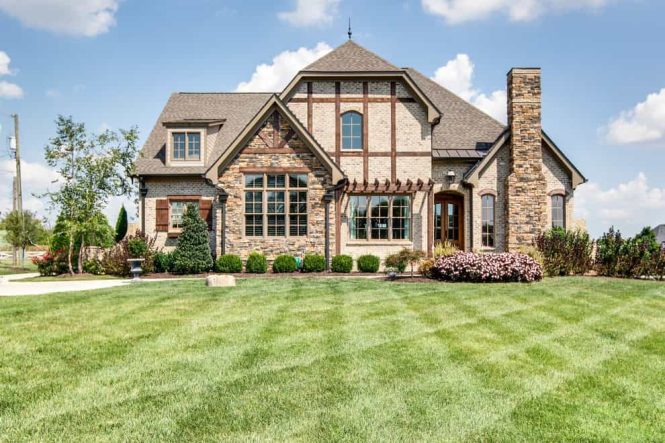
The choice of building materials is a crucial element of traditional exterior design. Materials like brick, stone, wood siding, and handcrafted trim are common and often highly prized for their durability and beauty. Brickwork, for example, is a stalwart feature in many historical designs, offering an enduring warmth and visual richness. Using natural stone, and quality wood, enhances the sense of craftsmanship and timelessness. These materials, when properly maintained, stand the test of time, adding to the appeal of the home. Furthermore, the selection of exterior paints and finishes adheres to traditional color palettes and aesthetic standards, aiming to create a harmony that complements the surrounding environment.
Design Principles and Principles
Symmetry and Proportion
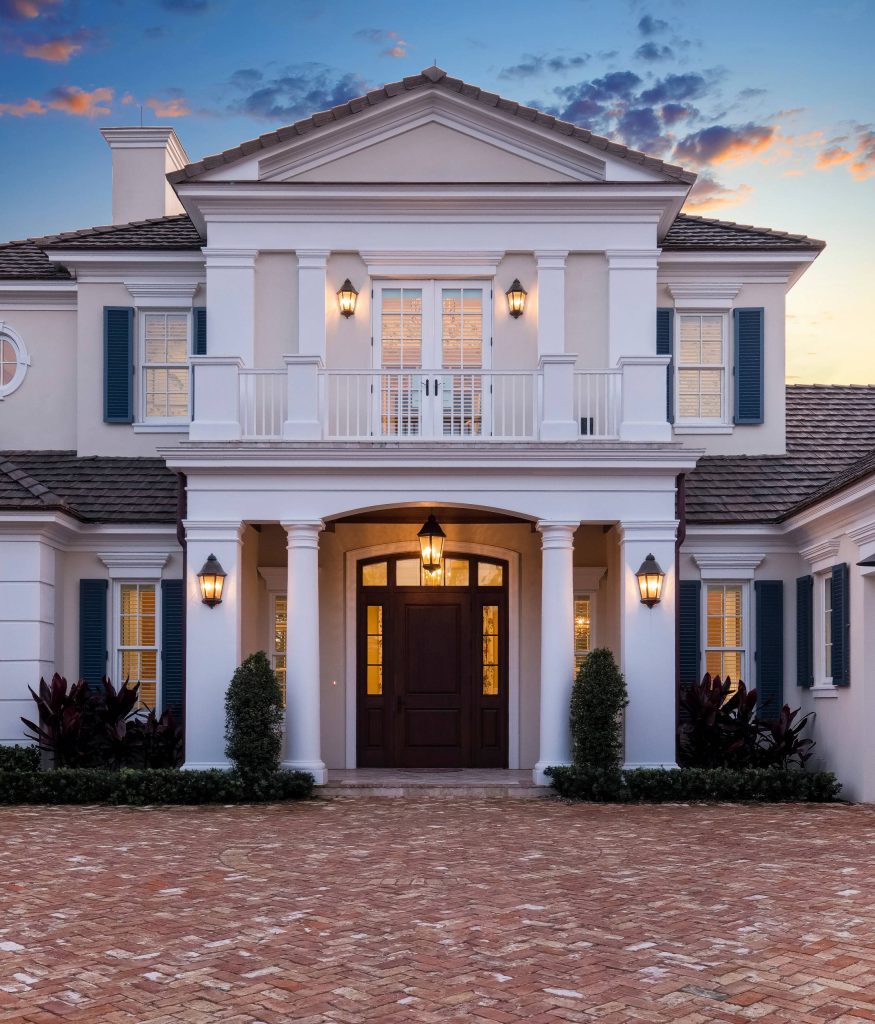
Traditional styles often prioritize symmetry and balanced proportions. Symmetrical designs create a sense of order and harmony, visually appealing and instantly recognizable as elements of a particular period. This balance can be achieved through the use of paired windows, columns, or other architectural features. Careful attention to proportion, ensures that each element within the design fits harmoniously with the whole, contributing to a pleasing visual experience.
Detailing and Ornamental Features
Exquisite detailing and ornamental elements are hallmarks of traditional design. These details can include intricate carvings, decorative molding, and embellishments around windows, doors, and porches. These details, often overlooked in modern designs, add a unique character and individuality to each structure, creating a distinct architectural expression. Examples of these details range from simple decorative trim pieces to complex, handcrafted carvings that communicate the passion and care that was put into the design process.
Traditional Exterior Design Inspiration
Historical Examples and Case Studies
Exploring historical examples is key to understanding and implementing traditional exterior design. Homes built in the Colonial or Victorian eras provide valuable inspiration. The use of historical research, such as studying period-specific architectural publications and photographs, can serve as a great source of inspiration, offering a wealth of ideas that can be adapted to modern contexts. In addition, you can look at historical homes in your area to discern design elements and stylistic trends.
Modern Adaptation of Traditional Styles
Adapting traditional exterior design elements to a modern context is important. Maintaining the essence of the style while incorporating modern conveniences and energy-efficient materials is essential. An excellent example of this is the use of modern materials in a historically inspired framework. The combination of old and new creates a harmonious and innovative result that respects tradition while embracing progress.
Creating a Timeless Exterior
Incorporating sustainability
Traditional design doesn’t need to compromise on modern sustainability standards. Modern materials and construction techniques can be employed to create a traditionally inspired exterior that is also energy efficient, durable, and environmentally friendly. Using low-energy windows, renewable materials, and environmentally friendly construction techniques will be pivotal for an exterior project that’s stylish and sustainable.
Budgeting Considerations
Budgeting for a traditional exterior project requires a keen eye towards material selection, and construction labor, as quality materials and skilled craftsmanship will impact the final cost. Planning ahead and creating a detailed budget, helps avoid unpleasant surprises later. A breakdown of costs associated with specific features and components, allows you to plan for potential costs.
Frequently Asked Questions
What are some popular Traditional Exterior Design Styles?
Popular Traditional Exterior Design styles include Colonial, Victorian, Craftsman, and Tudor. Each style has unique architectural features and design elements that differentiate them from other styles.
What are the key differences between Traditional and Modern Exterior Design?
Traditional Exterior Design often emphasizes symmetry, balanced proportions, and historical architectural features, like detailed trim work and classical columns. Modern Exterior Design, on the other hand, often prioritizes clean lines, functionality, and contemporary aesthetics, such as open floor plans and minimalist designs.
In conclusion, embracing Traditional Exterior Design offers a wealth of timeless elegance and enduring appeal. It’s a design choice that speaks volumes about the homeowner’s taste and commitment to quality. By understanding the key elements, nuances, and historical contexts of Traditional Exterior Design, you can make informed decisions and create a home that seamlessly blends aesthetic harmony with practical functionality. Consider researching local building codes and regulations, and consulting with experienced architects or contractors to ensure your project is both beautiful and compliant. Ready to transform your home’s exterior? Let’s get started! Contact us today for a free consultation.