
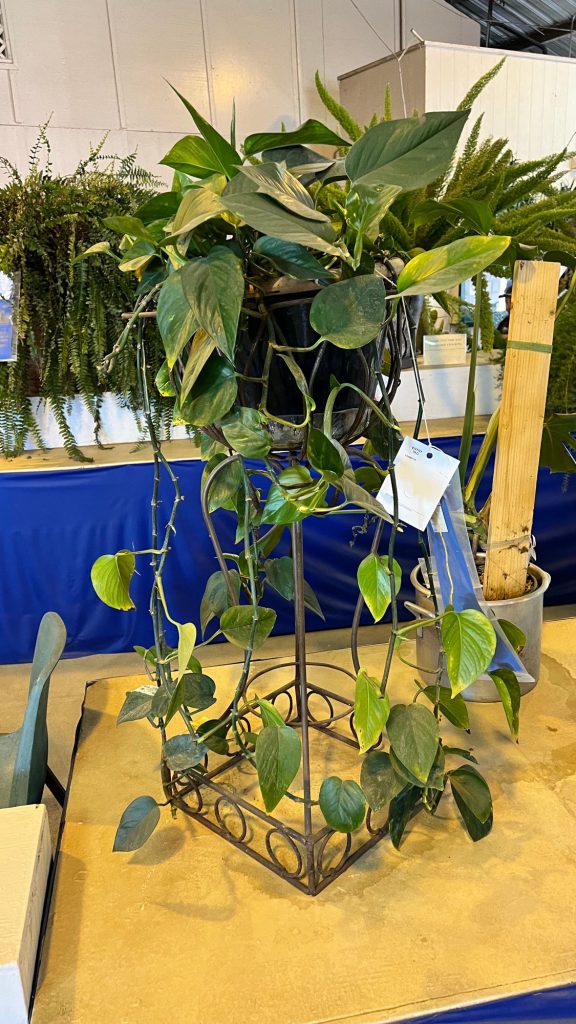
Potted plants in classic planters offer a fresh and revitalizing touch to any interior space, transforming a mundane room into a vibrant and welcoming environment. From adding pops of color to creating focal points, these botanical additions enhance the overall aesthetic and introduce a touch of nature to your home. However, choosing the right combination of plants and planters can be daunting. This article aims to guide you through the process, helping you select the perfect potted plants for your classic planters and creating a stunning indoor garden that complements your home’s style. We’ll explore different plant types, planter styles, and tips for achieving the ideal indoor oasis. This guide will walk you through everything, from choosing the perfect plants to creating a captivating aesthetic.
Choosing the Right Plants for Your Planters
Understanding Plant Types
Different plants have diverse needs, and understanding these requirements is crucial for their thriving health. Some plants thrive in bright, indirect sunlight, while others prefer low-light environments. Consider the amount of natural light in your space when making your selection. For example, a fern might need a shady spot near a window, while a succulent might flourish in a brighter location. Consider the plant’s growth habit. Some plants are compact and suited for smaller planters, while others have sprawling tendencies, calling for larger containers and more space to grow.
Plant Size and Planter Compatibility
Choosing plants that complement the size of your planter is essential. A small planter won’t accommodate a large, sprawling plant, and vice versa. Overcrowding in a planter can stress the plant and hinder its growth. Think about the shape and size of the plant. Consider the ultimate size and shape of the mature plant. This will ensure that the plant is happy in its new container. Look for compact plants that will fill the planter and enhance its visual appeal.
Maintaining Plant Health
After selecting the perfect plants, ensure they receive proper care to ensure their well-being. Consistent watering is key, but it’s also essential to allow the soil to drain properly to prevent root rot. Use well-draining potting mix and monitor moisture levels accordingly. Regular fertilization will provide essential nutrients for healthy growth, and pruning, when necessary, will encourage a more compact and well-formed plant. Use high-quality potting soil that helps prevent diseases and promotes healthy growth.
Selecting the Perfect Planters
Style and Material Considerations
Classic planters offer various styles and materials. Whether you prefer the timeless elegance of ceramic planters, the rustic charm of wooden planters, or the contemporary appeal of metal planters, your aesthetic will guide your selection. Consider the overall style of your home’s décor. Matching the planter style to your home’s aesthetic will tie your room together. If your living room is modern, a sleek metal planter would pair well with your furniture. For a rustic home, a wooden planter would create a nice contrast.
Measuring and Planning for Space
Accurately measuring the available space is important before purchasing planters. Ensuring the planter fits comfortably without crowding the surroundings is essential. Avoid placing planters too close together, allowing enough breathing room for each plant to grow. Consider the height of the planter in addition to the width and depth. Make sure the planter doesn’t block doorways or light sources. Consider a strategy for positioning planters in a way that optimizes the airflow and light to both the plants and the environment. Plan for adequate space around your plants to prevent overcrowding.
Aesthetics and Display
Consider the overall aesthetic you want to achieve. The visual appeal of the planter, in conjunction with the plants, will influence the room’s overall ambiance. Combining a planter with the right plant will create a dramatic contrast. If you enjoy a modern look, a tall, cylindrical metal planter with a pop of colour will enhance the room’s vibrancy. Remember that the planter should complement the plants, not overpower them.
Creating a Visual Harmony
Combining Plants and Planters
The key to a successful display is combining plants and planters harmoniously. Consider the shape, size, and color of both to achieve balance. Small, delicate plants might look fantastic in miniature ceramic pots, while larger specimens can fill up larger containers. Explore different combinations—a combination of tall and short plants can be striking, just as a collection of plants with varying leaf shapes can draw the eye.
Incorporating Other Décor Elements
Enhance the overall look by incorporating other décor elements like vases, sculptures, or other elements that complement your design. Think about adding small accents to the planters such as gravel, stones, or small statues to enhance the visual appeal and add dimension. Choose colors and textures that create a cohesive and inviting atmosphere. Vary the heights of your plants to create visual interest, making sure to group plants with similar water and light needs together. Using various sizes and shapes of planters can add variety and interest to your space.
Maintaining the Display
Keep an eye on the health of your plants, and adjust your display as needed. As plants grow, you might need to adjust the placement of planters to accommodate their new sizes. Regular care and attention to the overall health of your plants will enhance their beauty and vitality. This is essential to maintaining the overall beauty of the display and ensuring all elements of your indoor oasis are in perfect harmony with your home décor.
Tips for Success
Choosing a Theme
Creating a themed display can add cohesion to your arrangement. Use the same color palette for the plants and planters to create a cohesive design. You can create a tropical theme using colorful plants and vibrant planters. Alternatively, you can create a calming woodland theme using natural, earthy tones and textured planters.
Creating Visual Focal Points
Strategically place your plants to create focal points in your space. Large planters and striking specimens are best used as focal points to direct attention. Varying the heights of planters and plants will give visual interest and help create a sense of depth. By thoughtfully placing your planters and plants, you can draw the eye to specific areas of the room.
Understanding the Space
Measure your space carefully before selecting plants and planters. Pay attention to the amount of sunlight and air circulation in your home to ensure plants thrive. By understanding your space, you can choose the perfect plants that will thrive in your home’s environment.
Maintaining Your Green Oasis
Regular Watering and Feeding
Regular watering and fertilizing are important to the long-term health of your plants. Overwatering is a common problem and can quickly damage your plants. Always check the moisture level of the soil before watering. Too little watering can lead to wilting, and too much watering can lead to root rot. If you are unsure how to care for your plants, consider consulting with a local garden center or online resources for more comprehensive tips.
Monitoring Plant Health
Regularly monitor your plants for signs of stress or disease. Pay attention to any changes in the leaves’ appearance, such as yellowing, browning, or wilting. Address any issues promptly to prevent the spread of disease. By keeping an eye on your plants’ health, you can ensure they remain vibrant and healthy, enhancing the visual appeal of your home and creating a captivating display.
Pest and Disease Prevention
Inspect your plants regularly for pests and diseases. Early detection and intervention are essential for preventing infestations and spreading diseases. Regular pruning, proper watering, and maintaining good air circulation will help prevent pests and diseases, making sure your plants remain in top condition.
Frequently Asked Questions
What are some of the best plants for classic planters?
Some of the best plants for classic planters include ferns, succulents, palms, and air plants. Ferns thrive in shady areas, succulents and cacti appreciate bright sunlight, while palms and air plants can adapt to various light conditions. Consider factors such as your space and your preferred aesthetic when making your selection. Choose plants that reflect your taste and will add beauty and vibrancy to your indoor space. Consult a local plant expert for more advice based on your specific needs and environment.
How do I choose the right planter for my potted plants?
The choice of planter depends on the size and type of plant. Consider factors such as the plant’s mature size, the available space, and the aesthetic of your room. Measure the space where you plan to place the planter. Small plants are best suited to smaller planters, while larger plants require bigger containers. Look for planters that are proportionate to the plants they will house, and be sure to select materials that are durable and aesthetically pleasing, complementing the overall design of your space. Select planters that are durable and well-suited to the plant’s needs.
In conclusion, selecting the right potted plants and classic planters can elevate your indoor space and create a truly captivating aesthetic. By considering factors like plant size, planter style, and overall décor, you can transform your home into a beautiful haven. Explore the diverse options available, and don’t hesitate to experiment with different combinations to find your perfect look. Remember, your home décor is a reflection of your taste, so embrace your personal style. Visit our website for more inspiration and ideas on how to style your home with potted plants and classic planters.