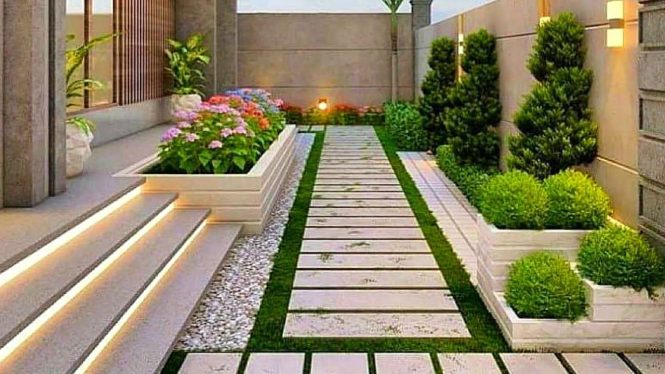

Landscaping and exterior design go hand in hand to create stunning outdoor spaces. Imagine stepping onto your patio, surrounded by meticulously manicured lawns and flowering gardens, a perfect setting for relaxation and entertaining guests. This exquisite blend can significantly elevate the aesthetic value of your property, but it requires meticulous planning. This article delves into the intricacies of blending landscaping and exterior design to achieve an exquisite and functional outdoor environment. We’ll cover everything from initial planning and design to practical considerations and execution strategies.
The Foundation: Defining Your Vision and Goals
Understanding Your Needs
Before embarking on a landscaping and exterior design project, carefully consider your needs and preferences. What are your primary goals? Do you want a tranquil retreat for relaxation, a lively space for entertaining, or a combination of both? Consider your lifestyle, how you use your outdoor space, and what activities you enjoy. Do you entertain frequently? Do you have children or pets? These factors will heavily influence your choices.
Design Concepts: Blending Aesthetics and Functionality
Exploring Design Styles
Different design styles offer varying aesthetic appeals and functionality. Contemporary designs often emphasize clean lines and geometric shapes, while traditional styles typically incorporate classic elements. Consider the architectural style of your home when choosing a design. For example, a craftsman-style home would benefit from a landscape that embodies rustic elegance. A modern home, on the other hand, might look better with sleek lines and minimal elements.
Hardscaping: Creating Structure and Functionality
Paving Options
Pathways, patios, and driveways form the backbone of your hardscaping plan. Choose materials that complement your design aesthetic. Natural stone, concrete, brick, or pavers each evoke a different atmosphere. Consider durability and maintenance requirements when selecting materials. For instance, concrete might be less susceptible to damage than natural stone, but it requires more upkeep.
Softscaping: Adding Life and Vibrancy
Selecting the Right Plants
Greenery and plants bring life and vibrancy to your landscaping. Choose plants native to your climate to ensure their long-term health and resilience. Consider plant sizes and placement to avoid overcrowding or blocking sunlight. Research the needs of various plants to guarantee they thrive in your specific environment. Adding native plants can contribute to local biodiversity and support local ecosystems.
Integration of Elements: Creating a Cohesive Design
Bringing it All Together
After careful consideration of hardscaping and softscaping elements, ensure a harmonious integration of all components into the overall design. Consider the color palettes and textures of various materials to create a visually pleasing effect. Incorporate lighting and water features to add ambiance and create focal points. By considering these aspects, you’ll be able to create a truly stunning outdoor space.
What are the common mistakes to avoid when designing a landscape?
Common landscaping mistakes often arise from neglecting proper planning and research. Not considering the natural environment, overlooking material maintenance, or failing to maintain consistent design themes are frequent pitfalls. For example, selecting plants that aren’t suited to your climate can lead to unnecessary stress and potential failure. Carefully consider your home’s architectural style, your preferences, and the practicalities of maintenance when designing your landscape.
FAQs
What are the key considerations for landscape design?
Key considerations for landscape design encompass factors like your home’s architectural style, your lifestyle preferences, and the prevailing climate conditions. A well-planned design harmonizes functionality with visual appeal. Consider how you’ll use your outdoor space—for relaxation, entertaining, or play. The climate dictates plant choices for optimal health and resilience. The architectural style of your home will further guide design aesthetics and material choices.
In conclusion, harmonizing landscaping and exterior design creates a cohesive and visually appealing outdoor space. By carefully considering the elements discussed, homeowners can achieve an aesthetically pleasing and functional environment. Our next step is to encourage you to schedule a free consultation with our expert designers. They can help you bring your vision to life and transform your home’s exterior into a captivating oasis.