Understanding exterior design styles is paramount for homeowners and architects seeking to create visually appealing and functional properties. Exterior design styles play a significant role in shaping a home’s identity and influencing its overall aesthetic appeal. A well-designed exterior enhances curb appeal, boosts property value, and reflects the homeowner’s personality. However, navigating the diverse range of exterior design styles can be daunting for many. This article aims to demystify the process, offering a comprehensive guide to understanding various exterior design styles, providing practical advice, and empowering you to make informed decisions. The structure of this article will take you through an exploration of different styles, followed by tips and tricks, and ending with a section to help you further research and develop your own aesthetic.
Exploring Different Exterior Design Styles
Modern Exterior Design
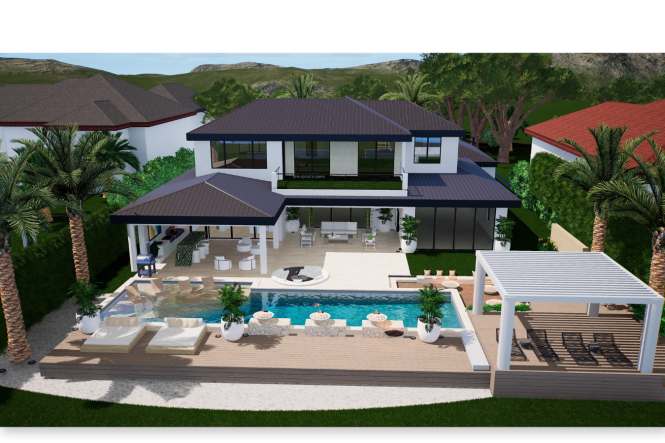
Modern exterior design emphasizes clean lines, minimal ornamentation, and a focus on functionality. Large expanses of glass, flat roofs, and geometric shapes are common features. This style often utilizes a limited color palette, prioritizing neutral tones like greys, whites, and blacks. Think sleek structures that maximize natural light, often utilizing modern materials like concrete and steel. An example of modern design is the iconic glass-fronted homes found in modern architecture. These homes effectively leverage light, which is a major strength of the design style. Another key characteristic is the use of open floor plans, which allows for easy flow between interior and exterior spaces. They prioritize integration with nature, using large windows and outdoor terraces to extend living space and create a seamless connection between indoor and outdoor environments. Many modern homes have a minimalist approach to landscaping, preferring clean, geometrically-shaped gardens and outdoor spaces that complement the home’s architectural aesthetic.
Traditional Exterior Design
Traditional exterior design draws inspiration from historical styles, often incorporating elements like symmetrical facades, classical columns, and intricate details. This style features craftsmanship, and the use of natural materials, like wood and stone, often in rich colors. These elements contribute to a sense of permanence and timeless appeal. Examples of traditional exterior design include homes with gable roofs, ornate trim work, and exposed brick walls. Traditional styles are often associated with a sense of grandeur and history, offering an elegant and sophisticated look for homes. They often include large windows and wide porches, designed to provide comfortable outdoor living spaces. Consider a Tudor style home, replete with half-timbering and steeply pitched roofs, or a Colonial design characterized by symmetry and decorative elements.
Factors Influencing Exterior Design Styles
Regional Climate and Geography
The prevailing climate and geographical characteristics significantly influence exterior design styles. For example, homes in cold climates tend to have thicker walls and insulated materials to retain heat, while homes in hot climates often feature wide eaves and large windows to maximize natural ventilation. The architectural designs of regions with strong winds will differ from those with moderate weather conditions. In regions with heavy snowfall, homes are built with pitched roofs to facilitate snow runoff and prevent structural damage.
Architectural Preferences
Architectural preferences are another significant factor. Homeowners may have a clear preference for a particular style, be it modern, traditional, or a blend of different styles. Their aesthetic preferences heavily impact design choices. These preferences manifest in materials, colors, and ornamentation, reflecting their unique personalities and tastes. The style should also consider the overall scale and proportion of the home in relation to its surroundings. A small home, for example, might be overwhelmed by a large, elaborate design.
Personal Aesthetics and Lifestyle
Personal aesthetics and lifestyle preferences also play a crucial role. A homeowner’s personal taste will guide the exterior design choices to reflect their lifestyle and preferences. For example, a homeowner with an active lifestyle might prefer a home with a large deck or patio for entertaining and outdoor recreation. A homeowner who values privacy might opt for landscaping elements or architectural features that create seclusion. This consideration is vital for creating a space that feels uniquely personal.
Choosing the Right Exterior Design Style
Evaluating Your Needs and Preferences
Before choosing a particular exterior design style, thoroughly assess your needs and preferences. Consider the desired level of maintenance, the available budget, and the long-term plans for the property. Consider how the style will reflect your personality and align with your lifestyle. Are you seeking a bold and contemporary design or a more traditional and classic look? These considerations will help determine the style that best suits your needs and preferences.
Considerations for Different Homes
Different types of homes lend themselves to specific exterior design styles better than others. A modern bungalow, for instance, might be enhanced by a sleek modern style, while a historic Victorian home benefits from traditional architectural elements. The goal is a cohesive design. Understanding these different approaches is vital to create a home that enhances its surroundings, rather than detracts from them.
Integrating Design with Landscaping
Complementary landscaping is crucial to the overall exterior aesthetic. The choice of plants, trees, and other landscaping elements should enhance the architectural style of the home. The landscaping can accentuate the home’s architectural features and provide a natural backdrop. Professional landscaping consultations can help to ensure cohesion and enhance the curb appeal of your home.
Benefits of Understanding Exterior Design Styles
Enhancing Curb Appeal and Property Value
A well-chosen exterior design style significantly enhances the curb appeal of a property and, in turn, its market value. A visually appealing home attracts buyers or tenants and sets a positive impression. For homeowners looking to sell or rent, this is an important factor. A carefully planned aesthetic can directly impact the perception of the property.
Reflecting Personal Style and Lifestyle
Choosing the right exterior style allows homeowners to express their personal style and lifestyle preferences. The design can showcase their unique taste and values. It reflects a commitment to the property and contributes to the homeowner’s sense of accomplishment and satisfaction with their living space.
Creating a Functional and Comfortable Outdoor Environment
Design styles should also ensure the outdoor environment is functional and comfortable for everyday use. Whether it is creating outdoor spaces for relaxation, entertaining, or gardening, the design must take into account the needs of the inhabitants.
Conclusion (Summarization and Next Steps):
Frequently Asked Questions (FAQ)
Further Resources
Additional Tips and Tricks
In conclusion, understanding exterior design styles is crucial for homeowners and architects alike. By carefully considering factors like regional climate, architectural preferences, and personal aesthetics, you can create a stunning and functional exterior. This knowledge empowers homeowners to make informed choices that enhance their properties and boost curb appeal. Furthermore, exploring different styles broadens one’s architectural appreciation, leading to better design decisions. For those seeking to design or renovate, consider consulting with an experienced architect or designer for personalized advice tailored to their specific needs. This could be the first step toward creating a dream exterior!