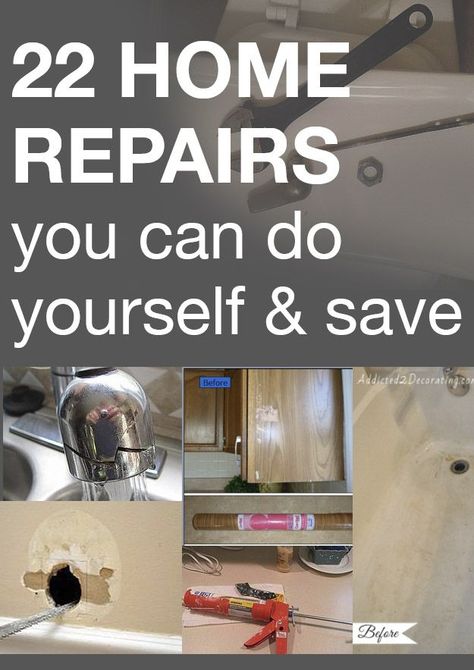

DIY wall repairs are a fantastic way to tackle home improvement projects on a budget and enhance the aesthetic appeal of your living spaces. Whether you’re dealing with minor cracks, dents, or more significant damage, this comprehensive guide will equip you with the essential DIY wall repair ideas and techniques. Many homeowners face the challenge of dealing with damaged walls and often hesitate to address them due to perceived complexity or expense. This guide aims to alleviate those anxieties by providing clear, actionable steps for tackling DIY wall repair projects, from simple fixes to more complex repairs. This article will cover everything you need to know, from initial assessments and material selection to hands-on repair methods for various wall types, including drywall and plaster, to ensure your project is a success. Let’s embark on this DIY adventure!
Assessing the Damage: Identifying the Problem
Initial Inspection
Before diving into any repair work, careful assessment is crucial. Take your time to identify the exact nature and extent of the damage. Look for cracks, holes, dents, or any other imperfections. Take photos of the damage, noting the location and severity. This documentation will be invaluable for choosing the correct repair methods and materials. For more extensive damage, consult with a professional or refer to the manufacturer’s instructions to ensure proper application. Consider the wall type (drywall, plaster, etc.) when evaluating the damage. Different materials may require different repair strategies. Don’t underestimate the importance of proper assessment in ensuring a successful DIY wall repair project. A thorough inspection helps ensure you select the correct tools and materials, minimizing the chances of costly mistakes. It also allows you to gauge your ability to handle the job accurately.
Choosing the Right Materials
Essential Tools and Supplies
Selecting the right materials is fundamental to a successful DIY wall repair. The appropriate materials directly impact the longevity and aesthetic appeal of the repaired area. For drywall repairs, you’ll need drywall patches, joint compound, sandpaper, and a putty knife. For plaster repairs, specialized plaster compounds and tools might be necessary. When purchasing materials, look for brands known for their quality and durability. Also, consider factors like ease of application and finish blending. Read product descriptions carefully and pay close attention to application instructions to ensure optimal results. Consider the size and type of damage to ensure the right tools and materials to help you handle the problem quickly and effectively. This step will also affect the cost of your project and the time it takes to complete it.
Repairing Minor Damage
Patching Small Holes and Cracks
Addressing minor imperfections, such as small holes or cracks, is often straightforward. This is where a thorough assessment of the damage really pays off. Start by cleaning the area around the damage, removing loose debris or dust. If the hole is quite small, a drywall patch or putty may suffice, followed by sanding to smooth the area. For slightly larger holes, use a drywall patch and apply joint compound in thin layers, allowing each layer to dry completely before sanding. Consistency in applying joint compound is key to a seamless finish. Proper sanding techniques are also crucial to ensure a smooth and professional-looking repair, minimizing any noticeable discrepancies. This is an effective strategy for quickly addressing minor DIY wall damage, saving time and resources, and improving the overall look of your walls. Consistency and attention to detail will make all the difference in this repair.
Repairing Larger Holes
More Complex Repairs
Larger holes or deep dents may require more extensive repairs. Depending on the size and depth of the hole, you’ll likely need to use a combination of patching techniques and joint compound. For more significant holes, consider replacing the damaged section of drywall with a new piece. Use drywall screws to secure the new section, then apply joint compound and sand to achieve a smooth finish. Before applying the joint compound, ensure the wall surface is clean and dry to create a strong bond. Remember to follow manufacturer instructions for the specific type of joint compound you are using for optimum results. This part requires more meticulous attention to detail but can result in a significant improvement in the overall appearance of the wall.
Finishing Touches
Ensuring a Smooth and Professional Look
After completing the patching and filling work, the finishing touches are crucial to creating a seamless and visually appealing repair. Use fine-grit sandpaper to thoroughly sand the area to blend the patch with the surrounding wall. This is where attention to detail is key. Use a high-quality finishing compound to create a smooth surface. Sand the compound down again to a smooth finish. If necessary, use a touch-up paint to match the existing wall color for complete integration. Maintaining uniformity in the entire process is a critical step toward ensuring an effective DIY wall repair project. A proper blend between the repaired and existing surfaces will give a professional outcome. By paying attention to finishing details, you can achieve a truly impressive DIY wall repair outcome.
How do I prevent further wall damage?
Are there any DIY wall repair techniques that are unsuitable for certain wall types?
What steps should I take if the damage is too extensive for a DIY repair?
What are some common causes of wall damage?
In conclusion, DIY wall repairs are achievable and rewarding, offering homeowners the chance to save money and express their creativity. By following the step-by-step guides and tips outlined in this article, you can tackle various wall imperfections with confidence. Remember to prioritize safety, choose appropriate materials, and don’t hesitate to seek professional help when necessary. With the right approach, you can transform your walls into a testament to your DIY prowess! Ready to tackle your next DIY wall repair project? Visit our website for more resources and inspiration!