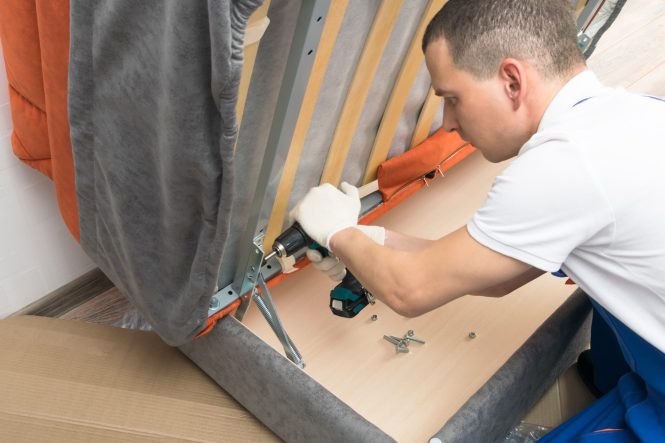

Living Room Furniture Repairs are a crucial aspect of maintaining a comfortable and aesthetically pleasing home. A worn-out or damaged sofa, a chipped coffee table, or a broken chair can instantly diminish the ambiance of your living room. Luckily, repairing living room furniture isn’t always a costly or complicated endeavor. This comprehensive guide will walk you through the process of repairing your living room furniture, from basic DIY fixes to professional interventions. We’ll explore the common issues, discuss cost-effective solutions, and outline when to call in the experts. We’ll also cover simple maintenance tips to help prevent further damage.
Identifying Common Living Room Furniture Issues
Understanding Damage Types
Damage to furniture can vary significantly, from minor scratches and dents to more substantial problems like broken legs, torn upholstery, or malfunctioning mechanisms. Knowing the specific type of damage is critical for determining the appropriate repair approach. For example, a small scratch on a wooden table might only need some touch-up paint, while a broken leg on a sofa will need more substantial repairs. Often, assessing the damage will tell you whether you are comfortable taking on the repair yourself or if you need a professional.
Diagnosing Underlying Issues
Sometimes, the apparent damage is a symptom of a larger issue. A wobbly table might indicate loose screws or a damaged base. A squeaking chair might be due to loose hinges or worn-out rollers. Identifying the root cause is key to preventing the problem from recurring. A professional assessment might be necessary to pinpoint the true cause of the issue and potentially uncover underlying structural problems. Be thorough and pay attention to detail when diagnosing, as a seemingly minor problem could have a complex cause and a simple DIY repair solution might not be enough.
DIY Living Room Furniture Repair Solutions
Simple Fixes for Minor Damage
Many minor repairs can be tackled by homeowners without specialized tools or expertise. For example, minor scratches can often be concealed with touch-up paint or furniture repair markers. Loose screws or joints can be tightened with the right tools. If you have a sofa with torn upholstery, you may be able to sew or patch the damage using simple techniques. However, for complex repairs that might affect the integrity of the piece, seek professional help. Don’t underestimate the potential for DIY solutions, however! Sometimes, a little elbow grease and the right knowledge can save you a lot of money.
Professional Furniture Repair Services
When to Call in the Experts
While many minor repairs can be handled at home, there are times when professional assistance is crucial. Complex repairs involving structural elements, intricate mechanisms, or specific materials might require expertise. A professional assessment can determine if significant structural or upholstery damage has occurred, which may not be clear until an expert is on-site. For example, a damaged recliner mechanism or a sofa with extensive water damage. Also, if the damage is significant, seeking professional assistance to avoid potential further damage is always a good idea.
Living Room Furniture Repair Costs
Assessing Repair Budget
The cost of repairing living room furniture can vary considerably, depending on the extent of damage, the materials used, and the complexity of the repair. Minor repairs like a scratched surface or loose screws will likely be more affordable, but extensive repairs requiring extensive materials or specialized techniques can be expensive. It’s always a good idea to get multiple quotes from different repair services and ask about warranties for the work. Consider creating a budget beforehand to help manage expectations.
Preventative Maintenance Tips
Protecting Your Furniture from Damage
Preventing damage is often more economical than repairing it later. Regular cleaning and dusting, proper storage during moving, and using protective coverings when needed can save you money in the long run. For example, using furniture pads when placing heavy items on a table can protect it from scratches or dents. Ensure that your living room furniture is positioned in a way that minimizes contact with direct sunlight or heat sources, which can fade or damage the materials.
What are some common causes of living room furniture damage?
Common causes of living room furniture damage include wear and tear from everyday use, accidents like spills or drops, inadequate storage and movement, and natural environmental factors like temperature changes and humidity. Sometimes, furniture components are not well-made and cause breakage from minor force or stress, while in other cases, the furniture may be positioned or used inappropriately.
Can I repair my living room furniture myself?
Absolutely! Many minor repairs to living room furniture are easily handled by homeowners. However, for more significant issues, seeking professional help is recommended to avoid potential further damage. Consider the complexity of the repair and your own skills and comfort levels before you decide on a DIY approach.
How do I choose a reliable furniture repair service?
Look for services with positive reviews, experienced technicians, warranties, and competitive pricing. Check their experience levels and licensing credentials, and ideally, get recommendations from friends or family who have used similar services in the past.
How can I prevent further damage to my living room furniture?
Routine maintenance such as cleaning, dusting, and inspecting the furniture for potential issues is very important. Using protective coverings, minimizing contact with sharp objects, and properly storing items on or near the furniture can help maintain its condition and longevity.
Frequently Asked Questions
How much does it cost to repair a damaged sofa?
The cost of repairing a damaged sofa varies greatly based on the extent of the damage, the type of fabric or material, and the complexity of the repair. Minor tears or stains might be relatively inexpensive to fix, while more extensive repairs involving frame damage or internal mechanism repairs could be more significant. Getting quotes from several repair professionals is a good practice for determining the most affordable option. Don’t forget to factor in the cost of materials as well when discussing potential solutions.
In conclusion, repairing your living room furniture is a worthwhile investment that can save you money and protect your belongings. By understanding the different types of repairs, utilizing proper tools, and seeking professional help when necessary, you can maintain the beauty and functionality of your living room furniture for years to come. Don’t hesitate to contact a reputable furniture repair service for a free quote or schedule an appointment. Your living room will thank you!