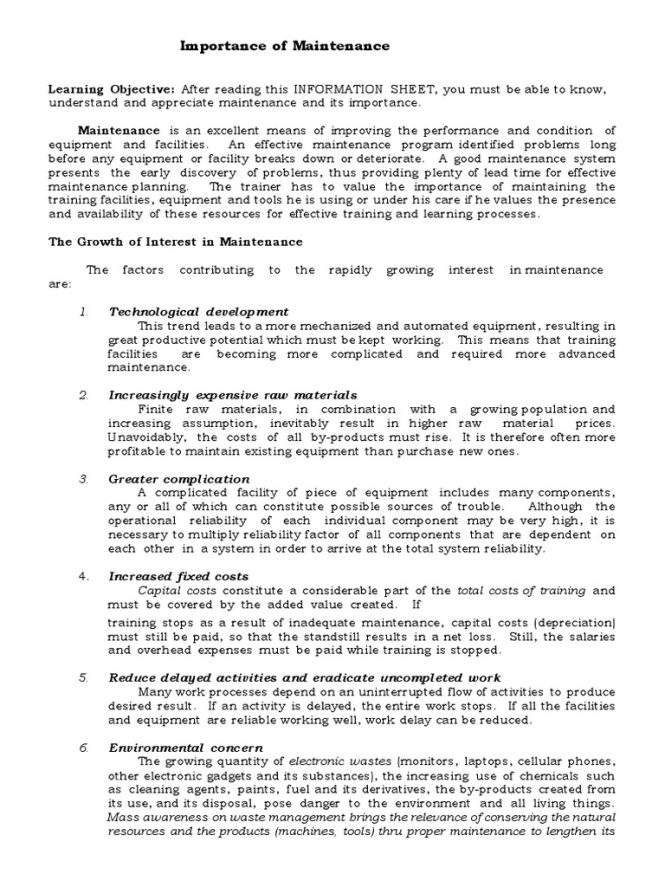
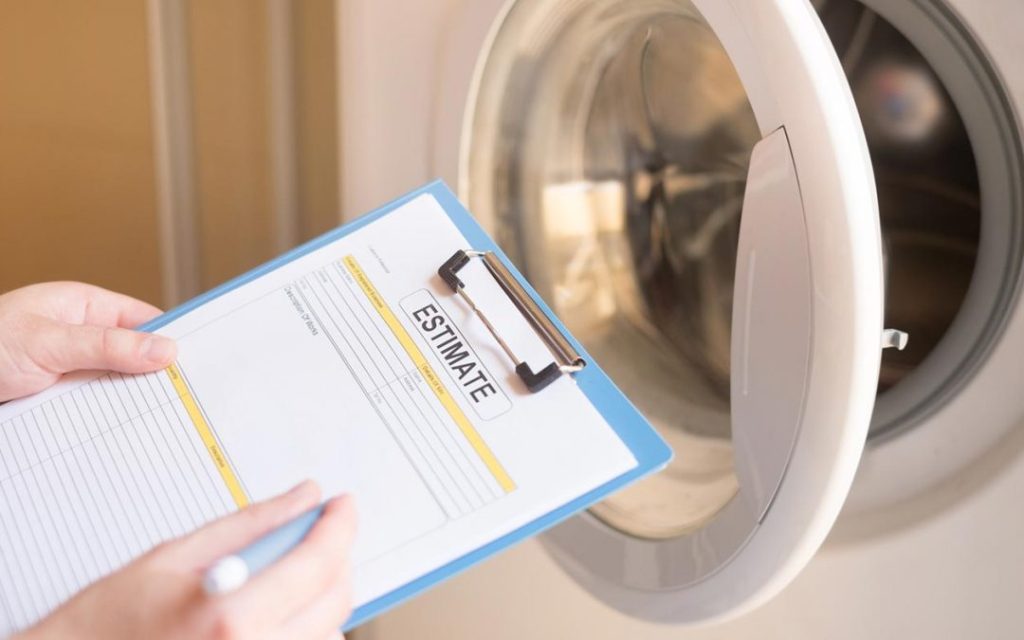
Regular maintenance is the cornerstone of asset longevity and optimal performance. Imagine a high-performance sports car that’s never serviced—it will quickly lose its power and reliability, ultimately leading to costly repairs and potential safety hazards. This principle applies to virtually everything, from complex machinery to simple household appliances. This article will delve into the critical role of regular maintenance and its impact on various aspects of our lives, addressing common misconceptions, and equipping you with practical strategies to implement it effectively.
Understanding the Fundamentals of Regular Maintenance
Defining Regular Maintenance
Regular maintenance encompasses the proactive care and upkeep of equipment, machinery, or assets to prevent unexpected breakdowns and maximize operational efficiency. It involves a systematic approach to inspection, cleaning, lubrication, adjustment, and repair, all performed at planned intervals to ensure smooth functionality. This proactive approach contrasts sharply with reactive maintenance, where problems are addressed only after they arise, often leading to costly repairs and downtime. A well-defined maintenance schedule should consider the specific needs of each asset, be it industrial equipment, personal vehicles, or even household appliances.
The Importance of Prevention over Cure
Proactive maintenance focuses on preventing issues before they occur, which is significantly more cost-effective than handling them reactively. By addressing potential problems early, you not only save money on repair bills but also minimize the risk of serious equipment failures. This proactive approach also leads to increased operational efficiency, improved safety standards, and enhanced longevity of the assets.
Optimizing Asset Performance through Routine Checks
Regular Inspections: The Foundation of Proactive Maintenance
Regular inspections are the foundation of any effective maintenance program. This involves a meticulous visual and functional assessment of the asset, looking for any signs of wear, tear, or damage. Visual inspections should include close examination of all moving parts, mechanical connections, electrical components, and structural integrity. This practice allows you to catch issues early, preventing small problems from escalating into major failures. A comprehensive inspection checklist is essential for ensuring that nothing is overlooked. For instance, a routine car inspection will flag issues like low tire pressure or uneven brake pad wear. A well-maintained car will save you from expensive future repairs.
The Role of Lubrication and Cleaning in Maintenance
Lubrication is essential for reducing friction and wear in moving parts. Proper lubrication prevents premature wear and tear, ensuring smooth operation and extending equipment life. A properly lubricated machine will work efficiently for years, whereas a poorly maintained one may quickly fail. Cleaning is equally important to remove contaminants and debris, preventing blockages and corrosion. A clean environment leads to better performance and prolongs the lifespan of the asset.
Implementing Effective Maintenance Schedules
Developing a Comprehensive Maintenance Plan
Creating a structured maintenance plan is crucial for effective regular maintenance. This plan should include specific tasks, required tools, timeframes, and responsible personnel. A well-structured plan ensures that all aspects of maintenance are addressed efficiently. Consider factors like usage patterns, environmental conditions, and potential risks when creating your maintenance schedule. If you run a factory, developing a schedule for machinery maintenance will improve productivity. A documented maintenance log should be kept, including details of the maintenance activities performed, any issues observed, and the time taken.
Incorporating Predictive Maintenance Techniques
Predictive maintenance leverages data analytics to anticipate potential equipment failures before they occur. By monitoring machine vibrations, temperature, and other metrics, technicians can identify early warning signs of problems, allowing for proactive interventions. This proactive approach can prevent costly breakdowns and minimize downtime. For example, in manufacturing facilities, sophisticated sensors track machine performance and alert technicians to potential problems before they cause a serious malfunction. Using data to forecast machine failure helps reduce the frequency of costly breakdowns.
Addressing Common Challenges in Maintenance Programs
Overcoming Budgetary Constraints
Implementing a regular maintenance program may require initial investment in equipment, training, and spare parts. However, the long-term cost savings of preventing breakdowns far outweigh the initial expenses. A detailed breakdown of costs, return on investment, and potential savings should be considered to make the best decisions. Look for opportunities to optimize your maintenance budget, such as purchasing high-quality, durable equipment, and sourcing cost-effective maintenance supplies.
Ensuring Staff Competence
Regular maintenance often requires specialized knowledge and skills. Investing in proper training and certification is crucial for your team to effectively carry out their tasks. Hiring qualified technicians and empowering them with the right tools and knowledge is critical for maintaining quality standards. Regular training sessions and workshops will help your team stay ahead of the curve in the ever-evolving world of maintenance.
Frequently Asked Questions
What are the key benefits of a regular maintenance program?
Regular maintenance significantly improves asset longevity, optimizes performance, reduces the likelihood of unexpected breakdowns, mitigates maintenance costs, and enhances safety. This proactive approach avoids costly repairs by addressing minor issues before they escalate. By implementing a well-defined schedule, you can also reduce downtime and increase operational efficiency.
How can I determine the appropriate maintenance schedule for my equipment?
The optimal maintenance schedule depends on various factors, including the type of equipment, its usage frequency, environmental conditions, and manufacturer recommendations. A detailed assessment of these factors will provide valuable insight into the ideal frequency and types of maintenance tasks needed. Consulting with industry professionals, manufacturers’ manuals, or specialized maintenance providers can help create a tailored and effective maintenance schedule.
In conclusion, regular maintenance is crucial for the longevity and optimal performance of any asset, whether it’s a vehicle, machine, or even your health. By understanding the importance of prevention, proactively addressing potential issues, and investing in quality maintenance practices, you can significantly reduce costly repairs, enhance safety, and ultimately maximize the return on your investment. Schedule a maintenance check today and experience the difference! Explore our resources for more insights on how to implement these practices in your daily life.